
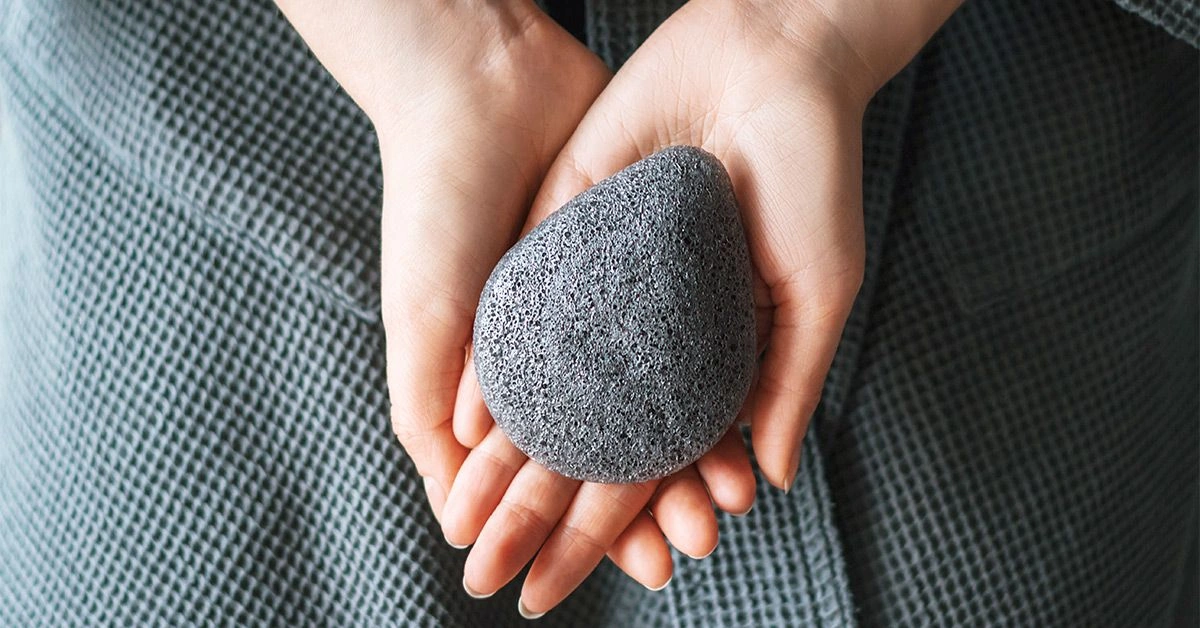
If you want a product that cleanses your skin softly without brushes, scrubs, or abrasive tools, a konjac facial sponge might be worth trying.
This straightforward skincare staple is crafted from konjac, a porous root vegetable native to Asia.
This piece will explore what a konjac sponge is, its advantages, how to use it, and the varieties suited to different skin needs.
What is a konjac sponge used for?
Konjac, also called glucomannan, is often recognized for its thickening qualities in foods and its place in weight-loss supplements.
But the same root is used to make delicate facial sponges safe for everyday use.
“A konjac facial sponge provides a physical method to exfoliate the skin and remove dead cells for a brighter, more radiant complexion,” said Dr. Rita Linkner of Spring Street Dermatology in New York City.
Though scientific data on its skincare effects is limited, a 2013 study indicated konjac could serve as a topical therapeutic for acne and support skin health.
What are the benefits?
If you’re curious why many people are opting for a root-based facial sponge, we asked specialists to weigh in on this natural beauty item.
Dr. Adarsh Vijay Mudgil, founder of Mudgil Dermatology in New York City, notes konjac facial sponges are primarily used for cleansing and gentle exfoliation.
Because konjac is very mild, its sponges are often recommended for clearing clogged pores, particularly for oily and acne-prone complexions. Beyond cleansing and exfoliation, Mudgil adds that a konjac facial sponge can also assist with makeup removal.
Since konjac sponges let you exfoliate without overstimulating the skin, they’re typically safe for most skin types. However, Linkner cautions those with very sensitive skin to steer clear.
“A konjac sponge can be quite exfoliating for someone with sensitive skin,” said Linkner.
For extremely sensitive skin, Linkner suggests opting for a medical-grade chemical exfoliant instead. Alpha hydroxy acids (AHAs), for example, are formulated to exfoliate gently and are generally tolerated by a wide range of skin types.
Are there different kinds of konjac sponges?
Every product labeled as a konjac facial sponge contains konjac. Their differences come from color and added components.
“The konjac facial sponge itself is consistent. The color variations — coming from different active ingredients — indicate various purposes,” said Mudgil.
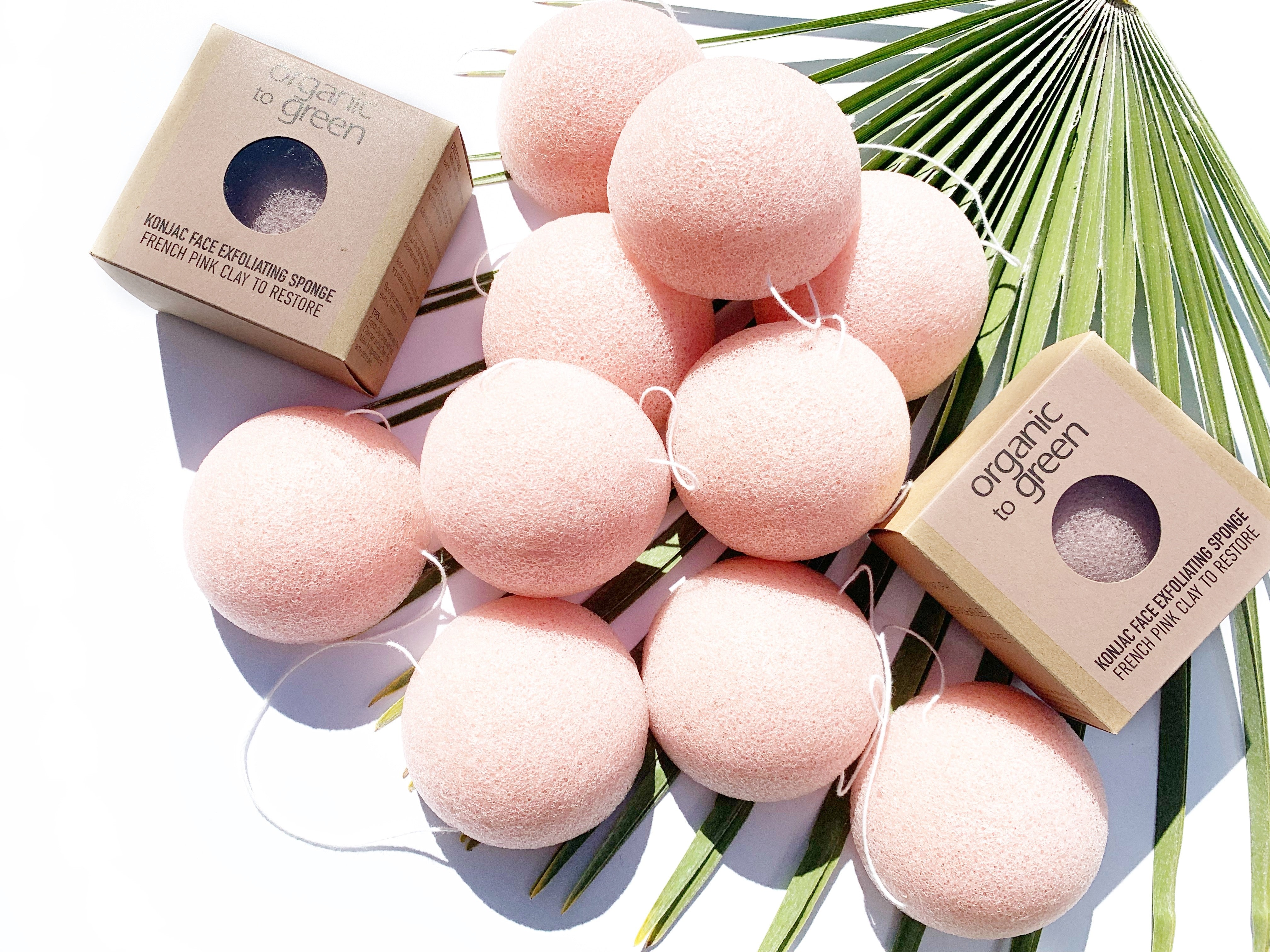
For instance, green sponges often include green tea, pink varieties contain pink clay, and gray or black sponges are infused with charcoal.
When selecting a sponge, your skin type should be your primary consideration.
- The plain konjac sponge, with no additives, is a good pick if you want something mild and nonabrasive.
- A konjac sponge with charcoal can help with acne. “For oily skin types, I favor ingredients like charcoal to detoxify and manage excess sebum, since charcoal has antibacterial qualities that may aid acne,” said Linkner.
- If your goal is a more youthful appearance, a pink clay konjac sponge might be preferable.
- For added hydration and a luminous look, a konjac sponge with red clay or oil could be beneficial, as red clay may boost circulation to the skin.
How do you use a konjac sponge?
Instructions
- Soak the sponge in warm water for 10 to 15 minutes to allow it to expand to full size.
- Once expanded, clean your face by moving the sponge in circular motions, as if giving your face a gentle massage.
- Begin at the center of your face and move outward and upward, taking care to avoid the eye area.
- You can use a konjac sponge alone or paired with a facial cleanser or soap.
Can you use it every day?
Yes — Mudgil says a konjac facial sponge can be used daily.
Replace your konjac sponge roughly every 4 weeks, depending on frequency of use.
If you use it very frequently, swap it out after about 3 weeks; if only used several times per week, you might extend its life to around 5 weeks.
How do you clean it?
One appealing feature of a konjac facial sponge is how simple it is to maintain. Still, there are a few basic steps to keep it in good condition.
“It’s important to squeeze all the excess water out of your konjac sponge after each use, so it doesn’t harbor bacteria,” said Linkner. After squeezing, hang it up to dry.
Dry it in a well-ventilated spot. Don’t be surprised if it starts to degrade — konjac is a fibrous root, so breakdown over time is normal.
Once a week, immerse the sponge in a bowl of boiling water for a couple of minutes to sanitize it.
Recommendations
- MY Konjac Sponge softens when soaked and includes activated bamboo charcoal, which may help draw out oil and cleanse pores to reduce acne and blackheads.
- The Neutripure Konjac Sponge Set includes five sponges infused with different mineral additives to help lift dirt, oil, blackheads, and dead skin. The colors correspond to each sponge’s ingredient — for example, black has charcoal and bamboo extract, yellow contains turmeric powder, green includes green tea extract, and purple features purple sweet potato.
- pureSOL Konjac Facial Sponge with charcoal and bamboo may assist with blackheads and breakouts by cleansing and absorbing excess sebum. This sponge also comes with a suction hook for easy hanging so it can dry in a ventilated spot.
- Beauty by Earth Konjac Facial Sponge includes two sponge choices to target different skin types. The white sponge is gentle and suitable for all skin types, while the black sponge is aimed at oily skin prone to acne or blackheads.
The bottom line
The konjac facial sponge — derived from an Asian root — is affordable, mild, and easy to use. It’s effective for cleansing and exfoliating most skin types, though it may be too abrasive for those with highly sensitive skin.
You can purchase a konjac sponge plain, or choose one enhanced with additives like green tea, charcoal, or pink clay to address specific skin concerns. You can also consider products that use tapioca in other skincare formulations if you’re exploring alternatives.
If you’re uncertain how your skin might react to a konjac facial sponge, consult your primary care physician or a dermatologist before use.






















Leave a Reply
You must be logged in to post a comment.