
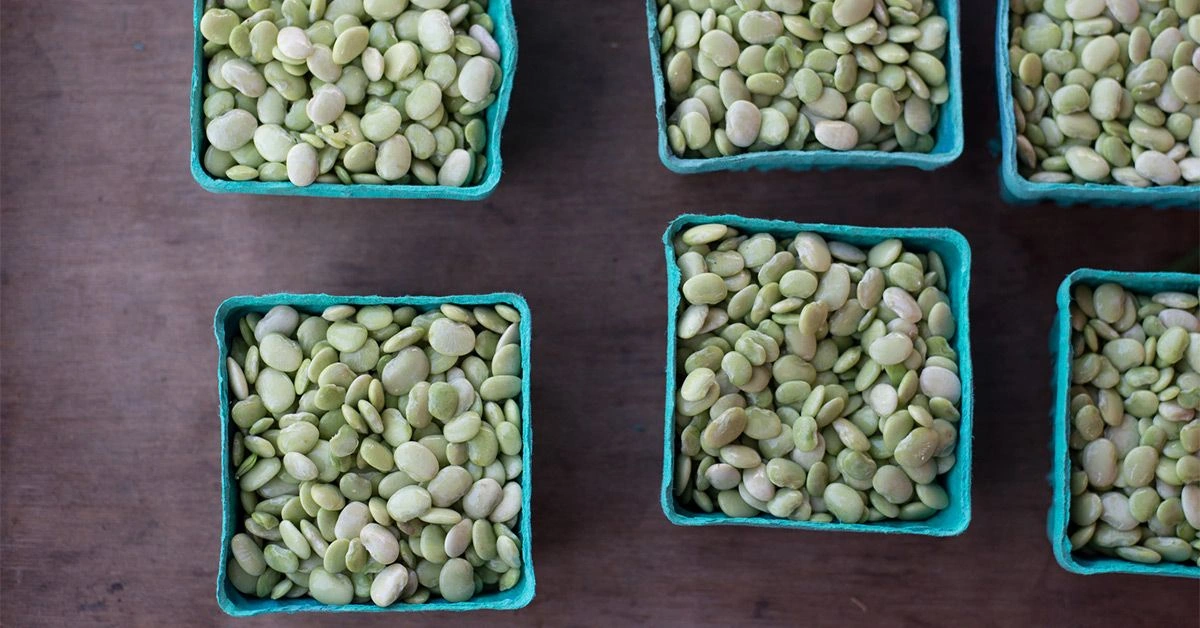
The lima bean is a legume prized for its subtle flavor, smooth texture, and distinctive hues that range from beige to green. It’s often called the butter bean, double bean, or wax bean.
You can consume lima beans when they’re young or fully mature. They come in several forms — dried, frozen, or canned.
Tasty and adaptable, lima beans are also nutrient-dense and have been associated with a variety of possible health perks. Eating these protein-rich legumes may contribute to:
- supporting healthy weight loss
- improving blood sugar regulation
- enhancing cardiovascular health
This article reviews the primary benefits and drawbacks of lima beans, plus tips for preparing them at home.
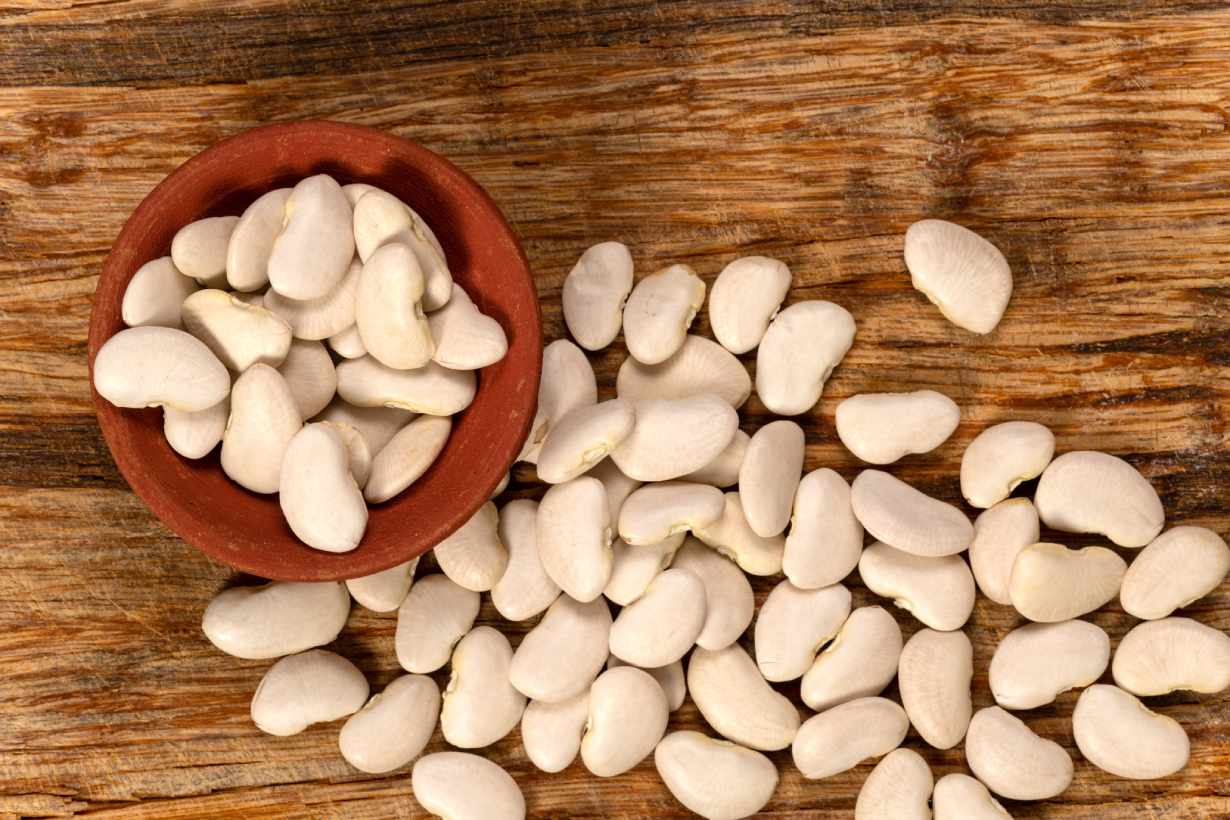
Nutrients in lima beans
Lima beans supply many essential nutrients, particularly fiber and a range of vitamins and minerals.
One cup (170 grams) of cooked lima beans provides (1):
- Calories: 209
- Protein: 12 grams
- Fat: 0.5 grams
- Carbs: 40 grams
- Fiber: 9 grams
- Manganese: 92% of the daily value (DV)
- Copper: 58% of the DV
- Magnesium: 30% of the DV
- Iron: 23% of the DV
- Potassium: 21% of the DV
- Thiamin: 20% of the DV
- Vitamin C: 19% of the DV
- Vitamin B6: 19% of the DV
- Phosphorus: 18% of the DV
Lima beans are particularly rich in manganese, a mineral that functions as an antioxidant and is important for metabolic processes (2).
They also supply notable amounts of copper, which supports immune function and cognitive health (3).
In addition, lima beans are a good source of magnesium, a mineral required for energy generation and DNA synthesis (4).
Summary: Lima beans offer fiber alongside micronutrients such as manganese, copper, and magnesium.
Health benefits of lima beans
Lima beans may deliver several noteworthy health advantages.
May help stabilize blood sugar
Some evidence indicates that incorporating lima beans into your meals could support better long-term blood sugar control.
Like many other legumes, lima beans have a low glycemic index, which reflects how much particular foods raise blood glucose (5, 6).
They’re also rich in fiber, which slows sugar absorption into the bloodstream and helps maintain steadier blood glucose (7).
A review of 18 studies found that legumes such as lima beans may lower fasting glucose levels and improve glycemic control for people with type 2 diabetes (8).
Moreover, a study of 3,349 participants observed that higher intake of legumes was associated with a reduced risk of developing type 2 diabetes (9).
May support heart health
With 9 grams of fiber per 1-cup (170-gram) portion, lima beans can be a valuable part of a heart-friendly diet (1).
They contain a considerable amount of soluble fiber, which dissolves in water to create a gel-like substance.
Soluble fiber has been linked to reductions in cholesterol, lower inflammation, and decreased blood pressure — all factors that reduce heart disease risk (10).
Additionally, lima beans contain antioxidants that help defend against oxidative stress and inflammation, supporting cardiovascular well-being (11, 12).
May aid weight loss
Because they’re substantial sources of both protein and fiber, lima beans may assist with weight loss when included in a calorie-controlled diet.
The protein in lima beans may be especially helpful. Some studies indicate that boosting protein intake can improve appetite regulation, increase satiety, and reduce cravings (13).
Likewise, fiber slows gastric emptying, promotes fullness, and can facilitate weight loss (14, 15).
Although direct research on lima beans is limited, several studies suggest that higher consumption of beans and legumes may be associated with greater weight loss and reduced body fat (16, 17).
Summary: Lima beans may support weight management, help regulate blood sugar, and contribute to cardiovascular health.
Potential downsides of lima beans
Though uncommon, allergies to legumes exist, and some people must avoid lima beans altogether (18, 19).
Like other beans, lima beans include antinutrients — substances that can reduce mineral absorption in the body (20, 21).
Raw lima beans also contain linamarin, a cyanogenic compound considered potentially toxic at high levels (22, 23).
Thankfully, cooking, soaking, and processing dramatically lower the amounts of these compounds, minimizing any harmful effects (24, 25, 26, 27).
In the United States, lima beans typically contain cyanide levels well below the regulated threshold of 90.9 mg per pound (200 mg per kg), which is under concentrations considered toxic to humans (28, 29).
Also note that lima beans are high in fiber. You should raise fiber intake gradually. A rapid increase can trigger digestive discomfort, including (30):
- gas
- bloating
- abdominal pain
For that reason, introduce fiber-rich foods slowly and stay well-hydrated to minimize unpleasant effects.
Summary: Some individuals may be allergic to lima beans. Raw lima beans contain antinutrients and linamarin, which are diminished through cooking, soaking, and processing. Rapidly increasing fiber intake may cause digestive issues.
How to cook lima beans
Lima beans are simple to prepare and commonly sold either dried or canned.
Canned lima beans are pre-cooked and can be used straight from the can. Dried lima beans require cooking before eating.
Before cooking dried beans, soak them in water overnight. This shortens cooking time and lowers the amount of antinutrients.
When you’re ready to cook dried lima beans, follow these steps:
- Rinse the beans.
- Combine 1 cup (170 grams) of lima beans with 4 cups (945 mL) of water and a pinch of salt in a pot.
- Bring to a boil, then reduce heat and simmer for 45–60 minutes, or until the beans are tender.
- Drain the beans before adding them to recipes.
Chefs often cook lima beans with broth, seasonings, and ham for a savory side dish.
You can also add lima beans to soups, stews, salads, and succotash — a classic dish that pairs lima beans with sweet corn.
Summary: Lima beans come canned or dried and can be incorporated into numerous dishes.
The bottom line
Lima beans are a legume with a mild, buttery flavor and creamy texture that suits many recipes.
They provide several key nutrients and may aid weight loss, help stabilize blood sugar, and support heart health.
However, they can contain antinutrients and linamarin, which may cause problems if consumed in large amounts.
Always soak raw or dried lima beans before cooking. Like other legumes, lima beans can be enjoyed in moderation as part of a balanced, healthy diet.
Just one thing
Try this today: A favorite use for lima beans is to substitute them for chickpeas in homemade hummus. Blend lima beans with tahini, olive oil, lemon juice, and your preferred herbs and spices for a delicious dip.





















Leave a Reply
You must be logged in to post a comment.