
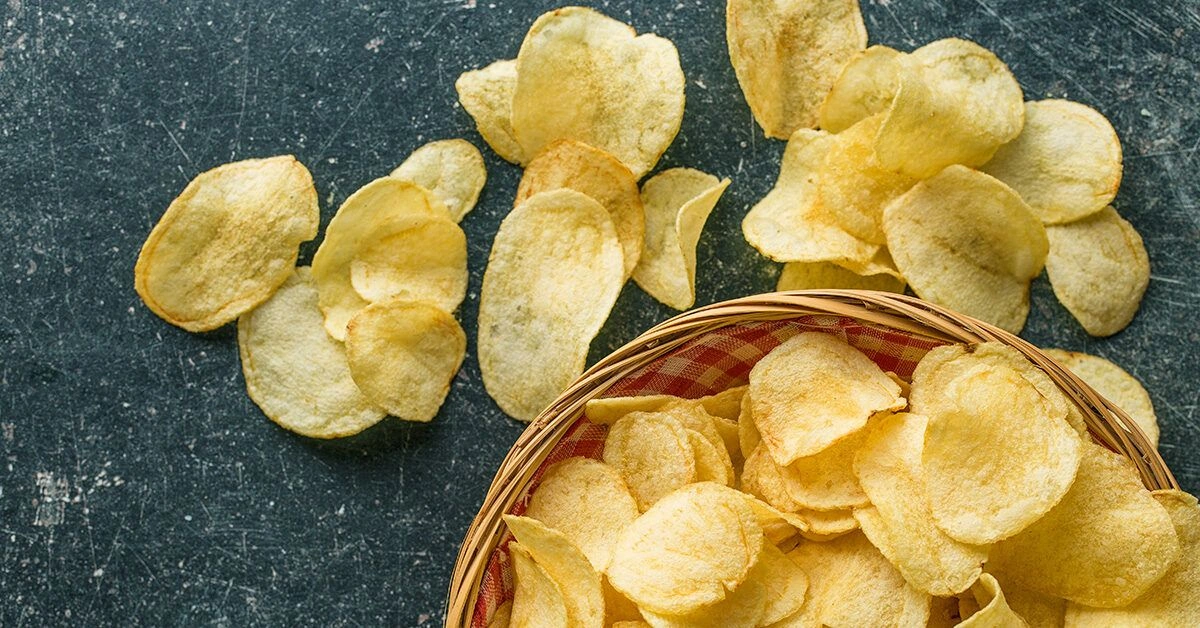
Many chip varieties — including corn chips, potato chips, and vegetable chips — can be gluten-free. Choose products labeled or certified gluten-free to reduce the risk of cross-contamination with gluten-containing foods.
Chips are a classic party snack thanks to their crunchy texture and savory saltiness. They’re easily served with dips, sauces, aioli, or hummus.
If you avoid gluten, you may be wondering which chips are safe to eat. Gluten-free choices are abundant, but it isn’t always obvious which products contain gluten-derived ingredients.
This article outlines which types of chips are typically gluten-free and offers practical shopping guidance.
:max_bytes(150000):strip_icc()/tortilla-chips-crop-4a0839fe4e8c4de7a43199536519af40.jpg)
A guide to gluten-free chips
Many chips are produced from naturally gluten-free grains or other plant-based ingredients that don’t contain gluten.
Still, if you need to avoid gluten for health reasons, seek out certified gluten-free products since cross-contact can occur when gluten-free chips are processed in facilities that also handle gluten-containing foods.
Below are several types of gluten-free chips, followed by a short list of chips to avoid.
Corn-based tortilla chips
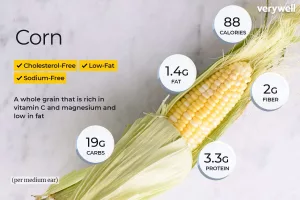
Corn tortilla chips are made from corn, a grain that is naturally free of gluten.
These chips are available in various hues — blue, yellow, and white — depending on the corn variety. Common ingredients include corn masa flour, whole-grain corn, ground corn, salt, and oil, though recipes vary.
Specific brands
- Late July Organic Sea Salt Corn Tortilla Chips. Late July’s tortilla chips use a short ingredient list: ground corn, sunflower oil, safflower oil (organic), and sea salt.
- Food Should Taste Good. The Blue Corn Tortilla Chips from Food Should Taste Good are certified gluten-free and are primarily made from ground corn, with additions like quinoa, flaxseed, and brown rice flour.
- Frito-Lay. This manufacturer produces well-known tortilla snacks such as Doritos and Tostitos, which are commonly gluten-free. Corn or cornmeal are typical main ingredients.
Shop for these chips online
- Late July Organic Sea Salt Corn Tortilla Chips
- Food Should Taste Good Blue Corn Tortilla Chips
- Doritos
- Tostitos
Potato chips
There are plenty of gluten-free options among potato chips because potatoes themselves are naturally gluten-free.
Common ingredients include potatoes, sunflower oil, safflower oil, and salt.
Specific brands
- Kettle Brand. These well-known potato chips come in many distinct flavors, such as farmstand ranch, and are certified gluten-free.
- Late July Organic Potato Chips. Thin, crunchy chips with few ingredients and available in several flavors; they’re all certified gluten-free.
- Frito-Lay. Brands like Ruffles and Lay’s are produced by Frito-Lay and are stated to meet FDA gluten-free guidelines. Potatoes are the primary component.
Shop for these chips online
Veggie chips
Grocery stores now carry many types of vegetable-based chips. Some are made from root vegetables like cassava, sweet potato, beet, parsnip, carrot, yuca, and taro, while others come from plantain, banana, pea, or bean bases.
Vegetable chips often provide more fiber per serving than many traditional chips (1).
Specific brands
- Terra Original Sea Salt Vegetable Chips. Made from a varied mix of root vegetables, Terra chips are a dependable gluten-free option and usually have less sodium than many chips.
- Siete Grain-Free Tortilla Chips. With only five ingredients, Siete’s grain-free tortilla chips are primarily cassava flour and avocado oil and pair nicely with salsa or guacamole.
- Forager Project Organic Vegetable Chips Super Greens. These organic chips blend brown rice, white rice, sesame seeds, leafy greens, and amaranth for a unique option.
Shop for these chips online
- Terra Original Sea Salt Vegetable Chips
- Siete Grain-Free Tortilla Chips
- Forager Project Organic Vegetable Chips Super Greens
Gluten-containing chips
If you eat a gluten-free diet, avoid these chip types.
- Tortilla chips made from wheat flour
- Potato chips prepared with malt vinegar or wheat starch
- Multigrain chips that include whole wheat or barley
- Pita chips
Summary: Most potato, veggie, and corn tortilla chips are typically gluten-free, but it’s wise to look for a gluten-free seal for extra assurance. Avoid pita chips and any chips that include flour, whole wheat, wheat starch, or malt vinegar.
How to make sure your chips are gluten-free
1. Look for gluten-free labels on packaging
The FDA requires foods labeled gluten-free to contain less than 20 parts per million (ppm) of gluten. While this amount is considered safe for many people with gluten-related conditions, individual tolerance can differ (2).
Consequently, some brands pursue third-party gluten-free certification to demonstrate they meet or exceed FDA limits.
For instance, the Gluten-Free Certification Organization (GFCO) uses a 10 ppm threshold for certification, a stricter benchmark than the FDA’s (3).
These certifications are particularly useful for people who must avoid gluten for medical reasons. Look closely at packaging for certification marks, which can appear in prominent or subtle print.
2. Avoid gluten-containing ingredients
You may encounter chips without a gluten-free claim, so it helps to recognize ingredients that indicate gluten presence.
Chips that contain gluten often include wheat, barley, rye, or derivatives of these grains.
Wheat flour is common in pita chips and some tortilla chip varieties. Whole-grain chips may contain gluten-containing grains, and certain flavorings such as malt vinegar or wheat starch also include gluten (4, 5, 6).
Gluten-containing ingredients in chips
If a chip package lists any of the following ingredients, the chips are not gluten-free.
- wheat
- wheat starch
- wheat berries
- barley
- rye
- oats (naturally gluten-free but often cross-contaminated)
- einkorn wheat
- durum
- emmer
- farro
- farina
- semolina
- couscous
- spelt
- graham
- kamut
- triticale
- wheat germ
- brewer’s yeast
- phosphate flour
- malted barley flour
- malt flavoring
- malt vinegar
- malt extract
3. Know which ingredients are gluten-free
Provided they don’t include gluten-based additives, most corn chips, corn tortilla chips, potato chips, and vegetable chips are gluten-free since their core ingredients lack gluten.
Still, if you have a gluten-related condition, look for gluten-free certification to be safe.
Gluten-free ingredients in chips
Below are ingredients commonly found in gluten-free chips:
- corn
- potato
- soy
- rice
- millet
- teff
- maize
- amaranth
- cassava
- buckwheat
- sorghum
- tapioca
- quinoa
- chickpea
- beans
- seeds
Summary: Gluten-free certification ensures a food is safe for people avoiding gluten. If a product lacks certification, it helps to know which ingredients to check on the label.
Choosing a healthy gluten-free chip variety
Being gluten-free doesn’t automatically make chips healthy. Some products include unnecessary additives and high sodium levels.
Keep a few pointers in mind when picking gluten-free chips.
Opt for whole-food ingredients
Look for gluten-free chips with simple, recognizable ingredients like sea salt, potatoes, coconut flour, or avocado oil. Short ingredient lists reduce the chance of unwanted additives.
For example, you may want to avoid artificial colorants such as red dye. While more research is needed on synthetic food dyes, some studies suggest links to allergic responses (7).
Many gluten-free chips derive their color naturally from ingredients like blue corn, yellow corn, sweet potatoes, or beet juice, making it easy to skip synthetic dyes.
Consider sodium content
Packaged foods, including chips, contribute roughly 70% of the average person’s sodium intake. Excessive sodium consumption is associated with higher heart disease risk (8, 9).
Even gluten-free chips can be high in salt. For instance, a 1-ounce (28-gram) portion of Cheetos supplies about 11% of the Daily Value (DV) for sodium, whereas the same portion of Terra veggie chips offers roughly 1% (10, 11).
If you need a low-sodium diet, choose gluten-free chips that provide less than 5% of the DV per serving. Check the nutrition facts panel for this information (9).
Summary: Although free of gluten, some chips still contain additives or lots of salt. To pick healthier options, favor products with simple ingredients and inspect sodium levels if you’re limiting salt.
Gluten-free chip alternatives
Here are some crunchy, nutritious gluten-free snack alternatives.
Veggie-based snacks
- jicama sticks
- carrot sticks
- celery sticks
- water chestnuts
- cucumber slices
- kale chips
- plantain chips
- sweet potato chips
- carrot chips
- beet chips
- dried seaweed
- roasted chickpeas
- roasted edamame
- dried broccoli florets
- green pea crisps
- sugar snap peas
Grain-based snacks
- popcorn
- rice cakes
- gluten-free pretzels
High protein snacks
- almonds
- peanuts
- pistachios
- walnuts
- pumpkin seeds
Fruit-based snacks
- coconut chips
- freeze-dried strawberries
- apple slices
- pear slices
- dried apples
A basic overview of gluten
Gluten is a family of proteins naturally present in wheat, barley, and rye (4).
Foods made from these grains contain gluten. Oats are naturally gluten-free but are frequently contaminated during processing, so choose certified gluten-free oats if needed (12).
The word “gluten” comes from Latin for glue and helps give structure to baked goods. Gluten-free breads can be drier and crumblier than wheat breads because they lack that binding protein (13).
Gluten appears in bread, pasta, baked items, cereals, crackers, and many other products.
Although most people tolerate gluten without issue, those with gluten-related disorders must follow a gluten-free diet.
Which populations can’t eat gluten?
Approximately 5% of people worldwide have gluten-related disorders that can cause intestinal damage and digestive symptoms when gluten is consumed (4, 14, 15).
Milder symptoms include fatigue, bloating, diarrhea, and abdominal pain, while more severe consequences can involve osteoporosis, impaired growth, nutrient deficiencies, eye disease, and infertility (16).
Individuals with celiac disease and other gluten-related conditions must adhere to a gluten-free diet.
Summary: Gluten is a set of proteins found naturally in several grains. People with celiac disease or similar disorders react negatively to gluten and need to avoid it.
The bottom line
If you must follow a gluten-free diet for medical reasons, confirm that your snacks — including chips — don’t contain gluten.
Chips are often produced from naturally gluten-free ingredients such as corn, potatoes, and vegetables. However, some chips contain gluten-derived ingredients like wheat starch or malt vinegar, so always check labels and know which ingredients to avoid.
If you don’t have a gluten-related disorder, certified gluten-free labeling may be less essential.
Corn tortilla chips, most potato chips, and many vegetable chips are typically safe, but avoid pita chips. Snacks like sugar snap peas, walnuts, and apple slices are tasty, naturally gluten-free alternatives.
Just one thing
Try this today: Wondering about other nutritious chip choices? Read our article on the 8 best healthy chips to buy.














Leave a Reply
You must be logged in to post a comment.