
Discover powerful experiences and heartfelt words of encouragement from women navigating life with stage 4 breast cancer.

Editor’s note: This story was originally published on July 29, 2014, and has been periodically updated. The current publication date reflects a recent medical review.
For anyone searching for inspiration from the Longest HER2 breast cancer survivor stories or looking to understand what long-term survival with metastatic disease can look like, these personal reflections offer perspective, realism, and hope. Advances in targeted therapy and individualized treatment plans have reshaped outcomes, especially for people with HER2-positive disease, making conversations about survivorship more meaningful than ever.
Ann Silberman
“I’m sorry, but your breast cancer has spread to your liver.” Those may have been the exact words my oncologist used when he explained that I now had metastatic disease, but honestly, they’re a blur. What I vividly remember are the feelings: shock, disbelief, and an overwhelming sense of dread.
At that time, everything I thought I knew told me that metastatic cancer meant the end. In my mind, it was synonymous with a death sentence.
Metastasis — the outcome every woman with early stage cancer fears — became my reality just 4 months after finishing treatment. I kept asking myself, “How is this possible?” I had been stage 2A. No lymph nodes were involved. There had been very little to suggest that mets (metastasis) would define my future.
Eventually, I understood that “Why me?” is a question without an answer. It didn’t matter why. It was happening. My focus had to shift toward living as long and as fully as I could.
Metastatic cancer gradually changes every part of your life. First, it affects your physical health. Then it consumes your time, your career, and the future you once envisioned. Sometimes — painfully — it even alters relationships. Not everyone knows how to respond to a diagnosis of metastatic breast cancer, and some people quietly step away.
Yet something remarkable can also happen. In this unfamiliar world, you discover compassion from unexpected places. Friends step forward in ways you never anticipated. They send thoughtful notes, prepare meals, offer rides to appointments, and sit beside you during treatment. They laugh with you and hold you up when you can’t hold yourself steady.
You begin to see clearly who truly stands with you. Those are the people who matter. Their support strengthens you, and little by little, fear loosens its grip.
The years since my diagnosis have not been simple — but they have been years. No one, especially my doctor, ever placed an expiration date on my life. Progress remained the goal. Some chemotherapy regimens were effective for a time. Others were not. But we kept moving forward.
I lost my hair, yet I gained resilience. I felt gratitude when surgery successfully removed the cancerous portion of my liver, and heartbreak when cancer later reappeared. At times, I embraced the language of battle: I underwent gamma knife radiation like a warrior stepping back into the arena.
Fatigue often overtook me; I slept more than I ever imagined possible. But the waking moments became precious. The sound of my sons laughing or the hum of a hummingbird’s wings anchored me in the present.
Today, remarkably, I am cancer-free. Perjeta — a drug not yet available when I was first diagnosed — accomplished what seven chemotherapies, three surgeries, an ablation, and radiation could not. It restored a future I thought was gone. Stories like mine are often mentioned when discussing the Longest HER2 breast cancer survivor journeys, highlighting how modern HER2-targeted therapy has transformed outcomes.
If you’re wondering whether a diagnosis automatically determines your fate, you may find reassurance in learning more about Is HER2-positive breast cancer: a death sentence. Ongoing research and evolving treatment protocols continue to improve survival and quality of life.
When you live with metastatic cancer, the present moment becomes everything. The future is uncertain, and the past cannot be changed. Today is what we have. In truth, that’s the secret of life — for all of us.
Katherine O’Brien
I was diagnosed with metastatic breast cancer in 2009 at age 43. Unlike many people in the United States currently living with metastatic breast cancer — most of whom were previously treated for early stage disease — I was metastatic at the time of my initial diagnosis.
Coming to terms with that reality was incredibly difficult. Looking back, here are six lessons I wish I had understood from the beginning. My hope is that they support others newly diagnosed with metastatic breast cancer.
- Recognize that not all metastatic breast cancer is identical: My mother died from metastatic breast cancer in 1983 when I was 17. She lived 3 years with aggressive, widespread disease, and those years were extremely hard. I assumed my path would mirror hers. It did not. My bone mets have remained minimal and largely stable for 5 years. Treatments have evolved dramatically over three decades. I have never needed chemotherapy and will not consider it unless less toxic therapies stop working. Some individuals with low-volume bone-only disease can live well for many years. I am grateful to be among them.
- Your experience may be different from someone else’s: A stage 4 diagnosis does not automatically mean your life will be unrecognizable. I see my oncologist every other month, but I continue to work, travel, volunteer, and spend time with my family. Not everyone with metastatic breast cancer can say this — but don’t assume the worst about your own journey.
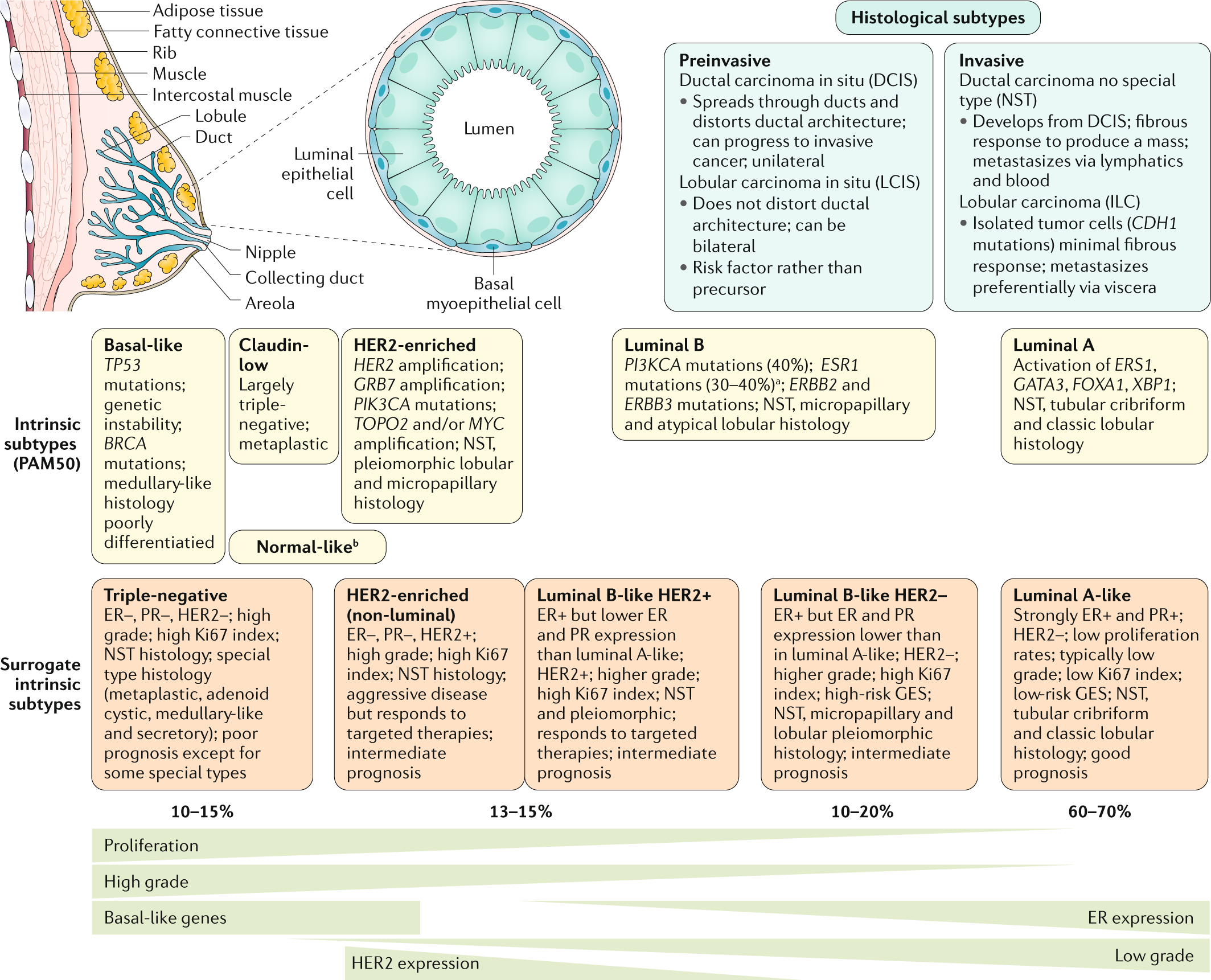
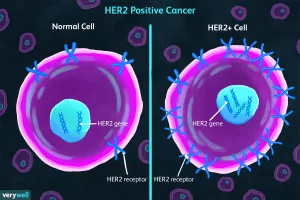
- The issue is the tissue: Your pathology report is central to determining treatment options. Factors such as age and prior therapies matter, but ER/PR and HER2 statuses guide decision-making. If you were previously treated for breast cancer, request a new biopsy when feasible. Tumor biology can change, and accurate receptor status is essential for selecting targeted therapies.
- Ask for support when you need it: If you had a headache, you would take aspirin. Emotional distress deserves the same attention. If anxiety or sadness becomes overwhelming, tell your doctor. Effective anti-anxiety medications and counseling services are available, and many cancer centers can connect you with mental health professionals.
- Seek community — in person or online: Here is a listing of in-person support groups across the United States and Canada. Online communities such as Breastcancer.org and Inspire host virtual meetups and discussion forums for those living with metastatic breast cancer. Organizations like Living Beyond Breast Cancer also offer annual conferences dedicated specifically to metastatic disease.
- Take life one day at a time: You can dwell on what has happened or what might happen, or you can embrace today for the gift that it is. Staying present can be a powerful coping strategy.
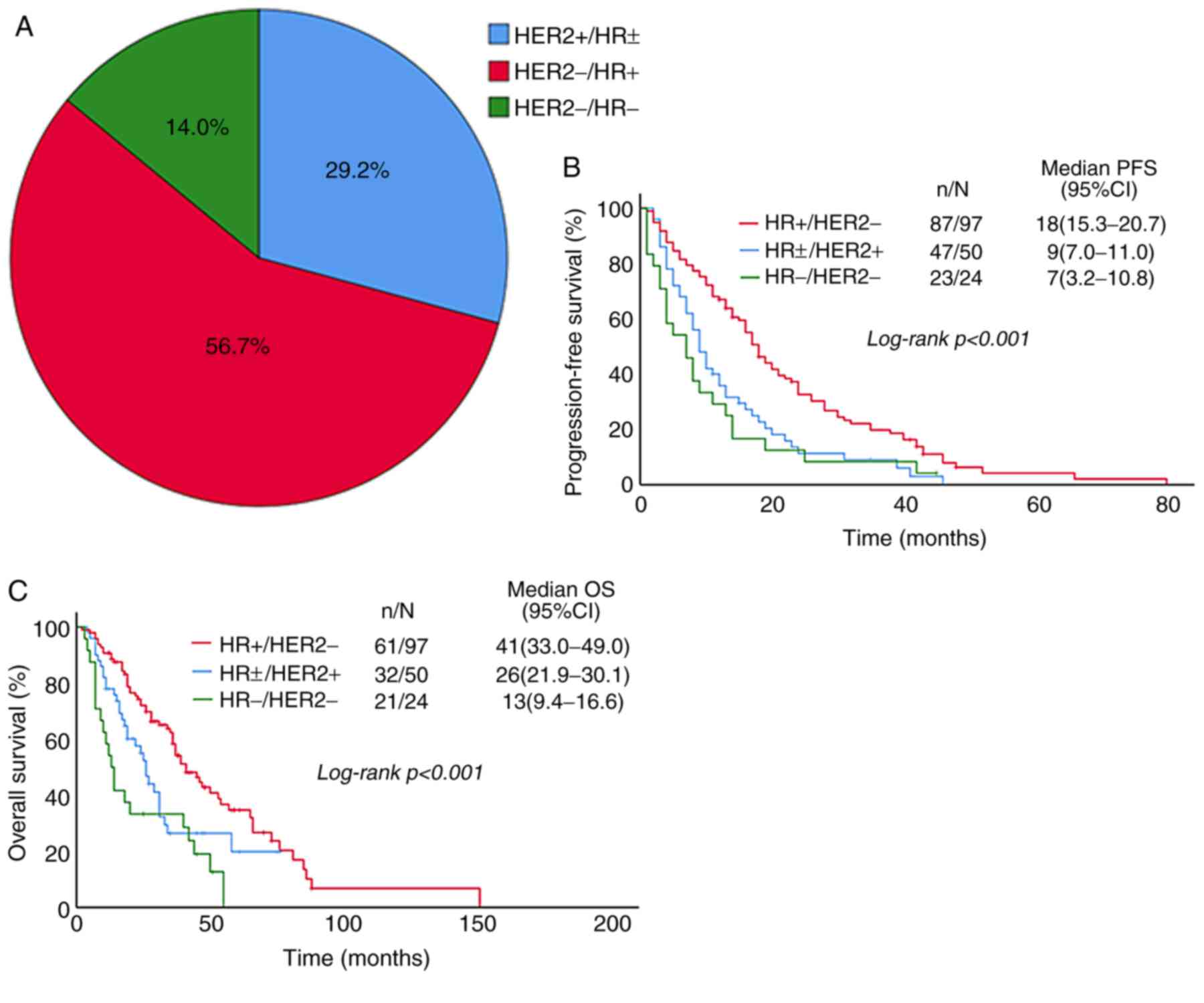
For many people researching long-term outcomes — including stories of the Longest HER2 breast cancer survivor — understanding HER2 breast cancer life expectancy in the era of targeted therapy can provide important context. Median survival statistics are improving, and individualized treatment approaches continue to evolve.
Susan Rahn
My first meeting with my oncologist feels distant and hazy now, but I distinctly recall her saying she would do everything possible to control the cancer. She also made it clear that metastatic breast cancer had no cure. As I sat there trying to process her words, a single thought repeated in my mind: “How did we end up here? It was only back pain.”
It’s astonishing to realize that more than 3 years have passed since that moment. Based strictly on statistics, I should not be here. The median life span for a metastatic breast cancer diagnosis has historically been 24 to 36 months. My 36-month mark came and went on August 28, 2016.
A note on median survival
This personal story was written in 2017. The median life span referenced above was accurate when it was first published.
Due to advances in treatment, median survival for metastatic breast cancer has improved. Research published in 2024 suggests survival for people receiving certain therapies may reach upward of 61.1 months, with an average of approximately 48 months.
I was diagnosed with stage 4 metastatic breast cancer de novo in 2013. The cancer had traveled beyond my right breast through the bloodstream to my spine and ribs. I had no warning until persistent back pain began earlier that month. A mammogram 9 months prior had been clear. To call the diagnosis shocking would be an understatement.
I wish I could say the road since then has been easy. It hasn’t. I’ve undergone two separate courses of radiation that resulted in nerve damage, three surgeries, two hospitalizations, five biopsies, and countless scans. I am currently on my fourth treatment plan and the last option before chemotherapy.
Understanding that your time may be shorter than expected shifts your entire perspective.
I felt compelled to support others facing the same reality. Before my diagnosis, I didn’t fully grasp what metastatic breast cancer meant — or that it is considered terminal. I began building a social media presence to educate and share my lived experience. Through blogging and online engagement, I connected with women across the spectrum of breast cancer.
Two truths became clear: Metastatic breast cancer research remains significantly underfunded, and breast cancer is far more complex than the “pretty pink club” image often portrayed. I wanted to help reshape that narrative and create a legacy my 17-year-old son could be proud of.
Last August, two close friends invited me to help launch a first-of-its-kind digital magazine and community for people affected by breast cancer: The Underbelly. Our mission is to illuminate the difficult, often unspoken aspects of the disease. When the conventional script about how to “do” breast cancer doesn’t resonate, we provide a space where honesty is welcomed and judgment is absent.
My efforts to increase funding for meaningful metastatic research led me to serve as an outreach coordinator for The Cancer Couch Foundation. This volunteer-run, privately funded organization directs 100% of donations to metastatic breast cancer research, and all contributions are matched by the institutions it supports — effectively doubling every dollar given. Few MBC organizations operate this way, and I am honored to contribute to its mission.
If someone had asked me 5 years ago what my life would look like today, I never would have imagined this path. Some days I feel anger at the relentless effort required to keep going. It isn’t all positivity and sparkle. Yet I am deeply grateful to work alongside friends who share this mission. I am confident that I will leave behind a legacy my son will cherish and pass on — even if my time comes before I meet the grandchildren he may one day have.
For those seeking reassurance in stories of resilience — including accounts resembling the Longest HER2 breast cancer survivor experiences — know that statistics describe populations, not individuals. With ongoing advancements in precision oncology, HER2-targeted treatments, hormone therapy, radiation techniques, and supportive care, many people with metastatic breast cancer are living longer and with greater quality of life than ever before.















Leave a Reply
You must be logged in to post a comment.