
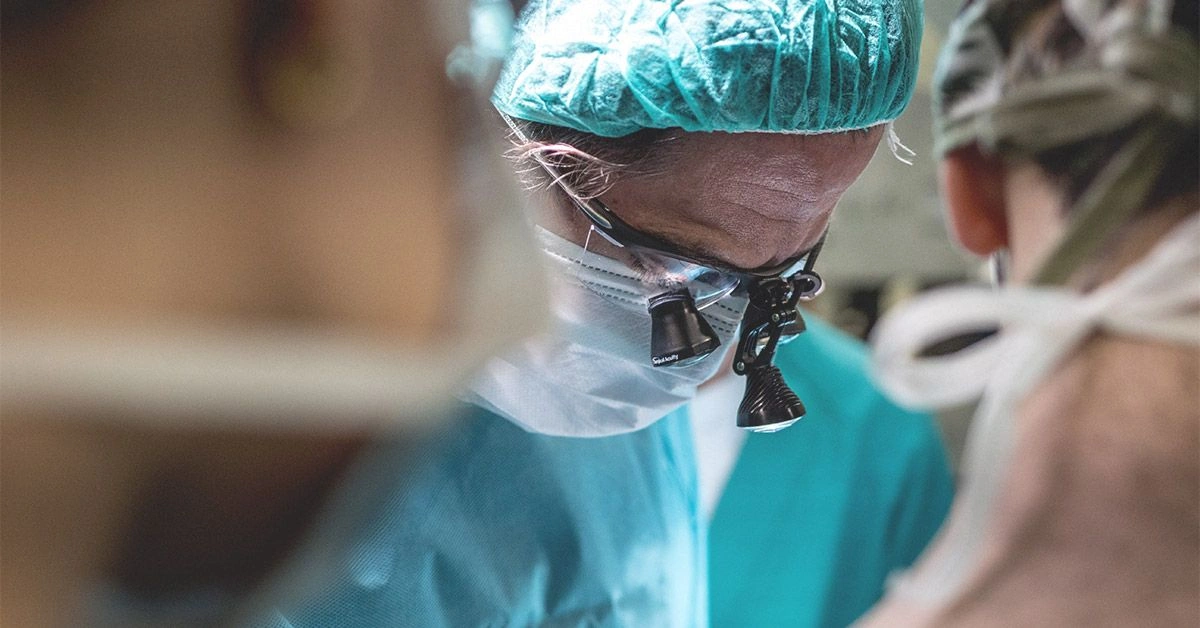
A pilonidal cyst is a pocket filled with hair and skin debris that develops near the base of the tailbone. Recovery after treatment varies based on the chosen technique and whether stitches are used. In some situations, healing can take several months.
These cysts were once believed to be congenital (present at birth).
Nowadays, they’re considered to be acquired. Loose hairs and nearby skin debris are thought to be driven into the soft tissue, triggering a foreign-body reaction and fibrotic tissue formation.
They occur about 2.2 times more often in men than women, most frequently affecting men in their 20s and 30s.

Initial care typically includes sitz baths, warm compresses, and antibiotics. If the infection is extensive or recurrent, surgical intervention may be necessary.
The main surgical approaches used to treat pilonidal cysts are:
- Incision and drainage. The clinician makes an opening to evacuate the pus and debris.
- Surgical cyst excision. Also called cystectomy, this procedure removes the entire cyst along with surrounding affected tissue.
Read on for details about how these procedures are performed, what recovery looks like, and the likelihood of recurrence.
Who is a suitable candidate for incision and drainage or surgical removal?
Incision and drainage
A clinician will commonly suggest an incision and drainage procedure when:
- this is the first episode of a pilonidal cyst
- the infection is relatively mild

An incision and drainage approach successfully treats pilonidal cysts roughly 60 percent of the time. To lower the chance of another infection, doctors often advise ongoing hair removal measures, such as shaving, waxing, or considering laser hair removal, and some patients may seek guidance about persistent follicle-related problems like perianal hematoma where relevant.
Surgical pilonidal cyst removal
If incision and drainage fails, or if the disease is more advanced, your provider may recommend complete surgical excision. Indications include:
- a prior incision and drainage with recurrence
- a more severe or widespread infection
- multiple cysts with associated sinus tracts
Newer, less invasive options
Minimally invasive techniques are emerging with encouraging outcomes for pilonidal disease, including:
- video-assisted ablation of pilonidal sinus (VAAPS)
- endoscopic pilonidal sinus treatment (EPiST)
These approaches aim to reduce healing time and morbidity compared with more extensive excisions.
Possible complications of these treatments
Incision and drainage is a commonly performed, generally safe procedure. The most frequently reported problem is postoperative pain, which is the most common complication.
Complete surgical excision usually produces a scar that fades over time but can be noticeable initially.
As with any operation, both incision and drainage and surgical removal carry a risk of infection. Warning signs include:
- increasing redness
- pus draining from the wound
- fever or chills
- warmth at the incision site
- tenderness
Other potential complications can include:
- seroma (fluid accumulation)
- hematoma (bruising)
- delayed wound healing
- recurrent pilonidal disease
Pilonidal cysts are prone to coming back after treatment; multiple procedures may be necessary to achieve lasting resolution.
Preparing for either procedure
Here’s how to get ready for each option:
Incision and drainage
No special preoperative preparation is usually required for incision and drainage. Wear clothing that allows the clinician easy access to the affected area.
Surgical cyst excision
If you’ll have a surgical removal, plan for a ride home — you won’t be able to drive after receiving sedatives or general anesthesia. Most patients go home the same day.
Follow your surgeon’s preoperative directions to reduce the chance of complications. They may advise stopping certain medications or herbal supplements and to cease smoking.
Your team will instruct you about fasting and bathing; typically, you should stop eating about 8 hours before any procedure requiring general anesthesia.
Bring a photo ID and any necessary insurance paperwork to the surgical facility.
What happens during incision and drainage and surgical excision?
Incision and drainage
Incision and drainage is a straightforward procedure usually performed in the clinic under local anesthetic.
The clinician will numb the area with an injection, make a small cut in the cyst, and allow the pus to drain. This typically relieves pain and decreases swelling.
You may be tender afterward, so it’s wise to have someone take you home.
Antibiotics are not routinely given unless there is evidence the infection has spread beyond the immediate area.
Surgical cyst excision
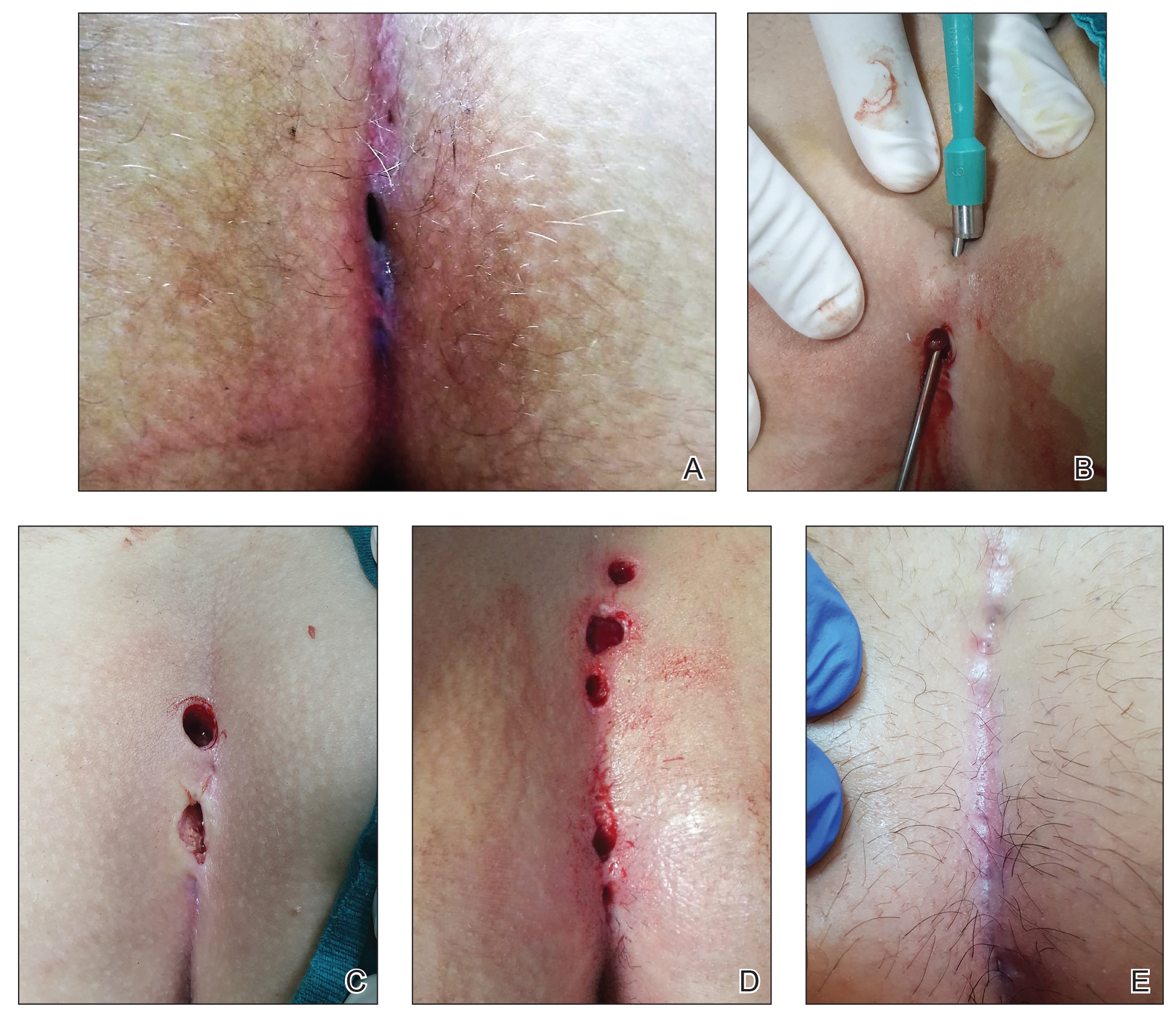
Excision involves removing the entire cyst and any sinus tracks. Although more involved than simple drainage, excision tends to have a higher chance of cure.
These operations are performed under general anesthesia at an outpatient facility and usually take about 45 minutes.
Common surgical techniques include:
- Wide local excision. Tissue is removed down to the fascia over the sacrum. The wound may be packed and allowed to heal by secondary intention.
- Excision with marsupialization. After excision, the roof of the cyst is removed and the edges are sutured to create an open pouch that heals more conveniently.
- Excision with primary closure. Cysts and sinus tracts are excised and the wound is sutured closed.
- Excision with flap closure. A flap of nearby tissue is used to cover the defect, which can promote faster healing and may reduce recurrence risk.
Most patients are discharged a few hours after surgery; make arrangements for transportation home.
How long does recovery take?
After surgery, your clinician may leave the wound open to heal from the inside out or close it with sutures.
The recovery timeline depends on the type of surgery and whether the wound is closed. Generally, complete healing often takes about 1 to 3 months.
Many people return to routine activities within a month. Your provider will usually schedule a follow-up around 6 weeks, though timing varies depending on dressing changes or suture removal.
Some discomfort is common during recovery and can be managed by:
- taking prescribed pain medication
- avoiding heavy exertion
- sitting on a doughnut cushion
- limiting prolonged sitting on hard surfaces
Follow your surgeon’s wound-care instructions carefully to reduce infection risk or recurrence.
If antibiotics are prescribed, finish the entire course even if you feel better before it’s finished.
Contact your clinician if you notice:
- fever
- purulent drainage from the wound
- worsening pain, swelling, warmth, or redness around the incision
Will the cyst come back?
Pilonidal cysts can recur after treatment. Within five years of surgery, recurrence rates have been reported to range from 13.8 percent to 32 percent, depending on the surgical method. Recurrence after incision and drainage is approximately 40 percent.
Recurrence can occur if the area becomes reinfected or if hair accumulates near the scar.
Patients with recurrent disease may experience chronic draining sinuses and nonhealing wounds.
Measures to lower recurrence risk include:
- adhering to your surgeon’s postoperative instructions
- keeping the area clean
- regular hair removal (every 2 to 3 weeks) by shaving or other methods
- attending all follow-up visits
- considering regular waxing or laser hair removal to reduce hair-related recurrence
Takeaway
Pilonidal cysts can be painful and disruptive to daily life and social activities and interpersonal interactions, but effective treatment options exist. The first step is to consult a healthcare provider.
If surgery is needed, discuss the advantages and disadvantages of less invasive incision and drainage versus full cyst excision. Incision and drainage is simpler and can be done in clinic, but it carries a higher chance of recurrence compared with definitive surgical removal.
Seek care early to reduce complications and improve outcomes.






















Leave a Reply
You must be logged in to post a comment.