


Poppyseed oil is extracted from the seeds of the poppy plant, Papaver somniferum. People have cultivated this species for millennia and used it for multiple purposes.
Poppies are well known for producing opium, which is the source for pharmaceutical compounds such as morphine and codeine.
The seeds of the poppy are commonly used in cooking, and poppyseed oil has several potential applications too, particularly for topical use.
Keep reading as we examine the possible uses and benefits of poppyseed oil.
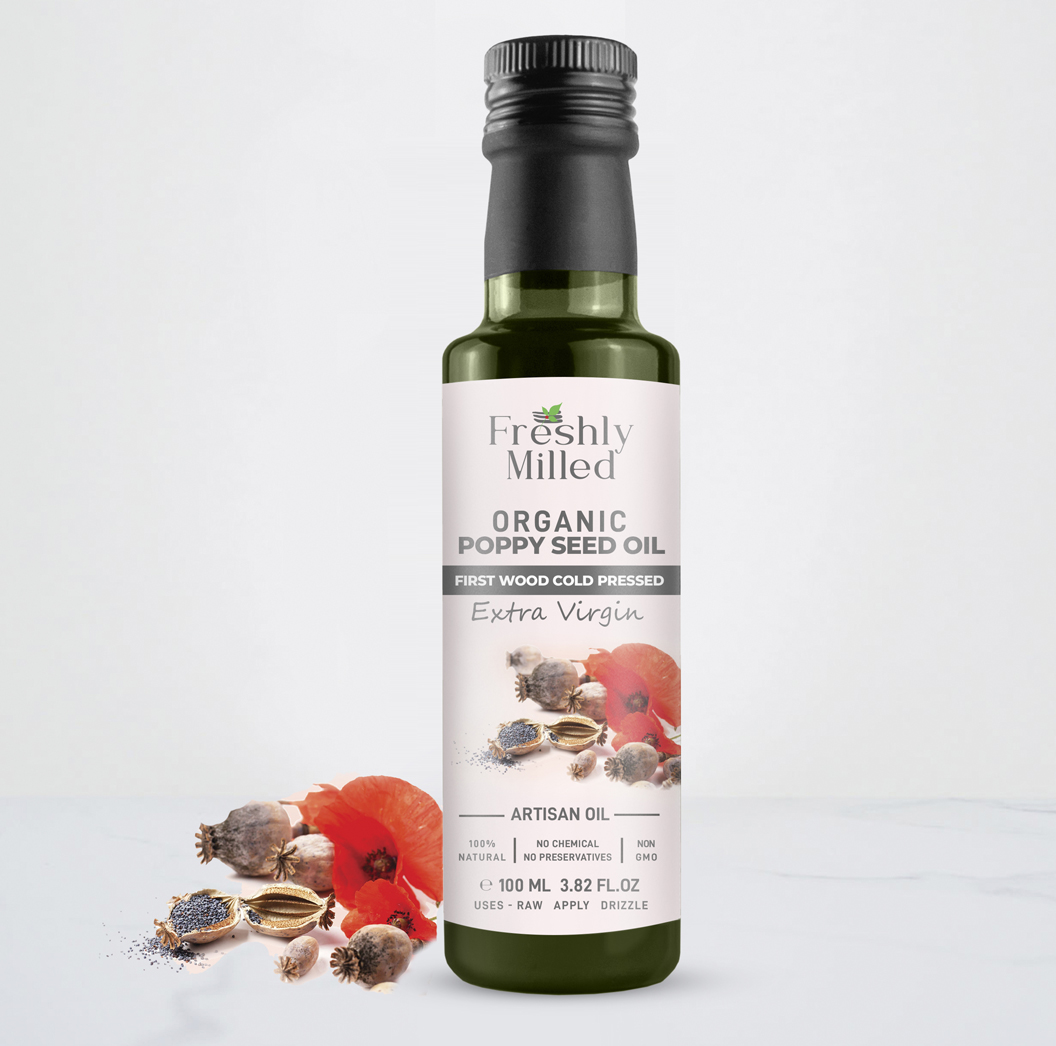
What is poppyseed oil used for?
You may encounter poppyseed oil in a range of settings — from natural health stores to art shops. It’s frequently employed in the making of varnishes, paints, and soap formulations.
The oil percentage in the seeds can differ based on seed color and origin. Poppy seeds appear in shades such as white, yellow, and blue. Typically, seeds may yield about 45 to 50 percent oil.
Poppyseed oil is commonly obtained through cold pressing. As implied by the term, cold pressing extracts oil by mechanical pressure without the use of heat.
Poppyseed oil benefits
Poppyseed oil is promoted for its antioxidant content and its purported advantages for skin and hair. Many of these claims are anecdotal, meaning they’re based on personal reports rather than extensive scientific trials.
Only a small amount of research has assessed poppyseed oil. Below, we summarize what is known about the oil and its constituents.
Antioxidant activity
Antioxidants are substances that counteract reactive oxygen species (ROS). ROS are generated during normal metabolic activity and, when abundant, can harm cells and may contribute to diseases like cancer or diabetes.
A 2013 study reported notable antioxidant activity for poppyseed oil. However, that activity was lower compared with some other tested oils. Oils from ajwain seed, mustard seed, and fenugreek seed showed greater antioxidant effects than poppyseed oil.
A 2009 analysis detected alpha- and gamma-tocopherol in poppyseed oil. Tocopherols are antioxidant compounds and are natural forms of vitamin E.
Summary: Poppyseed oil contains antioxidant compounds, including natural forms of vitamin E, which might reduce risk factors for illnesses such as cancer. More research is needed to fully understand its antioxidant effects.
For skin and hair
There’s limited direct research on poppyseed oil for beauty uses. Still, poppyseed oil is abundant in several fatty acids. Alongside the antioxidants noted above, these fatty acids could offer benefits when applied topically.
The primary fatty acids in poppyseed oil include:
- Linoleic acid. Linoleic acid is critical for preserving the skin’s moisture barrier. Your body cannot synthesize it — it must come from the diet. People deficient in linoleic acid may develop scaly, rough skin.
- Oleic acid. Oleic acid may contribute to wound repair. It can also enhance the skin’s absorption of other substances applied alongside it.
- Palmitic acid. Palmitic acid is the most prevalent saturated fatty acid in the body and is present in the skin. A 2010 report found that palmitic acid levels may decline with age.
Linoleic acid is the dominant fatty acid, comprising about 56 to 69 percent of the fatty acid profile.
These fatty acids are already utilized in cosmetics. For instance, linoleic acid can serve as a skin and hair conditioning ingredient, oleic acid is used as an emollient, and palmitic acid appears in many soaps and cleansers.
Summary: Although evidence is limited for topical uses of poppyseed oil, it does provide antioxidants and multiple fatty acids that could support skin and hair health.
For pain
Given that opium is obtained from the poppy plant, you might wonder whether poppyseed oil relieves pain. There’s no current research showing poppyseed oil has analgesic properties.
Importantly, poppy seeds and the oil pressed from them do not inherently contain opium. Opium is produced from the milky latex inside poppy pods, not from the seeds.
Summary: Poppyseed oil does not contain opium. More investigation is needed to determine if it has any pain-relieving effects.
Poppyseed oil side effects
Although uncommon, allergic reactions to poppy seeds have been documented. If you experience an allergic response while using poppyseed oil, discontinue use immediately. Be alert for signs of anaphylaxis, a life-threatening reaction that may include:
- hives
- swelling of the face or throat
- coughing or wheezing
- difficulty breathing
- gastrointestinal symptoms like cramps, nausea, or diarrhea
Topical application of poppyseed oil could also lead to skin irritation. Always test a small patch on your skin before wider use. If you notice redness, itching, or pain, stop using it.
Poppy seeds and opium
Poppy seeds and their oil should not contain opium. Opium is sourced from the poppy’s latex, a milky fluid inside the pod.
However, poppy latex can occasionally contaminate seeds during harvest, which may leave trace opium residues on them.
For this reason, consuming poppy seeds has been associated with false positives on drug screens. There is currently no evidence that poppyseed oil produces the same effect.
How to use poppyseed oil
You can try poppyseed oil by applying a small quantity directly to the skin or by incorporating a few drops into cosmetic products such as:
- lotions and creams
- soaps
- hair treatments
Remember some people may react to poppyseed oil. Conduct a patch test on your skin before applying it broadly.
Poppyseed oil can also act as a carrier oil for essential oils. To dilute an essential oil in poppyseed oil, the National Association for Holistic Aromatherapy suggests using 6 to 15 drops of essential oil per ounce of carrier oil.
When purchasing poppyseed oil, choose a trustworthy vendor. Some products may be mixed with other substances. Check the label carefully and seek 100 percent cold-pressed poppyseed oil.
The takeaway
Poppyseed oil comes from the seeds of the poppy plant and is commonly used in items like soaps and paints.
Research on poppyseed oil is limited, but studies have identified antioxidant compounds and a high content of various fatty acids.
These attributes indicate poppyseed oil could be useful for topical purposes.
Poppyseed oil may cause allergic reactions or skin irritation in some people. If you have concerns about using poppyseed oil, consult your healthcare provider before trying it.




















Leave a Reply
You must be logged in to post a comment.