


Tertiary butylhydroquinone, commonly called TBHQ, is an additive used to preserve many processed foods. It functions as an antioxidant, but unlike the beneficial antioxidants found in fruits and vegetables, TBHQ carries a controversial reputation.
Like other food additives, TBHQ is incorporated to prolong shelf life and stop oils from turning rancid. It appears as a pale crystalline substance with a faint scent. As an antioxidant, TBHQ helps prevent iron-containing foods from discoloring, which manufacturers find useful.
It’s frequently combined with other antioxidants such as propyl gallate, butylated hydroxyanisole (BHA), and butylated hydroxytoluene (BHT). BHA and TBHQ are often mentioned together because they are chemically related: TBHQ can be produced when the body breaks down BHA.
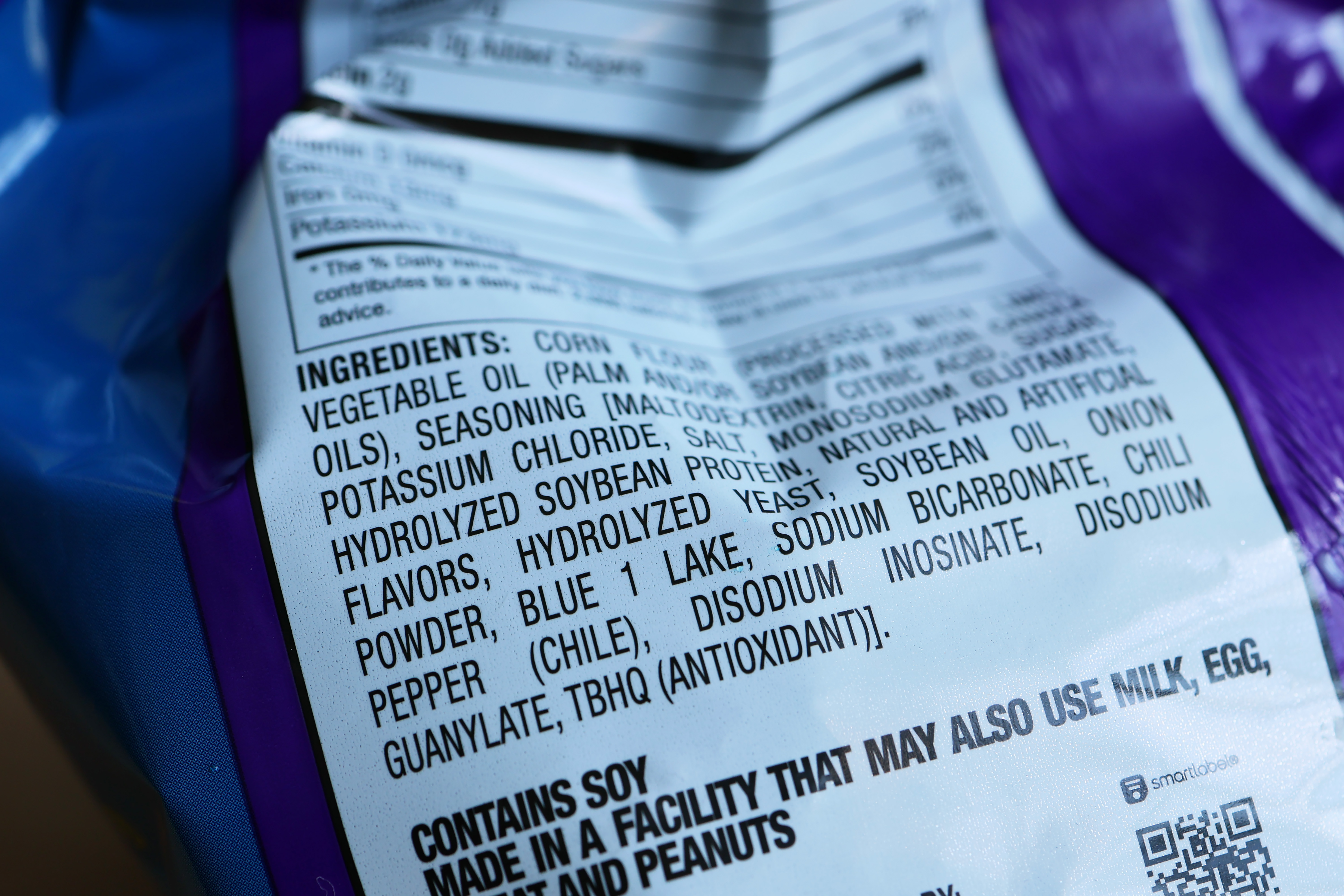
Where is it found?
TBHQ is added to fats, including both vegetable and animal fats. Since many processed foods contain fats, TBHQ appears in a broad array of products — for example, snack crackers, instant noodles, and many fast and frozen foods. Regulations permit its highest concentrations in frozen fish items.
TBHQ isn’t limited to food; it’s also an ingredient in paints, varnishes, and some skincare formulations.
FDA limits
The U.S. Food and Drug Administration (FDA) decides which additives are acceptable for consumers and sets usage limits when:
- there’s evidence that very large amounts might be harmful
- sufficient safety data are lacking
Because the FDA lacks proof that larger amounts are safe, TBHQ may not exceed 0.02 percent of the oils in a food. While this doesn’t prove that levels above 0.02 percent are harmful, it indicates that safety at higher concentrations hasn’t been established.
The possible dangers
What health concerns are linked to this common preservative? Studies have associated TBHQ and BHA with a range of potential health issues.
The Center for Science in the Public Interest (CSPI) notes that a rigorously conducted government study reported an increased rate of tumors in rats exposed to the additive.
The National Library of Medicine (NLM) documents human reports of vision disturbances after TBHQ consumption. The NLM also cites animal studies showing liver enlargement, neurotoxic effects, seizures, and paralysis linked to TBHQ.
Some people believe BHA and TBHQ can influence behavior. This concern is why these compounds appear on the “avoid” list of the Feingold Diet, a nutritional approach aimed at managing attention deficit hyperactivity disorder (ADHD). Proponents recommend those with behavioral issues steer clear of TBHQ.
How much do I get from my food?
The FDA deems small amounts of TBHQ to be safe, yet some research suggests Americans may be ingesting higher levels than advisable.
A 1999 assessment by the World Health Organization estimated the “average” TBHQ intake in the U.S. at roughly 0.62 mg per kg of body weight, which is about 90 percent of the acceptable daily intake. Among people who consume high-fat diets, intake was estimated at 1.2 mg/kg, equating to 180 percent of the acceptable daily intake.
The report’s authors cautioned that certain assumptions likely led to overestimation, so the true average TBHQ consumption remains uncertain.
Avoiding TBHQ
Whether you’re managing the diet of a child with ADHD or you’re concerned about a preservative linked to possible health effects, learning to read ingredient labels can help you steer clear of TBHQ and similar compounds.
Look for the following names on labels:
- tert-butylhydroquinone
- tertiary butylhydroquinone
- TBHQ
- butylated hydroxyanisol
TBHQ tends to appear in processed foods designed for long shelf life. Reducing intake of packaged items and choosing fresh, whole ingredients is an effective way to minimize TBHQ in your diet.

















Leave a Reply
You must be logged in to post a comment.