
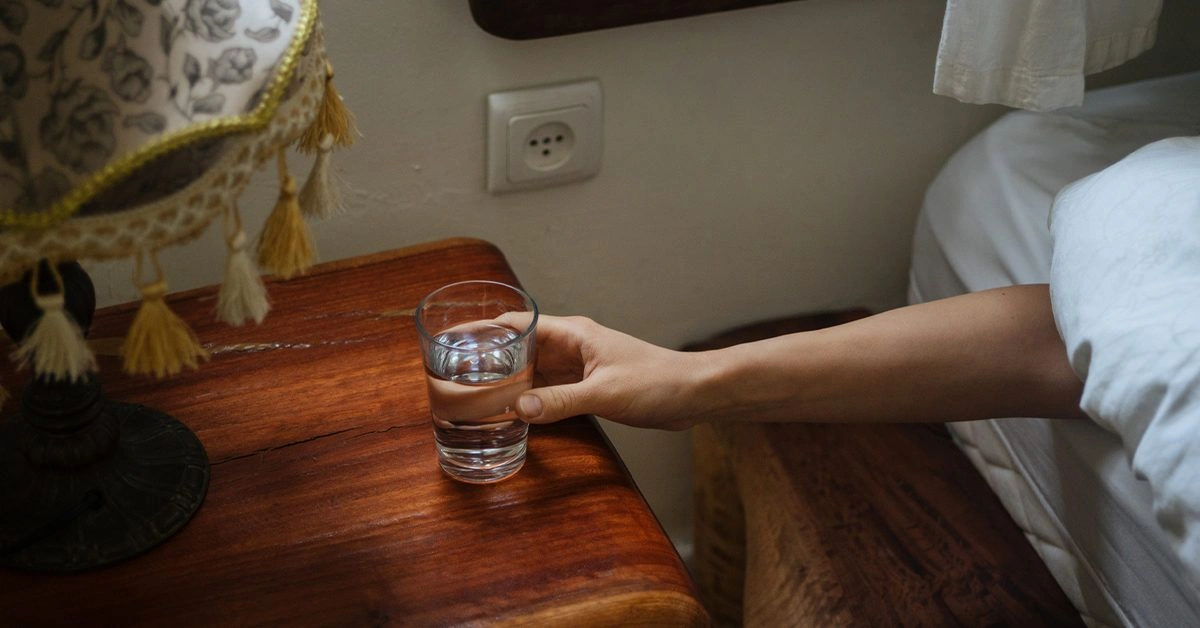
Waking up with a dry mouth may be a mild irritation, but when it occurs frequently it can point to an underlying medical issue that deserves attention.
Below are several explanations to consider if thirst is pulling you out of sleep.
Could my bedroom be the problem?
For better sleep, a cooler sleeping space is preferable to a hot one. Specialists suggest keeping your bedroom temperature between 60 and 70°F (16 and 21°C).
Waking thirsty might also be due to overly dry indoor air.
The Environmental Protection Agency (EPA) advises maintaining indoor humidity around 30 to 50 percent. This range is low enough to discourage mold growth while keeping the air more comfortable.

Am I simply dehydrated?
Daily water needs vary between individuals. A general guideline is to aim for eight 8-ounce glasses of water each day.
After intense exercise, working in hot conditions, or losing fluids from vomiting, diarrhea, or fever, you’ll likely need extra fluids to replace water and electrolytes.
Monitoring fluid intake is especially vital for children and older adults, since their thirst sensation may not reliably indicate true hydration status.
Could a medication be causing this?
Many prescription drugs list thirst as a possible side effect, including:
- corticosteroids
- SGLT2 inhibitors
- antipsychotics
- antidepressants
- anticonvulsants
- anticholinergics
If you notice nighttime thirst after starting one of these medicines, discuss alternatives or adjustments with your physician to see if you can avoid waking to drink.
Is it a hangover?
Consuming several alcoholic drinks quickly can leave you waking up parched.
Alcohol promotes diuresis — increased urine production — and triggers other biochemical responses that can provoke thirst.
When alcohol is metabolized, it produces a compound called acetaldehyde, which contributes to the sensation of thirst along with other bodily effects.
To ease a hangover, try sipping slowly on:
- water
- herbal teas
- sports drinks to replenish electrolytes
- clear broth to restore sodium
Could sleep apnea be involved?
People with sleep apnea often breathe through their mouth at night, and the resulting dry mouth can rouse them. Using a continuous positive airway pressure (CPAP) device can also lead to mouth dryness.
If a CPAP is causing dryness, speak with your provider about models or humidification options that minimize this problem.
Also consult your dentist about persistent dry mouth, since reduced saliva raises the risk of tooth decay.
Is it tied to perimenopause or menopause?
The hormones estrogen and progesterone influence fluid balance and thirst. During perimenopause and menopause, hormonal shifts can lead to hot flashes, night sweats, and heightened thirst.
A 2013 study examined sweating and thirst in premenopausal, perimenopausal, and postmenopausal women during exercise. It found that the perimenopausal and postmenopausal groups reported greater thirst both before and after exercise than the premenopausal group.
If you’re going through menopause, maintaining good daily hydration is particularly important.
Could this be a sign of diabetes?
Excessive thirst is a hallmark of diabetes mellitus. When the body cannot process glucose properly, the kidneys work to remove the excess sugar, producing more urine and triggering thirst to encourage fluid intake.
Other conditions that can produce severe thirst include:
- central diabetes insipidus
- nephrogenic diabetes insipidus
- dipsogenic diabetes insipidus
Central and nephrogenic diabetes insipidus affect vasopressin production or response, respectively. Vasopressin (antidiuretic hormone) regulates the body’s water balance.
The outcome is excessive urination and an intense, often unrelenting feeling of thirst.
What other causes should I consider?
Sjögren syndrome
Sjögren syndrome is an autoimmune condition in which the body targets glands that lubricate the eyes and mouth. It is more common in women and may also cause:
- vaginal dryness
- skin rashes
- dry skin
- joint discomfort
- systemic inflammation
Chewing sugar-free gum or using lozenges can relieve dry mouth. Your physician can prescribe treatments to modulate the immune response.
Anemia
Anemia affects red blood cells and most commonly causes fatigue or weakness.
However, increased thirst can accompany some types of anemia, as certain forms may contribute to dehydration.
Anemia is often mild but can lead to significant problems if untreated. Discuss with your doctor if you suspect it may be linked to your nighttime awakenings.
Heart, kidney, or liver failure
Advanced heart, kidney, or liver failure can lead to pronounced thirst as the body struggles to maintain fluid and electrolyte balance.
Several studies report that roughly 70 percent of intensive care patients with these conditions experience moderate to severe thirst.
When should I see a doctor?
Consulting a healthcare professional is wise whenever you’re concerned about a symptom or a pattern you’re noticing.
Make an appointment if:
- You cannot satisfy your thirst regardless of how much you drink.
- You’re producing progressively larger volumes of urine daily.
- You feel persistently tired or exhausted.
- Your vision becomes blurry.
- You have wounds or sores that heal poorly.
- Your thirst is accompanied by excessive appetite.
The takeaway
Waking up thirsty can stem from your sleep setting, hydration routines, or medications. Small changes to your habits or bedroom environment may restore uninterrupted sleep.
But frequent nocturnal thirst could signal a medical issue. Track how often it happens and note any other symptoms, then discuss your observations with your doctor — your body may be sending an important message.



















Leave a Reply
You must be logged in to post a comment.