
Strawberries, blueberries, and raspberries are common in supermarkets, but many equally tasty berries grow freely in nature.
Wild berries flourish in diverse climates and are loaded with nutrients and bioactive plant compounds. While some wild varieties are tart, they’re adaptable and can be enjoyed in numerous preparations.
That said, certain wild berries contain poisonous constituents. Consuming them in large quantities may lead to unpleasant symptoms or even be deadly.
Below are 10 tasty and safe wild berries to try — and 8 poisonous species to steer clear of.
1. Elderberries
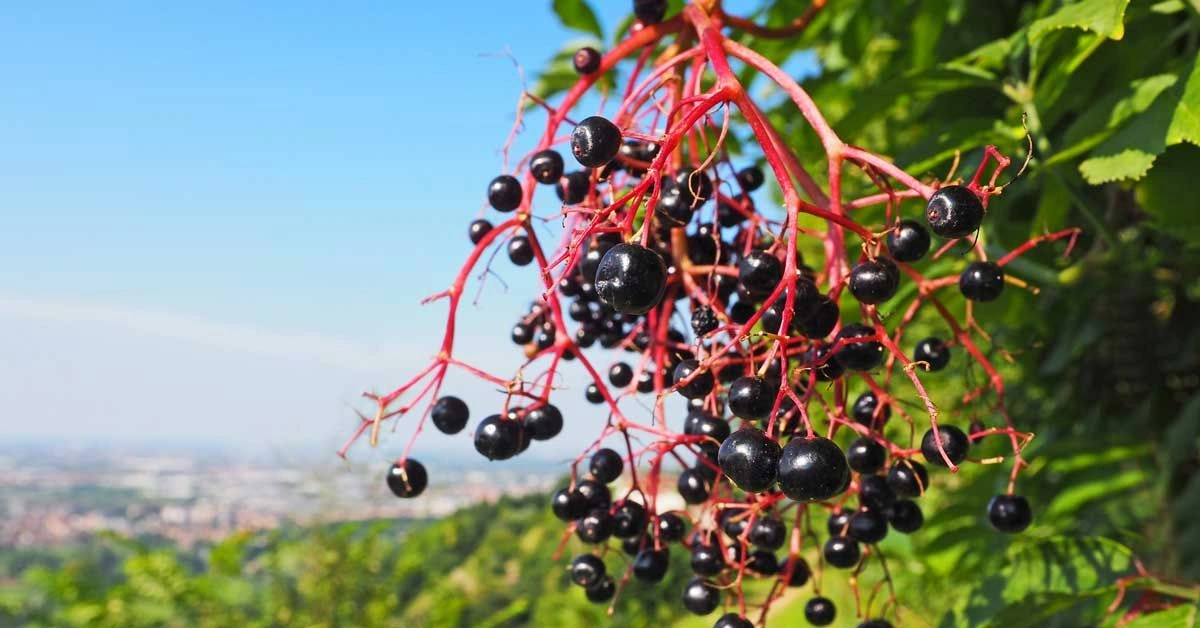
Elderberries come from several species of the Sambucus shrub.
They grow in temperate to subtropical parts of the Northern Hemisphere and form in small clusters with a black, bluish-black, or purple hue.
While many Sambucus berries are edible, the Sambucus nigra L. ssp. canadensis type is the one most commonly consumed.
It’s essential to cook elderberries because raw berries contain alkaloid compounds that can trigger nausea if eaten uncooked (1).
Raw elderberries are tart and tangy, which is why they’re usually heated and sweetened for juices, jams, chutneys, or elderberry wine.
These berries are an excellent source of vitamin C — 1 cup (145 grams) supplies about 58% of the daily requirement. Vitamin C is vital for many bodily functions, especially immune support.
Elderberries are also a good source of vitamin B6, which contributes to immune health (2, 3).
The nutrient profile of elderberries and derived products helps explain their reputation for supporting immune function. Several studies have reported encouraging, though somewhat mixed, outcomes for elderberry extracts (4, 5, 6, 7).
For instance, a trial involving 312 adults found that 300 mg of an elderberry extract taken before and after travel significantly shortened cold duration and reduced severity versus placebo (8).

Summary: Elderberries are tart when raw and are best cooked. They’re rich in vitamin C and vitamin B6, both helpful for immune health.
2. Cloudberries
Cloudberries come from Rubus chamaemorus, a plant found at higher elevations in cool, boggy northern areas. They are known to be scarce.
The plant bears white flowers, and the fruit, which turns yellow to orange, has a raspberry-like appearance (9).
Fresh cloudberries are soft, juicy, and moderately tart. Their flavor is often described as a cross between raspberries and red currants with a delicate floral sweetness. They can be eaten raw (10).
Cloudberries are exceptionally high in vitamin C — 100 grams (3.5 ounces) supplies about 176% of the daily requirement (3, 11).
They’re also abundant in ellagitannins, potent antioxidants that help protect cells from oxidative damage.
Animal and in vitro studies suggest ellagitannins may have anticancer properties, support immune function, and reduce inflammation (12).
Because cloudberries are rare, researchers are investigating biotechnological methods to scale up production for human consumption (13).
Summary: Cloudberries are rare, grow in remote bogs of the Northern Hemisphere, and have a slightly tart-sweet flavor. They’re rich in ellagitannin antioxidants that may guard against oxidative damage and provide other health perks.
3. Huckleberry
Huckleberry refers to the fruit of several North American species in the Vaccinium and Gaylussacia groups (14, 15).
Wild huckleberries are found in mountains, forests, bogs, and lake basins across the Pacific Northwest and Western Canada. The berries are small and can be red, blue, or black.
When ripe, huckleberries are pleasantly sweet with a touch of tartness. They’re edible fresh but are often used in beverages, jams, puddings, sweets, syrups, and other recipes.
Huckleberries pack high levels of antioxidants, such as anthocyanins and polyphenols — even surpassing some antioxidant-rich fruits like blueberries (16).
Diets rich in anthocyanins and polyphenols have been associated with reduced inflammation, lower heart disease risk, and potential anticancer effects (17, 18).
Summary: Huckleberries are mildly sweet with some tartness and can be eaten raw or cooked. They’re loaded with antioxidants like anthocyanins and polyphenols.
4. Gooseberries
Gooseberries fall into two primary groups — European gooseberries (Ribes grossularia var. uva-crispa) and American gooseberries (Ribes hirtellum) (19).
Native to Europe, Asia, and North America, these berries grow on bushes about 3–6 feet (1–1.8 meters) tall. They’re small, round, and can range in color from green to red or purple (19).
Gooseberries can be very tart or quite sweet. People eat them raw or use them in pies, wines, jams, and syrups.
They’re rich in vitamin C; 1 cup (150 grams) supplies approximately 46% of the Daily Value (3, 20).
That same serving provides about 6.5 grams of dietary fiber — roughly 23% of the daily target. Dietary fiber is an indigestible carbohydrate crucial for gut health (3, 20, 21).
They also contain the antioxidant protocatechuic acid, which has shown antibacterial, anti-inflammatory, and anticancer properties in animal and lab studies (22).
While these findings are promising, additional human research is needed to confirm the benefits.
Summary: Gooseberries can be tart or sweet and are eaten raw or cooked. They’re high in fiber, vitamin C, and the antioxidant protocatechuic acid.
5. Chokeberries
Chokeberries (Aronia) grow on shrubs native to eastern North America (23).
They have a semisweet yet astringent flavor and can be eaten raw, though they’re most often turned into wines, jams, spreads, juices, teas, and ice cream.
Chokeberries commonly grow in moist woods and wetlands. The main species include red chokeberry (Aronia arbutifolia), black chokeberry (Aronia melanocarpa), and purple chokeberry (Aronia prunifolia) (23).
They’re notably high in vitamin K, a nutrient important for bone health and blood clotting (24, 25, 26).
Chokeberries are also rich in antioxidants like phenolic acids, anthocyanins, flavonols, and proanthocyanidins, giving them some of the highest antioxidant capacities among fruits (27).
Summary: Chokeberries are semisweet and tart and are good both fresh and cooked. They’re high in vitamin K and many antioxidants.
6. Mulberries
Mulberries (Morus) are flowering trees of the Moraceae family.
They grow in temperate to subtropical zones across both hemispheres. Mulberries are aggregate fruits that develop in clusters (28).
Typically 2–3 cm long, they are usually dark purple to black, though some varieties are red or white.
Mulberries are juicy and sweet, delicious fresh or used in pies, cordials, and teas. They’re rich in vitamin C and provide several B vitamins, magnesium, and potassium.
One cup (140 grams) of mulberries supplies about 14% of your daily iron needs. Iron is crucial for growth, development, and red blood cell production (3, 29, 30).
Mulberries are also abundant in anthocyanins, plant pigments that act as powerful antioxidants.
Laboratory and animal research indicates mulberry extracts may help lower blood sugar, support weight loss, fight cancer, and protect the brain — effects likely linked to their strong antioxidant content (31, 32, 33).
Summary: Mulberries are sweet and juicy, enjoyable raw or cooked. They’re high in iron and anthocyanin antioxidants.
7. Salmonberry
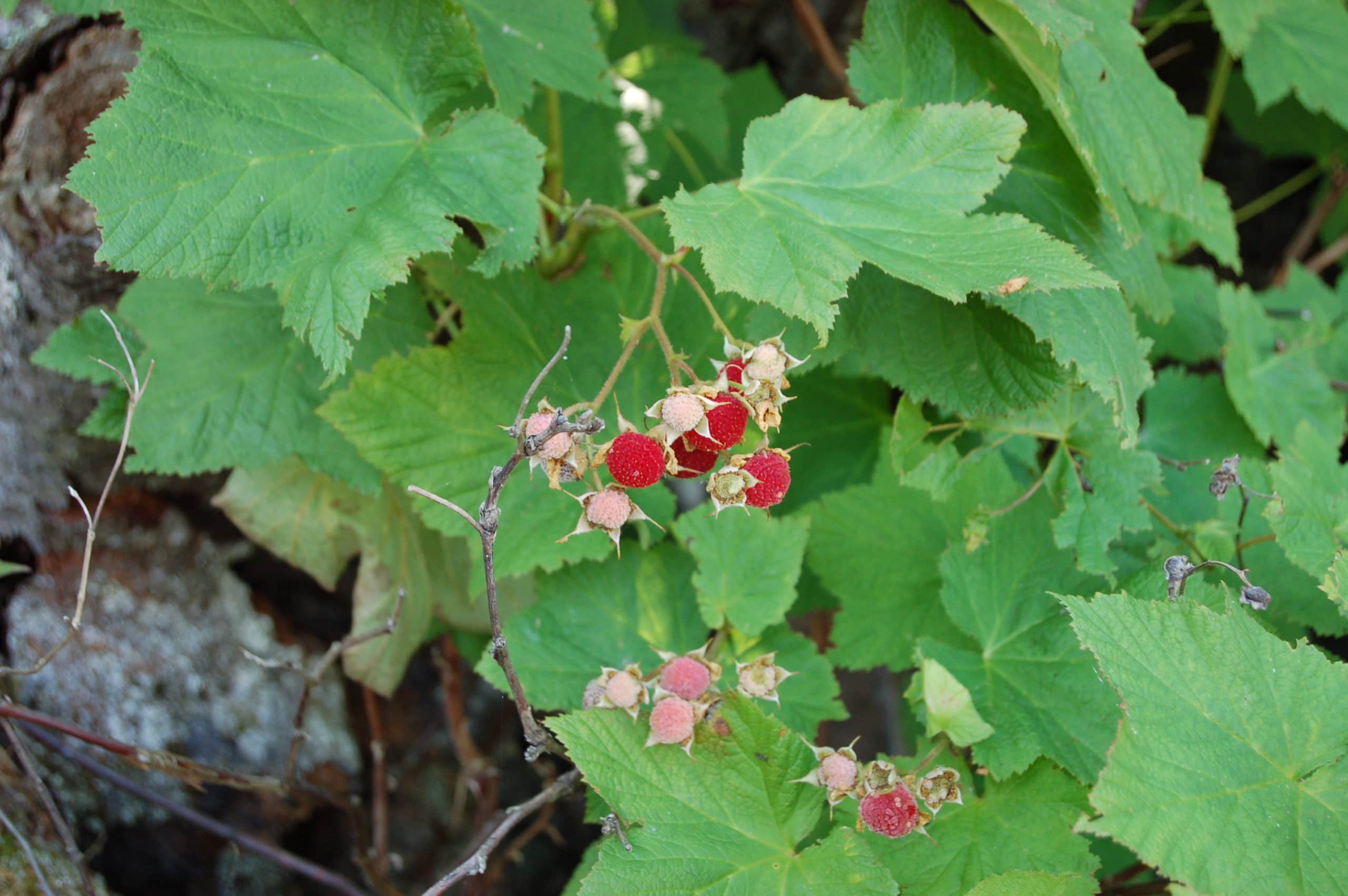
Salmonberries are the fruit of Rubus spectabilis, a member of the rose family.
Native to North America, these plants can reach 2–4 meters (6.6–13 feet) tall and thrive in moist coastal forests and along shorelines (34).
Salmonberries range from yellow to orange-red and resemble blackberries. They have a rather mild flavor and can be eaten raw.
They’re often blended with other ingredients and processed into jams, candies, jellies, and alcoholic beverages.
Salmonberries are a solid source of manganese, offering about 55% of the RDI in 100 grams (3.5 ounces). Manganese supports nutrient metabolism, bone health, and has antioxidant roles (35).
The berries also provide appreciable amounts of vitamins K and C — roughly 12% and 10% of the Daily Value per 100-gram serving, respectively (3, 36).
Summary: Fresh salmonberries are fairly mild, so they’re often made into jams, wines, and other products. They’re a good source of manganese and vitamins C and K.
8. Saskatoon berries
Amelanchier alnifolia is a shrub native to North America.
Growing 1–8 meters (3–26 feet) tall, it produces edible saskatoon berries — purple fruits about 5–15 mm (1/4–1 inch) across (37).
They have a sweet, nutty flavor and may be eaten fresh or dried. People use them in pies, wines, jams, beer, cider, and occasionally in cereals and trail mixes.
Saskatoon berries are among the richest sources of riboflavin (vitamin B2), providing nearly three times the daily need in 100 grams (3.5 ounces) (38).
Riboflavin, like other B vitamins, is essential for energy metabolism. It helps convert food into usable energy and may support nervous system health against disorders such as Parkinson’s disease and multiple sclerosis (39, 40).
Summary: Saskatoon berries are sweet and nutty and are enjoyable fresh or dried. They’re exceptionally high in riboflavin, an important nutrient.
9. Muscadine
Muscadine (Vitis rotundifolia) is a grapevine species native to the United States.
Muscadine grapes have thick skins that vary from bronze to deep purple or black. They’re very sweet with a musky note, and the flesh is similar in texture to plums (41).
Muscadines are loaded with riboflavin (vitamin B2) — a 100-gram serving supplies about 115% of the Daily Value. They’re also high in dietary fiber, with 3.9 grams per 100 grams (about 14% of the daily value) (3, 42).
Dietary fiber may help lower blood cholesterol, support healthy digestion, and increase satiety and weight loss (21).
These fruit are also a source of resveratrol, an antioxidant concentrated in grape skins. Research in animals and humans shows resveratrol may support healthy blood sugar control and protect against heart disease and some cancers (43).
Summary: Muscadine grapes are sweet and musky. They’re rich in fiber, riboflavin, and resveratrol, a beneficial antioxidant.
10. Buffaloberries
Buffaloberries (Shepherdia) grow on small shrubs in the Elaeagnaceae family.
Native to North America, these shrubs reach 1–4 meters (3–13 feet). The silver buffaloberry (Shepherdia argentea) is common, featuring green leaves with silvery hairs and pale-yellow, petal-less flowers (44).
Buffaloberries have a coarse, dark-red skin dotted with tiny white specks. Fresh berries are quite bitter, so they’re usually cooked into jams, jellies, and syrups. Consuming large amounts of these berries in any form can cause diarrhea (46).
They’re rich in antioxidants, including lycopene.
Lycopene is the pigment that gives red, orange, and pink fruits their color and is tied to several health benefits.
For example, studies have linked lycopene with lower risks of heart disease, certain cancers, and eye disorders like cataracts and age-related macular degeneration (ARMD) (46, 47, 48, 49, 50).
Summary: Buffaloberries are bitter raw but can be transformed into tasty jams and syrups. They’re high in lycopene, an antioxidant associated with reduced risks of heart disease, certain cancers, and some eye conditions.
8 Poisonous wild berries to avoid
Although many wild berries are safe and enjoyable, some are dangerous and should be avoided.
Certain berries contain toxic substances that can cause mild to severe or even fatal reactions.
Below are eight poisonous wild berries to avoid:
- Holly berries. These small berries contain saponins, which can produce nausea, vomiting, and abdominal cramps (51).
- Mistletoe. The white berries of mistletoe have phoratoxin, which can lead to digestive upset and a slowed heart rate (bradycardia), and may harm the brain, kidneys, and adrenal glands (51).
- Jerusalem cherries. Also called Christmas orange, these yellow-red berries contain solanine, which can cause gastrointestinal distress, cramps, and an irregular heartbeat (tachycardia) (51).
- Bittersweet. Also known as woody nightshade, its berries contain solanine and can produce similar toxic effects as Jerusalem cherries (51).
- Pokeweed berries. These purple, grape-like berries come from a plant whose roots, leaves, stems, and fruit are toxic. The plant becomes more poisonous with maturity, and ingesting the berries can be deadly (52).
- Ivy berries. Ranging from purple-black to orange-yellow, ivy berries contain saponins and may induce nausea, vomiting, and cramps (53).
- Yew berries. These bright red berries have potentially poisonous seeds. Research indicates that ingesting many yew seeds can cause seizures (53).
- Virginia creeper berries. The fruits of this climbing vine contain toxic levels of calcium oxalate, which in excess can damage the kidneys (54).
This list isn’t exhaustive, and many other poisonous berries are present in the wild. Some toxic berries can look strikingly similar to edible ones.
Therefore, exercise extreme caution when foraging wild berries. If you’re uncertain about a berry’s identity or safety, it’s wiser to leave it alone.
Summary: Numerous wild berries contain poisonous substances. Be very careful when collecting wild berries for consumption.
The bottom line
Many wild berries are safe and delicious.
They’re often rich in nutrients and powerful antioxidants that can support immune function, protect the brain and heart, and reduce cellular damage.
However, some wild berries are toxic and potentially lethal. If you can’t positively identify a wild berry, do not eat it — the risk isn’t worth taking.





















Leave a Reply
You must be logged in to post a comment.