
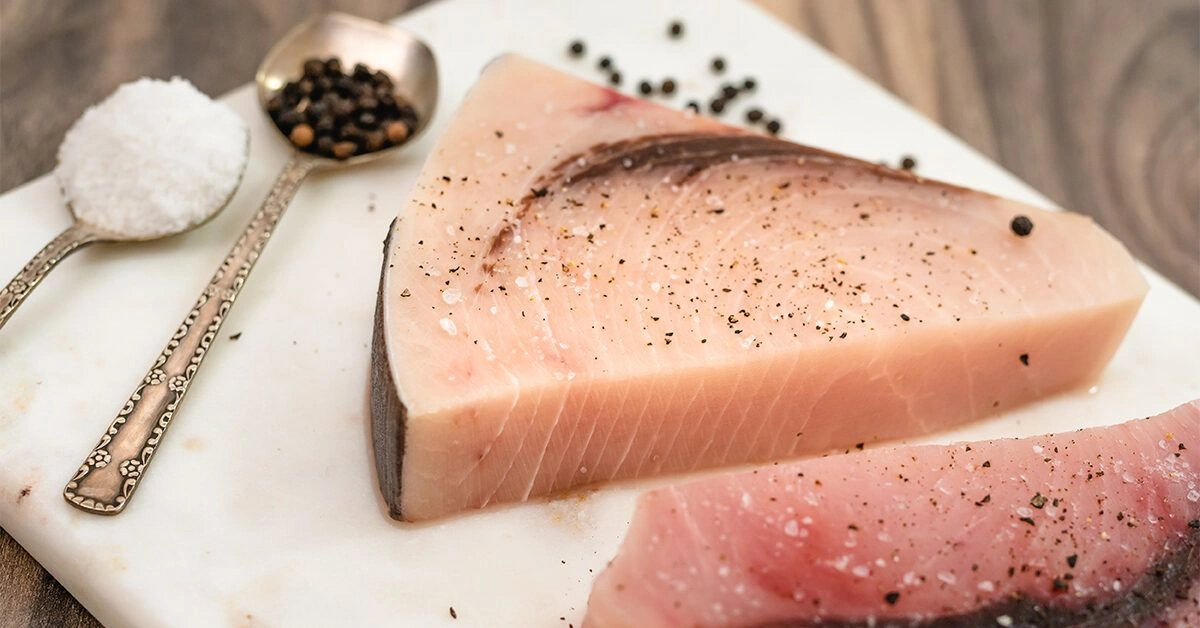
Swordfish (Xiphias gladius) is a large predatory seafood consumed by many people globally.
Its most notable feature is a long, sword-like bill — the origin of its common name. It’s also among the fastest fish in the ocean.
Swordfish has a distinctive nutrient composition and offers several health benefits. However, eating it frequently or in large amounts can increase the risk of mercury exposure (1).
This piece examines the health impacts of eating swordfish, covering its advantages and drawbacks, and how much is considered safe.
:max_bytes(150000):strip_icc()/swordfish-jeff-rotman-getty-56a5f8eb5f9b58b7d0df532f.jpg)
Swordfish nutrition
Swordfish is high in several essential nutrients.
Essential nutrients cannot be made by your body and therefore must come from food.
A 3-ounce (85-gram) portion of cooked swordfish supplies (2):
- Calories:146
- Protein: 20 grams
- Fat: 6.7 grams
- Carbs: 0 grams
- Selenium: 106% of the Daily Value (DV)
- Vitamin D:71% of the DV
- Potassium: 9% of the DV
- Magnesium: 7% of the DV
Swordfish is particularly rich in selenium. This trace mineral supports thyroid and bone metabolism, immune function, cardiovascular health, and male fertility, among other roles (3, 4).
It’s also an excellent source of vitamin D, a critical nutrient for bone health that has benefits for immunity, cardiovascular health, and asthma management (5, 6).
Additionally, swordfish is a fatty fish containing substantial amounts of the omega-3 fatty acids eicosapentaenoic acid (EPA) and docosahexaenoic acid (DHA).
EPA and DHA are essential and are known to protect against cardiovascular and inflammatory conditions and to support brain health (7, 8).
A 3-ounce (85-gram) serving contains 764 mg of EPA and DHA combined. The 2015–2020 Dietary Guidelines for Americans recommend an average intake of 250 mg per day, making swordfish a very concentrated source (2, 9).
Summary: Swordfish supplies several vital nutrients that support health, notably selenium and omega-3 fatty acids.
Benefits of eating swordfish
Swordfish may offer multiple health advantages, largely due to its omega-3s, selenium, and vitamin D.
May lower heart disease risk factors
High blood pressure and elevated cholesterol are important risk factors for heart disease.
Omega-3s in swordfish can beneficially affect blood pressure and cholesterol levels, particularly in people with existing cardiovascular disease. They also appear not to interfere with many prescription medications (10, 11, 12).
Research indicates that EPA and DHA can reduce blood pressure by lowering heart rate and improving blood vessel function and flexibility (11, 13).
They may also decrease triglyceride levels by roughly 20–30% and help prevent clot formation that can obstruct arteries (11).
However, omega-3s can sometimes raise LDL (so-called bad) cholesterol, which is a concern for heart disease risk (11).
The vitamin D in swordfish might also help reduce blood pressure and the likelihood of heart attack. One study reported that individuals with vitamin D deficiency had a 60% higher risk of cardiovascular disease (14, 15, 16, 17, 18).
Some evidence suggests vitamin D supplementation can lower systolic blood pressure by 2–6 mm Hg, possibly via interactions with the kidneys and endocrine system (19).
May lower cancer risk
Swordfish could help reduce cancer risk because it contains omega-3s, vitamin D, and selenium.
Chronic inflammation can predispose to cancer, and both omega-3s and vitamin D have anti-inflammatory effects. Studies indicate these nutrients may have protective roles against colorectal cancer (14, 20).
These nutrients may inhibit cancer cell proliferation and promote programmed cell death. Vitamin D may also impede the development of new blood vessels that nourish tumors (14, 20).
Omega-3s can reduce metastasis, and some animal and human studies show they may shrink colorectal tumors, although human results are mixed (20, 21, 22).
Selenium functions as a potent antioxidant that counters the damaging effects of excess free radicals. It may offer protection against liver, prostate, breast, and lung cancers (23, 24, 25).
Selenium supplementation may also help those receiving radiotherapy by improving quality of life and reducing treatment side effects (26).
Note that most studies look at specific nutrients rather than the direct effects of consuming swordfish itself, so more research is needed to clarify swordfish’s unique impact.
May support bone health
The vitamin D and selenium in swordfish may promote bone strength.
Vitamin D primarily enhances calcium absorption in the intestines. It’s also crucial for bone formation, and vitamin D deficiency is linked to bone loss, falls, and fractures (14, 27, 28, 29).
Although selenium is less well-known for bone health, it influences bone metabolism through effects on osteoblasts and osteoclasts.
During bone remodeling, osteoblasts build bone while osteoclasts break it down to release minerals. Selenium helps keep this process balanced by suppressing osteoclast activity and preventing weak bones (30).
Studies have linked low blood selenium with lower bone mineral density and higher risk of bone disorders (30).
Summary: The omega-3s, vitamin D, and selenium in swordfish may support cardiovascular and bone health and could help lower certain cancer risks.
Downsides
Adding swordfish to your meals offers benefits, but there’s a significant downside — high mercury levels.
Mercury is a reactive heavy metal primarily released from industrial and coal-burning activities. Rain washes mercury into lakes and oceans (31).
Small aquatic organisms absorb mercury, and predators accumulate it by eating those organisms. Mercury biomagnifies up the food chain, so large, long-lived predators like swordfish tend to have higher concentrations (31, 32).
As a neurotoxin, mercury harms the brain. People who eat large amounts of predatory fish — more than five servings per week — are particularly vulnerable. Mercury exposure can even reduce the cardiovascular benefits of omega-3s (33, 34).
Mercury is especially harmful to developing nervous systems. Studies show it can cross the placenta and be transmitted via breast milk (1, 31, 35).
Therefore, pregnant and breastfeeding individuals should avoid swordfish (36).
Summary: Swordfish contains substantial mercury, a neurotoxin harmful to the brain, particularly dangerous for infants’ and fetuses’ developing nervous systems.
How to cook it
Swordfish has a meaty texture, a mildly sweet taste, and a firm flesh. It can be prepared with or without a marinade. Many people use oil-based marinades with fresh herbs.
Typically cut into 1-inch (2.5-cm) steaks, swordfish is often grilled or cooked much like a rare beef steak. Although some remove the skin because of its rubbery feel, keeping it on during cooking and discarding it afterward can help retain moisture.
:max_bytes(150000):strip_icc()/Grilled-swordfish-GettyImages-172675350-587a530c3df78c17b66dec33.jpg)
Other popular methods are poaching and stewing. The firm flesh holds together well and usually doesn’t flake apart.
Deep-frying swordfish is possible but less common and generally less healthy, as frying can create trans fatty acids that contribute to cardiovascular risk (37, 38).
When purchasing swordfish, choose fillets without discoloration, darkening, or drying at the edges, and ensure they smell fresh rather than strongly fishy or rancid (39).
Raw swordfish can be refrigerated safely for up to 2 days before cooking, or frozen for up to 3 months. Cooked swordfish can be stored in the refrigerator for up to 4 days or frozen for up to 6 months (40).
Summary: Swordfish is a hearty fish often prepared similarly to a beef steak. You can grill, poach, stew, or (less ideally) fry it.
The bottom line
Swordfish is a favored seafood rich in omega-3 fatty acids, selenium, and vitamin D, nutrients linked to numerous health advantages.
These nutrients have been associated with better heart and bone health and a potentially lower cancer risk.
However, swordfish has high mercury levels — a toxic metal that harms the brain, especially during early development. For that reason, pregnant and nursing people should avoid it.
You can enjoy swordfish occasionally by grilling, stewing, or poaching it.
For alternatives and related seafood nutrition info, see resources on soba noodles nutrition and salmon nutrition and health benefits.





















Leave a Reply
You must be logged in to post a comment.