
Fast facts
About:
- Microneedling is a cosmetic technique that employs tiny needles to create micro-injuries in the skin.
- When used beneath the eyes, microneedling can encourage collagen synthesis, helping the skin appear firmer and younger.
- This treatment is commonly applied to address dark circles or thin, translucent skin under the eyes.
Safety:
- Microneedling’s adverse effects are generally mild.
- When side effects do occur, they usually consist of short-lived swelling, redness, or slight discoloration in the hours following the session.
- Serious long-term problems from microneedling under the eyes are uncommon.
- People with active acne lesions, those taking specific medications, and pregnant individuals should avoid microneedling under the eyes.
Convenience:
- Microneedling is considered convenient because recovery is minimal and the preparation plus procedure normally takes under two hours.
- Expect to have three to six sessions to reach optimal outcomes.
- It’s important to choose a qualified professional for safe treatment. A board-certified dermatologist, cosmetic surgeon, or plastic surgeon can perform microneedling; in some regions, licensed estheticians may also be permitted to do so.
Cost:
- Treating the under-eye area with microneedling typically costs between $100 and $400 per visit, and multiple appointments are required.
- Insurance generally does not cover this cosmetic procedure.
Efficacy:
- Clinical microneedling is usually more effective than at-home microneedling gadgets.
- Under-eye microneedling can be useful for treating scarring, hyperpigmentation, dark circles, and visible veins beneath the eyes.
What is microneedling under the eyes?
As we get older, collagen and elastin production in the skin declines. That change can produce noticeable dark circles under the eyes, make fine lines and wrinkles more apparent, and make veins under the eyes easier to see.
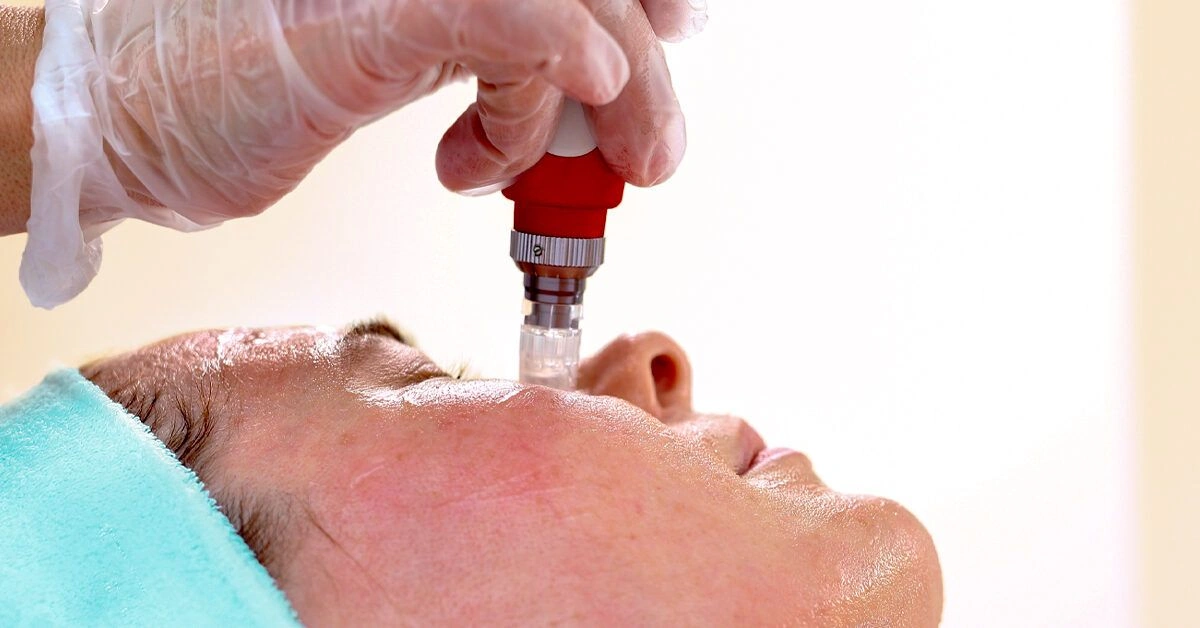
Microneedling is a cosmetic procedure intended to reduce the look of fine lines, creases, and under-eye puffiness. Also called collagen induction therapy, microneedling can be applied to many parts of the body to minimize scars and reduce age-related changes.

Microneedling around the eyes is sometimes paired with PRP (platelet-rich plasma) injections to promote cell renewal and speed healing. Some patients also use microneedling alongside topical serums rich in vitamin A or vitamin C to enhance outcomes. For guidance on post-procedure care, see microneedling aftercare.
Good candidates for under-eye microneedling are generally healthy and not pregnant. Consult your provider before starting microneedling if you:
- are currently receiving radiation or chemotherapy
- have a history of keloid scarring
- have an active acne flare
- use prescription-strength acne medications
How much does microneedling cost?
Microneedling is considered a cosmetic service and is not typically covered by insurance. Session fees can range from $100 to $700, and multiple visits are usually necessary for the under-eye area. Many clinics provide financing or payment plans to spread the cost.
Because the under-eye area is relatively small, treatments there can cost less than microneedling larger body regions.
Individual sessions usually last up to an hour. If you request a topical anesthetic such as lidocaine, or if serums or injections are added to the treatment, the appointment may be slightly longer.
Recovery time is short. You might experience some temporary side effects, but most people do not need to take time off work.
How does microneedling work?
Microneedling techniques have been used for over two decades. The core idea is that tiny controlled injuries stimulate collagen formation and improve blood flow beneath the skin. When effective, microneedling can enhance skin texture and elasticity in the treated zones.
The procedure uses very fine needles to produce a pattern of microscopic punctures — known as “microwounds” — which do not cause permanent injury. These microwounds close quickly, and while they’re healing, the body initiates a repair cascade that promotes new cell and capillary formation.
After healing, many people notice smoother, more even-toned, and more supple skin. Inflammation, puffiness, and under-eye bags may be reduced, as noted in a 2016 research review.
Much of the clinical research on microneedling has focused on scarring and stretch marks, but because under-eye issues are also tied to collagen loss, microneedling is a logical option for those concerns.
Procedure for microneedling under eyes
At your visit, you’ll be asked about your medical history and any medications you take to ensure the procedure is safe for you.
A topical numbing cream like lidocaine is commonly applied to the face and allowed to work for about 10 minutes or longer.
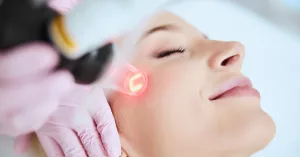
Once numb, the clinician will gently stretch the skin in several directions while moving the microneedling device across the area. You may feel mild stinging as the needles penetrate the upper skin layer; most patients report only minor discomfort.
Following the session, saline pads or ice packs may be placed under the eyes to decrease swelling, according to a 2016 review. The microneedling portion for just the under-eye region often takes less than 30 minutes.
Targeted areas for microneedling
Microneedling is not limited to the under-eye region. It’s widely used across the face and body to address scars and stretch marks. Common treatment areas include:
- stretch marks on thighs, abdomen, and torso
- enlarged pores
- hyperpigmentation
- age spots
- acne scars
Are there any risks or side effects
There are several possible side effects from microneedling that are typically short-term and mild:
- skin flaking
- swelling
- redness, discoloration, or irritation
A 2021 systematic review examining adverse events in more than 1,029 microneedling patients found serious complications to be exceedingly rare.
Nevertheless, because microneedling creates small skin punctures, there is a risk of infection if proper aftercare isn’t followed. Seek medical attention if you notice persistent bleeding, yellow or green discharge, or a fever above 103°F (39°C) following a treatment.
What to expect after microneedling?
Recovery is minimal, and most people can resume normal activities shortly after leaving the clinic.
Visible improvements may take some time. The treatment area might appear red, swollen, or discolored initially. Within a few days you may begin to notice increased firmness and elasticity, and with repeated sessions the skin often looks progressively more youthful. Full results typically appear after three to six treatments.
Results aren’t permanent; some people notice the treated area returning toward its prior appearance after a couple of months. Many practitioners recommend maintenance sessions every few months following the initial series.
You won’t usually need major lifestyle changes to maintain results. You’ll be advised to wear sunscreen on the treated area and to avoid heavy makeup for the first days after treatment. Ask your clinician about recommended skincare products or routines to help prolong benefits and address specific concerns such as lines under eyes.
Before and after pictures
Viewing before-and-after images from real patients can be helpful when evaluating expectations for under-eye microneedling.

Preparing for microneedling under the eyes
In the week leading up to your appointment, take these steps to prepare your skin:
- Avoid strong exfoliants or chemical peels, especially on the area to be treated.
- Stick to simple, fragrance-free skincare with minimal harsh ingredients.
- Avoid over-the-counter pain relievers (like NSAIDs) for three days before the procedure, as they can blunt the body’s natural inflammatory response and potentially reduce treatment effectiveness.
How to find a professional
While microneedling side effects are commonly mild, selecting an experienced provider is important for safety and good outcomes.
You can start by using professional search tools such as the American Academy of Cosmetic Surgeon’s Find a Surgeon resource. The American Society of Plastic Surgeons also offers a similar locator. Read reviews, ask questions about the provider’s experience with your skin type, and discuss any health issues before booking a consultation.
















Leave a Reply
You must be logged in to post a comment.