
When someone has heavy metal poisoning, physicians usually prescribe specific drugs to clear metals from the body. Certain dietary choices may also aid the removal process.

Heavy metal poisoning happens when various dense metals accumulate in your tissues. Everyday environmental and industrial sources — including the air you inhale and the food you consume — can expose you to elevated amounts of these metals.
Some metals, like zinc, copper, and iron, are essential in small quantities. Yet excessive exposure can produce heavy metal poisoning, which in extreme cases may be deadly.
Depending on how much exposure has occurred, doctors can use medications administered intravenously under supervision to extract these poisons. These drugs attach to the metals in a technique known as chelation. Your physician will assess metal levels using blood, urine, and hair analyses.
Chelation agents may be given by IV or taken orally; the medication bonds with the metal and the complex is then expelled via urine.
Alongside chelation, some people explore natural adjunct therapies, like a “heavy metal detox.” Most of these approaches lack robust scientific support. Still, there are dietary strategies that include foods thought to attract metals electrochemically and help escort them from your body.
Symptoms of heavy metal poisoning
Prolonged contact with metals can be harmful, producing a range of adverse effects from headaches to organ injury. Seeking medical attention is essential if you suspect metal toxicity.
Signs of heavy metal toxicity depend on which metal you’ve been overexposed to. Mercury, lead, arsenic, and cadmium are among the more commonly implicated culprits.
Short-term symptoms linked with these metals can include:
- headaches
- abdominal pain and cramping
- nausea
- vomiting
- diarrhea
- fatigue
- difficulty breathing
In more serious cases of chronic heavy metal exposure, you might notice symptoms such as:
- burning and tingling sensations
- recurrent infections
- brain fog
- vision problems
- insomnia
- paralysis
Foods that help and foods to avoid with heavy metal exposure
A significant portion of metal buildup in people arises from dietary sources. Some research suggests you can lower your risk of excess exposure by steering clear of particular foods. Eating items believed to assist in eliminating heavy metals may also be beneficial.
Below is a review of what the evidence indicates.
Foods to include
Certain foods may support detoxification by helping remove heavy metals from the body. These foods can bind metals and facilitate their elimination through digestion.
Consuming foods rich in vitamins and minerals can offer protective benefits for those at risk of metal exposure.
Foods often recommended to help with heavy metal removal include:
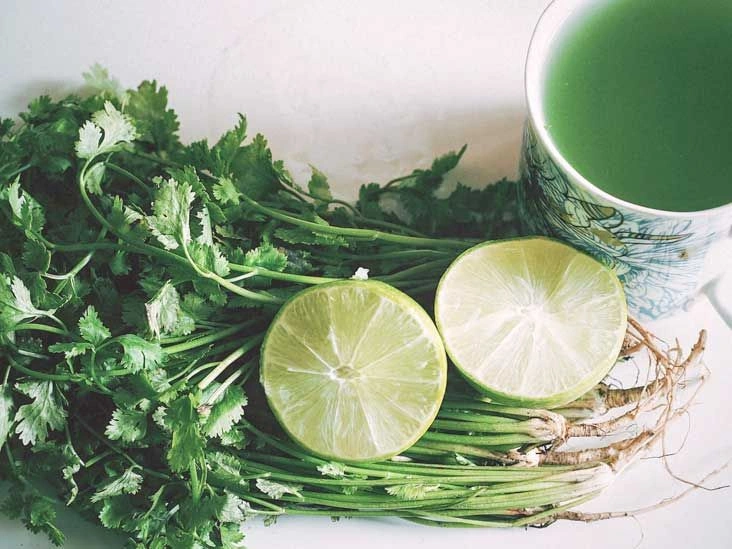
- cilantro
- garlic
- wild blueberries
- lemon water
- spirulina
- chlorella
- barley grass juice powder
- Atlantic dulse
- curry
- green tea
- tomatoes
- probiotics
If you’re not meeting recommended daily vitamin targets, consider supplementation.
Deficiencies in vitamins B, B-6, and C are linked to poorer tolerance of heavy metals and a greater risk of toxicity. Vitamin C has been reported to exhibit chelating properties for iron. In an older animal experiment, thiamine (B-1) supplements lowered iron concentrations.
Remember that the U.S. Food and Drug Administration does not regulate supplements for purity or quality the same way it does medications. Speak with your physician before beginning any supplement to ensure it won’t interact with medicines you already take.
You can also read about lifestyle approaches like how to detox your body to complement dietary strategies.
Foods to limit or avoid
A successful heavy metal detox is more than adding nutrient-dense produce — it also involves cutting out certain foods. Reducing or removing specific items from your diet can help prevent or lessen the impact of metal poisoning.
This is particularly relevant for processed fare and excess fats. These foods often lack valuable nutrients and may hinder detoxification, since fats can sequester harmful compounds you’re trying to eliminate.
Examples of foods to restrict or avoid during a heavy metal reduction plan include:
- rice (especially brown rice), which can contain arsenic
- some fish — particularly larger, long-lived species that accumulate more mercury
- alcohol
- nonorganic produce

Prognosis and final thoughts
Heavy metal toxicity can cause numerous harmful effects and, if ignored, may be life-threatening. Follow all prescribed medical treatments and consult your doctor about dietary measures that can reduce your risk of overexposure.
Detoxing and safely removing metal burdens from the body requires time, but it is achievable. Before embarking on any heavy metal detox diet or protocol, discuss your plans with your physician or a registered dietitian to review safe and effective options.






















Leave a Reply
You must be logged in to post a comment.