
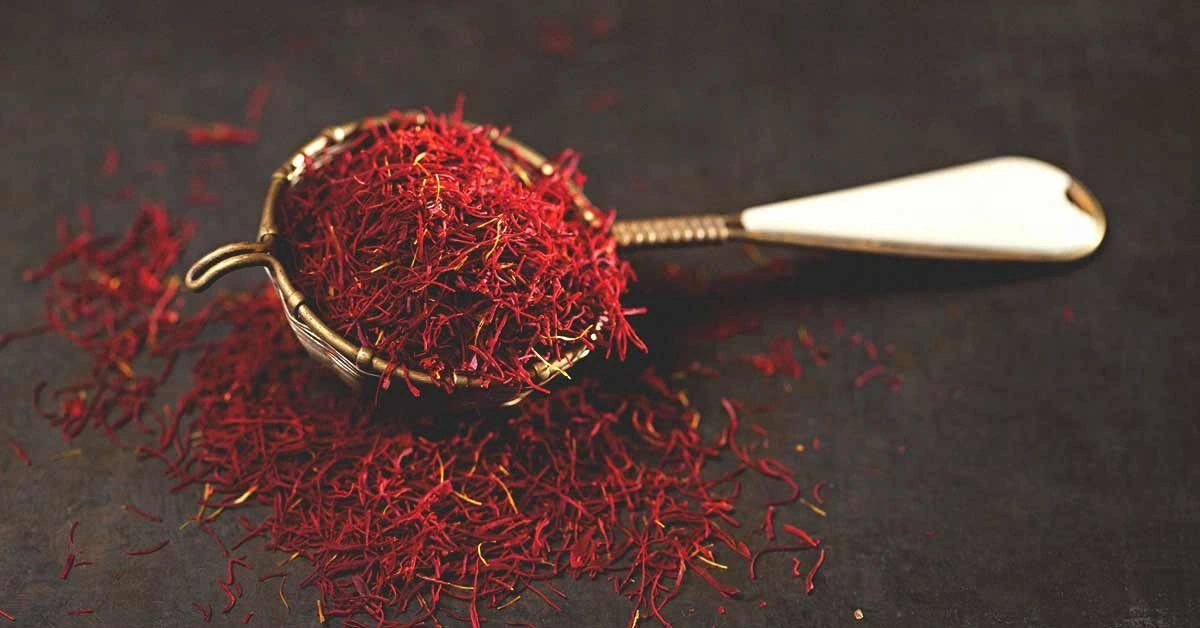
Saffron is a seasoning derived from the blossoms of the crocus sativus Linné. These crocus plants are native to the Middle East and certain regions of Europe, with Iran, India, and Greece among the primary growers.

The crocus blooms for roughly three to four weeks in October and November. Each bloom bears dark red stigmas, often referred to as threads, which are carefully plucked by hand and dried — these dried threads are what we know as saffron.
Historically and today, saffron has been used in cooking to impart color and flavor, as a textile dye, and as a component in fragrances. Like many herbs and spices, saffron can also be brewed into a tea.
Even now, saffron remains a prized spice both in the kitchen and as a traditional remedy for various ailments. Research has indicated potential benefits for several health concerns.
Continue reading to discover more about saffron’s background, its health advantages, and a simple method for making saffron tea.
What is the history of saffron?
The crocus saffron typically reaches a height of 20 to 30 centimeters (cm). When grown from seed, it may take up to three years before a crocus produces flowers. Each plant generally yields about three to four blossoms, and each blossom contains roughly three stigmas.
Saffron ranks among the costliest spices globally because its harvest is labor-intensive and manual. Producing 1 kilogram (kg) of saffron requires an immense number of flowers and dried stigmas.
Saffron’s use stretches back millennia — humans likely used it as far back as 3,500 years ago. Traditionally, it was applied to treat a wide range of ailments, such as:
- difficulties with urination
- menstrual problems
- eye ailments
- ulcers
- digestive complaints
- tumors
- mental health issues
What are the health benefits of saffron tea?
1. Antidepressant
Saffron is often nicknamed the “sunshine spice,” not only for its reddish and sometimes golden hues but because it’s thought to lift mood. There is some scientific evidence supporting these claims.
An earlier trial in the Journal of Ethnopharmacology reported that saffron performed comparably to the antidepressant fluoxetine (Prozac) for mild to moderate depression.
A review published in the Journal of Integrative Medicine analyzed multiple studies on saffron for depression in adults. The authors concluded that saffron did improve symptoms in people with major depressive disorder, suggesting it might serve as an option for those who can’t tolerate standard antidepressants.
2. Heart health
Saffron contains several bioactive compounds that could contribute to lowering blood pressure and offering cardiovascular protection.
A review of animal research found that saffron reduced blood pressure in rats. Other animal studies in rabbits indicated reductions in cholesterol and triglyceride concentrations.
One earlier human study in the Indian Journal of Medical Sciences suggested saffron may lower the risk of tissue damage caused by bad cholesterol. Researchers propose that saffron’s antioxidant activity might help protect against heart disease.
3. PMS treatment
Premenstrual syndrome (PMS) can bring a mixture of mood and physical symptoms that vary in severity among women. For those seeking relief without conventional medications, saffron appears to be a promising option.
A review in the Journal of Psychosomatic Obstetrics & Gynecology examined herbal remedies for PMS and the more severe premenstrual dysphoric disorder (PMDD). Saffron is mentioned as an effective treatment for these symptoms.
Another study in the International Journal of Obstetrics & Gynaecology evaluated saffron in women aged 20 to 45 and found that 15 mg twice daily effectively reduced PMS symptoms.
4. Boosts memory
Saffron is a source of crocin and crocetin, two compounds that may support learning and memory processes. A study published in Phytotherapy Research using mice showed improvements in learning and memory deficits after saffron exposure. These findings hint at potential applications for neurodegenerative conditions such as Alzheimer’s and Parkinson’s disease.
5. Cancer prevention
Saffron is abundant in antioxidants and flavonoids. Antioxidants defend the body against damaging agents, while flavonoids — plant-derived compounds — help protect plants and may provide benefits to humans.
A 2015 review in the Journal of Traditional and Complementary Medicine reported that saffron’s chemical constituents might have preventive and therapeutic effects against several cancers. However, researchers emphasize the need for more human-based studies.

Where to buy saffron
When purchasing saffron, choose a trusted seller. You can find it in supermarkets, specialty food shops, or reputable online retailers. Because saffron is costly, it’s often subject to adulteration. Some producers may dilute saffron with other substances to cut costs, which diminishes its potency and could pose risks.
How to make saffron tea
Saffron tea can be made simply by steeping the threads in hot water. The spice can be quite potent and slightly bitter, so many people blend it with other teas, herbs, or spices to balance the flavor.
Basic methods typically call for boiling water, adding saffron and any additional ingredients in a saucepan, then steeping like you would a teabag for about five to eight minutes. Remove the threads and serve.
This recipe from Eat Beautiful pairs saffron with cardamom and uses either raw milk or coconut milk for a creamier cup.
You can also sip saffron tea chilled. An iced variation from Ciao Florentina combines saffron with elements like basil, lemon, and honey.
For more on topical uses and skin benefits, you may also find useful information about the benefits of saffron for skin.

















Leave a Reply
You must be logged in to post a comment.