
You may be able to firm loose skin at home using remedies such as skincare products and supplements that contain hyaluronic acid and collagen. Exercise, targeted weight loss, and minimally invasive treatments can also be effective.
Loose skin can develop for many reasons — pregnancy, aging, or significant weight change — but it’s often possible to improve its appearance.
Options to tighten loose skin range from natural approaches (supplements and lifestyle adjustments) to surgical and nonsurgical cosmetic interventions.
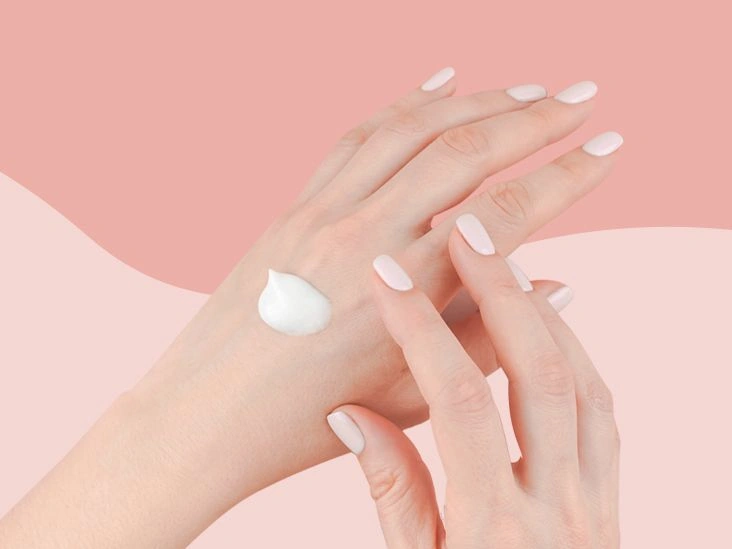
Firming creams
A quality firming cream often includes retinoids, says Dr. Alyson Wells, founder and medical director of Valley Plastic Surgery and Medi-spa.
Retinoids are vitamin A derivatives and include:
- tretinoin (prescription)
- retinoic acid
- adapalene
These compounds boost the growth, maturation, and turnover of skin cells, Wells explains.
She also advocates using creams with hyaluronic acid, a molecule that pulls in and retains water. Hyaluronic acid can:
- lessen the depth of wrinkles
- improve skin elasticity and firmness
- smooth rough skin texture
Wells advises steering clear of skincare products that contain lanolin because of the relatively high incidence of contact dermatitis (an allergic skin reaction) linked to it.
Supplements
There’s no single supplement that will magically firm loose skin, but some may provide benefit. Check with your physician or a registered dietitian before starting any new supplements.
A 2022 review found that oral and topical collagen supplements may help improve skin firmness. Collagen supplementation can also support:
- skin hydration
- the appearance of fine lines and wrinkles
- skin texture
Hyaluronic acid is sold as a supplement as well. There’s less research on its direct role in tightening skin but strong evidence that it enhances hydration. Because some loose skin is partly due to loss of moisture, extra hydration could be beneficial.
In a 2023 clinical trial including 129 women of various ages, participants took either 100 mg or 200 mg daily. Researchers reported that oral hyaluronic acid:
- boosted skin hydration within 2 to 8 weeks
- improved skin tone after 4 to 8 weeks
- increased skin thickness by 12 weeks
Exercise
Building muscle through resistance training can reduce the appearance of loose skin, particularly when the laxity follows weight loss.
When fat stretches the skin for a prolonged period, it can reduce the skin’s ability to retract. Replacing some of the lost volume with muscle may improve how the skin looks.
If your loose skin is from a recent pregnancy, check with your healthcare provider before beginning exercise, as certain movements should be avoided.
Facial exercises have been trendy since the 1960s, but scientific support that they tighten loose skin is limited. Most accounts are anecdotal and based on individual experience rather than robust research.
How much exercise do I need?
Adults should aim for at least 30 minutes of moderate activity on most days (about five days weekly). Activities can include:
- brisk walking
- cycling
- swimming
- hiking
Additionally, incorporate moderate- to high-intensity strength-training sessions at least two days per week.
If you’re new to working out, gradually work toward a 30-minute daily goal.
Weight loss
Subcutaneous fat beneath the skin can make the skin appear loose. This fat commonly gathers around the:
- hips
- buttocks
- thighs
- abdomen
Losing excess fat in these areas may help the skin look firmer.
To reduce fat, you need to maintain a calorie deficit and focus on exercises that encourage fat loss or are considered “fat-burning.”
Cosmetic procedures
There are numerous nonsurgical and minimally invasive options to address loose skin, including:
- Chemical peels: Removing the outer layer of aged skin on the face and neck can reduce the look of sagging or wrinkled skin and reveal fresher skin beneath.
- Ablative laser resurfacing: Also called “laser peeling,” this removes the top skin layer and heats underlying layers to stimulate collagen formation, similar to a chemical peel.
- Ultrasound skin tightening: This method uses heat delivered by focused ultrasound to heat deeper skin layers and encourage collagen production.
- Radiofrequency ablation or microneedling: These treatments heat the skin to trigger collagen synthesis and are minimally invasive.
- IPL/RF combination treatments: Combining intense pulsed light (IPL) with radiofrequency (RF) heats both surface and deeper layers to promote collagen growth.
- Neuromodulators: Often known by brand names such as Botox, these injections relax facial muscles and help smooth wrinkles; they must be administered by a trained professional.
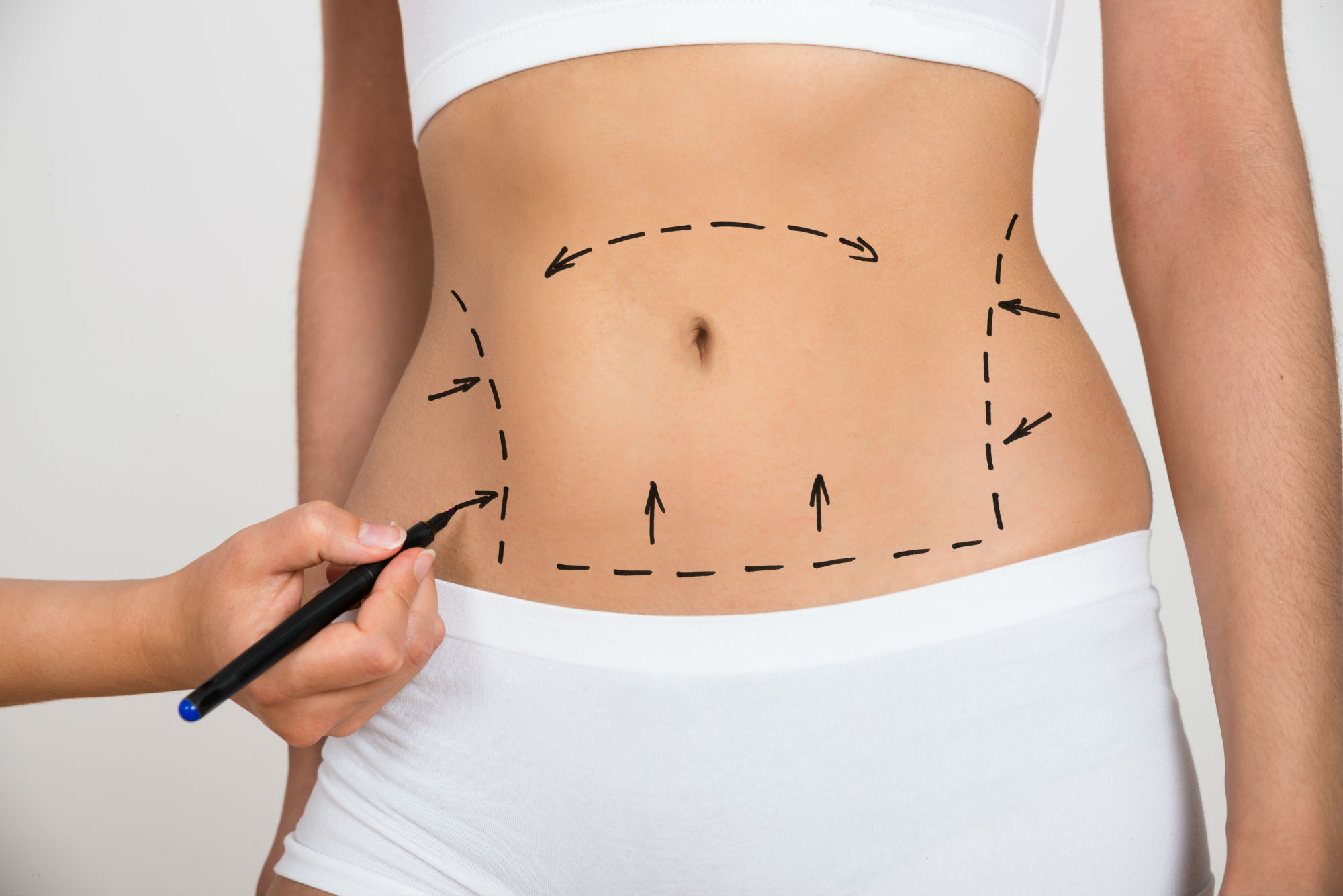
Surgical options — often called body-contouring, tuck, or lift procedures — remove excess skin and fat through incisions and are usually followed by a hospital stay and home recovery time.
If less invasive approaches don’t deliver the outcome you want, consult a physician or plastic surgeon to discuss whether body-contouring is appropriate for you.
Takeaway
Loose skin is common after events like pregnancy, significant weight loss, or as part of the aging process.
Although you may not be able to completely eliminate or prevent loose skin, several strategies can reduce its appearance.
Consider supplements such as hyaluronic acid or collagen and use skincare products containing these ingredients. If your loose skin follows weight loss, exercise may also help. Other options include massage, cosmetic treatments, or surgical procedures. For concerns like loose skin after weight loss, consult a healthcare professional about the best approach for your situation.



















Leave a Reply
You must be logged in to post a comment.