
Between frequent bathroom trips, fuzzy-headed moments, and less-than-ideal control over your — ahem — flatulence, pregnancy can introduce some peculiar changes to your body. Blame it on shifting hormones.
And if you’re like many, pregnancy cravings are another quirky side effect. These urges can be intense and, honestly, pretty strange. Yes, another third pickle-and-peanut-butter sandwich, please.
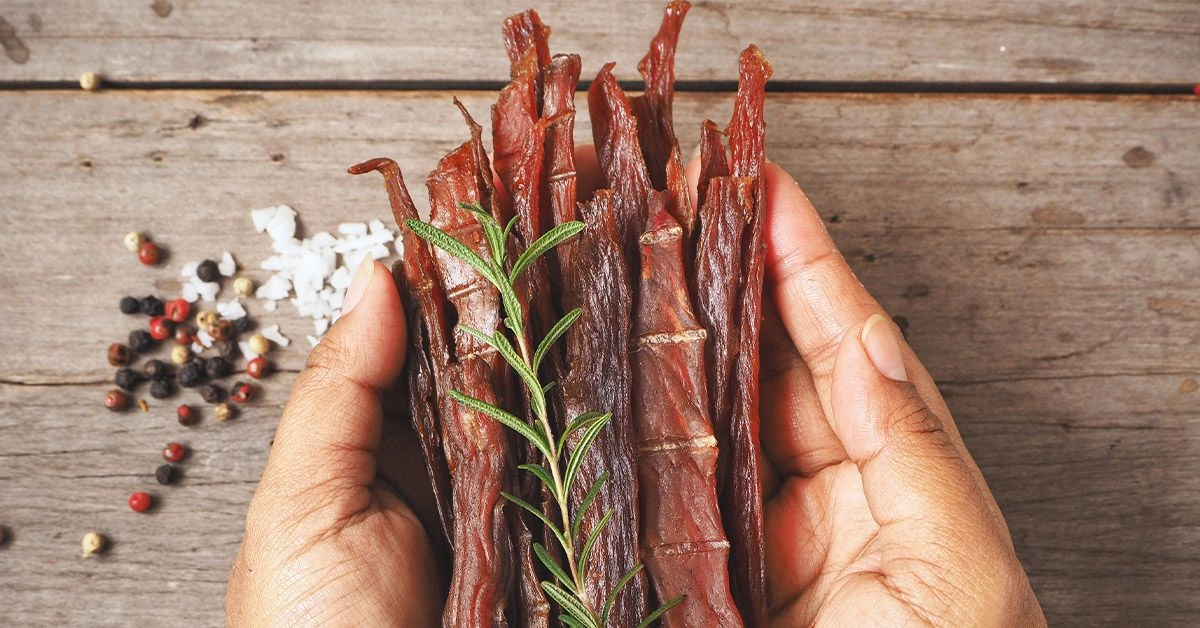
Not all cravings involve bizarre pairings. Sometimes you simply long for a straightforward, familiar snack — like beef jerky.
But before you reach for that Slim Jim or convenience-store bag, consider pausing. What may have been a harmless snack before pregnancy might carry risks now. Let’s break down why beef jerky can be problematic while you’re expecting.

What are the risks?
Beef jerky is a convenient, tasty snack available nearly everywhere.
It’s meat — and eating meat during pregnancy isn’t inherently wrong. However, jerky differs from other meat products. You may not have thought much about how jerky is made — and most people don’t.
Still, you’ve likely been cautioned about consuming undercooked animal products while pregnant because of potential foodborne infections.
Foodborne illness and toxoplasma
Anyone can contract a foodborne illness, but pregnancy can weaken the immune system, increasing your vulnerability. That means your body might struggle to fend off bacteria that cause infections.
One such culprit is toxoplasma. Not only can it make you ill, but it can also harm your baby.
You might be thinking: But jerky isn’t raw — so what’s the concern?
True, jerky isn’t raw, yet it isn’t cooked in the conventional way either.
High-heat cooking kills many harmful microbes. Jerky is dehydrated meat, and drying doesn’t always eradicate all bacteria. When you pick up store-bought jerky, you can’t know the exact temperatures used during drying.
So with every bite of jerky, there’s a degree of risk.
Toxoplasmosis is a relatively common infection and often causes mild or unnoticed symptoms in healthy people, sometimes resolving on its own.
However, because this infection can lead to congenital problems, it’s wise to minimize exposure during pregnancy. That means washing fruits and vegetables before eating, cleaning your hands after handling undercooked meats, and yes — steering clear of beef jerky.
Salt and spikes in blood pressure
Foodborne illness isn’t the only reason to avoid jerky. Jerky is typically very salty, and while a piece might quickly satisfy a craving, its sodium content can cause your blood pressure to rise.
Depending on how much you eat, increased blood pressure is unhealthy for you and your developing baby. Excess salt can also worsen swelling and discomfort.
Elevated blood pressure during pregnancy raises the chances of preterm labor and conditions like preeclampsia.
Alternatives you might enjoy
If a beef jerky craving won’t quit, there are safer options.
One choice is to cook a steak (or have someone else do it). Make sure it’s thoroughly cooked to well done — that’s an internal temperature of 165°F (74°C). Well-done meat can still be tasty; seasoning and spices go a long way. A generous grind of black pepper might mimic some of the jerky’s bite.
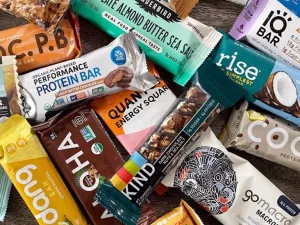
Or try plant-based or vegetarian jerky made from ingredients such as eggplant, jackfruit, tofu, or mushrooms. These won’t taste exactly like beef jerky, but they can be savory and satisfying.
Be mindful, though: plant-based jerky is still processed and often high in sodium. The same caution applies to well-cooked bacon — safe when cooked through, but salty.
Microwaving or oven-heating packaged jerky to try to kill bacteria might help, but there’s no guarantee. Play it safe and skip jerky for now — you can reintroduce it after pregnancy.
We hate to be jerks, but… it’s not just jerky
We don’t want to sound like a buzzkill, but this guidance extends beyond beef jerky. In general, avoid foods that aren’t thoroughly cooked and unpasteurized beverages.
Foods and drinks to steer clear of include:
- sushi
- sashimi
- raw oysters
- raw scallops
- raw cookie dough (baked cookies are fine)
- raw eggs and foods made with them, like homemade mayo
- undercooked meat, poultry, and seafood
- raw sprouts
- pre-made deli chicken and tuna salads
- unpasteurized milk, juice, and apple cider
- raw milk cheeses such as some feta
- deli meats — these are okay if reheated to 165°F
Make a habit of reading labels and avoid items labeled smoked, nova-style, kippered, jerky, or lox.
Hot dogs, lunch meat, cold cuts, and dry sausages are acceptable if you reheat them until they reach an internal temperature of 165°F before eating.
When cooking poultry and other meats at home, don’t rely on appearance alone. Use a food thermometer to confirm an internal temperature of 165°F.
Talk to your doc
If you’re already coping with nausea and vomiting, it can be tough to tell normal pregnancy queasiness from a foodborne illness. Signs that point toward an infection include:
- fever
- flu-like symptoms
- muscle aches
- skin rash
- sore throat
If you have these symptoms and think you may have eaten undercooked meat or seafood, contact your OB-GYN right away.
Treatment for illnesses
A blood test can detect toxoplasmosis. Your doctor may also recommend an amniocentesis, which can evaluate the fetus for infections.
If an infection is confirmed, treatment typically involves antibiotics that are safe for the unborn baby.
And now, for the good news
There’s some positive news: while certain items — including meat jerkies — should be avoided, most foods remain safe during pregnancy.
This can be a good time to swap processed snacks for more nourishing choices — you’re already hydrating a lot, so why not aim for a balanced diet too?
Consider adding:
- lean proteins, such as properly cooked fish, poultry, red meat, and turkey
- egg whites
- fresh fruit
- pasteurized milk and dairy products for calcium
- pasteurized orange juice
- fresh vegetables like carrots, sweet potatoes, broccoli, spinach, and other leafy greens rich in folate
- whole-grain breads, rice, and cereals
- peanut butter
- low-mercury fish such as flounder, haddock, whitefish, and trout
If you’re experiencing hip discomfort as your pregnancy progresses, consider reading more about pregnancy hip pain for tips and management strategies.
The takeaway
Resisting a beef jerky craving can be tough, but it’s doable. If nothing else works, opt for a well-cooked steak, plant-based jerky, or other thoroughly cooked lean protein. Those choices should help satisfy strong cravings while keeping you and your baby safe.













Leave a Reply
You must be logged in to post a comment.