

A hot flash is a sudden, intense rush of warmth that spreads over your body. You can experience them around your menstrual cycle due to shifting hormones or other causes.
They commonly affect the face, neck, and upper chest and can last anywhere from a few seconds to several minutes.
Typical signs of a hot flash include:
- reddened, flushed skin
- faster heartbeat
- profuse sweating
- chills as the episode wanes
Although many people link hot flashes with menopause, they can also occur during the menstrual cycle well before menopause. Other health issues can also trigger them.
Could hot flashes be a symptom of perimenopause?Hot flashes may be caused by perimenopause. Perimenopause most often begins in the mid-40s to mid-50s, but it can start in the mid- to late-30s. If you’re in early perimenopause, you may notice additional signs, such as shorter or less frequent menstrual periods.
While hot flashes can sometimes point to an underlying medical problem, they’re usually not worrisome if they’re not accompanied by other concerning signs.
Continue reading to learn more about hot flashes tied to your period, including why they occur, when they might suggest early menopause, how to cope with them, and when to seek medical advice.
Why do hot flashes happen during my period?
Hot flashes most often result from fluctuations in hormone levels.
For instance, during menopause, levels of estrogen and progesterone drop sharply, which is why people in perimenopause or menopause frequently experience hot flashes.
Comparable hormonal shifts occur across the menstrual cycle and contribute to premenstrual syndrome (PMS), which for some people can include hot flashes.
After ovulation around day 14 of your cycle, progesterone rises. This can cause a subtle rise in body temperature, often too slight to notice.
As progesterone climbs, estrogen may decline. This drop can influence the hypothalamus, the brain region that helps regulate body temperature.
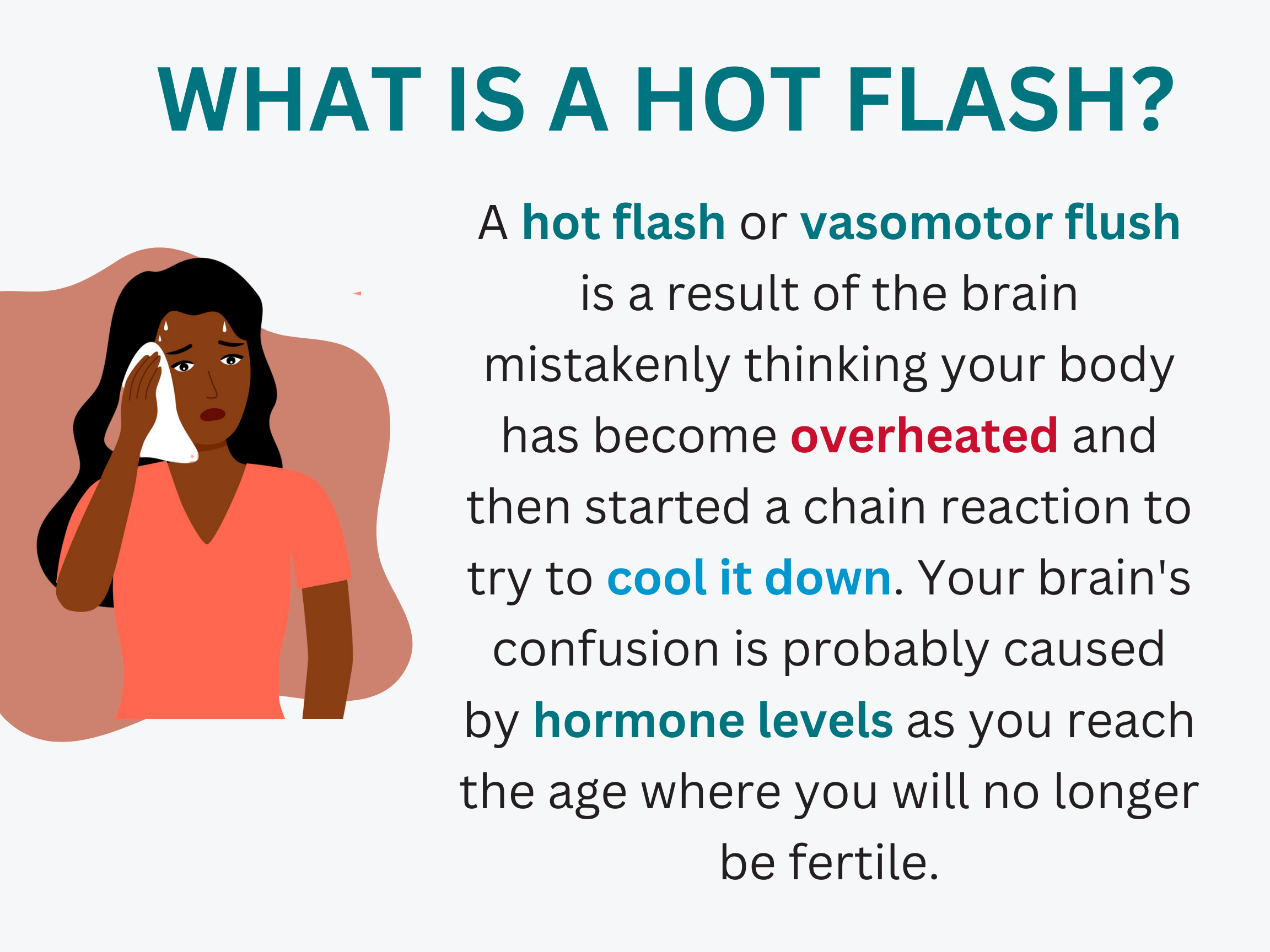
In response to reduced estrogen, the brain may release norepinephrine and other signaling chemicals, making it more reactive to minor changes in core temperature.
Consequently, it may trigger sweating to cool you down even when your body isn’t actually overheated.
Medical PerspectiveHot flashes during the menstrual cycle may reflect early shifts in ovarian hormone output and could be a sign of perimenopause. While isolated episodes can be normal, it’s important to consult a clinician to exclude other causes and decide on appropriate treatment.— Stacy A. Henigsman, DO, MSCPLearn more about how your sex hormones affect menstruation and other functions.Quotes represent the opinions of our medical experts. All content is strictly informational and should not be considered medical advice.
Can hot flashes be a symptom of early menopause?
While some people experience hot flashes as a PMS symptom, for others they can signal early menopause, also called primary ovarian insufficiency (POI).
POI produces menopause-like symptoms earlier than the usual mid-40s to 50s timeframe. Despite its name, research shows ovaries can still function in POI, though their activity is unpredictable.
POI signs may include:
- infrequent or irregular periods
- hot flashes or night sweats
- mood swings
- concentration difficulties
- reduced libido
- painful intercourse
- vaginal dryness
POI can also raise your risk for cardiovascular disease, bone fractures, and fertility challenges.
If you have POI symptoms and hope to become pregnant, mention these symptoms to your healthcare provider promptly. Treating POI may improve your future chances of conceiving.
Could something else be causing hot flashes?
Occasionally, hot flashes around your period may point to another medical condition or be a side effect of medications.
Other possible causes of hot flashes include:
- nutrient shortfalls, such as low vitamin D or inadequate calcium
- infections, from mild common infections to more serious ones like tuberculosis or endocarditis
- thyroid disorders, including hyperthyroidism, hypothyroidism, or thyroid cancer
- HIV
- low testosterone
- alcohol use disorder
- a pituitary or hypothalamic tumor
- cancer and cancer therapies, especially breast cancer treatment

Anxiety and stress can mimic hot flash symptoms. For example, an adrenaline surge related to stress can cause flushed skin, a racing heart, and sweating.
Certain medicines can also produce hot flashes as a side effect, including:
- nifedipine (Procardia)
- nitroglycerin (Nitrostat)
- niacin
- vancomycin (Vancocin)
- calcitonin
- some breast cancer therapies
- antidepressants such as selective serotonin reuptake inhibitors (SSRIs)
Is there any way to manage them?
Hot flashes can be distressing, but several lifestyle strategies may help lessen their intensity or make them easier to handle:
- Adjust your diet: Reduce intake of caffeine, alcohol (especially red wine), spicy dishes, aged cheeses, and chocolate. These items can trigger or worsen hot flashes.
- Dress in layers: Layering clothing lets you remove an item when a hot flash starts. Choose airy, breathable fabrics like cotton. Keeping fans on or windows open at home and work can help.
- Quit smoking:If you smoke, seek help from a healthcare professional to quit. Smoking may amplify hot flashes and their severity.
- Practice relaxation:Try deep breathing, yoga, or meditation. While relaxation may not directly stop hot flashes, it can make them easier to cope with and improve overall wellbeing.
- Stay hydrated:Carry cool water and sip it when you sense a hot flash coming on.
- Exercise:Aim for regular physical activity most days. Exercise has many health benefits and may reduce the frequency of hot flashes.
- Include soy:Soy contains phytoestrogens that may act like estrogen in the body. Some studies indicate soy consumption might ease hot flashes. Other supplements may also help.
- Use a chilled cloth:Keep a small towel in the refrigerator to place on your face or neck during an episode. A cool cloth or ice pack can provide the same relief.
Medical options such as hormone replacement therapy or low-dose antidepressants can also reduce hot flashes for some people.
If hot flashes occur frequently or severely enough to disrupt daily life, discuss treatment possibilities with your clinician.
When should I talk with a doctor?
If you only experience hot flashes just before or during your period without other symptoms, they’re probably not serious. Nevertheless, it’s reasonable to check in with your healthcare provider for reassurance.
Seek medical attention if hot flashes are regular and accompanied by:
- changes in appetite
- trouble sleeping
- fever
- unexplained weight loss
- an unexplained rash
- swollen lymph nodes
Consider seeing a therapist if hot flashes are linked to mood shifts or heighten anxiety and stress.
You can consult a primary care or family physician for general evaluation, or an obstetrician/gynecologist (OB-GYN) who focuses on reproductive health. Depending on the suspected cause, a specialist referral may be recommended.
Find a medical specialist in your area today
Your healthcare team may include several professionals who can offer support.
In some cases, a specialist will be necessary to diagnose, manage, or treat a condition.
Possible specialists you can locate in your area include:
The bottom line
Hot flashes during your period can be a manifestation of PMS or a possible sign that you’re entering perimenopause or menopause. They can also reflect an underlying issue like nutrient deficits or thyroid disease.
Schedule an appointment with your healthcare provider if you routinely experience hot flashes during your period, particularly if you’re younger than 40. For related guidance on managing menstrual symptoms and discomfort, see what to eat during period and information about vulvar pain during period.


















Leave a Reply
You must be logged in to post a comment.