
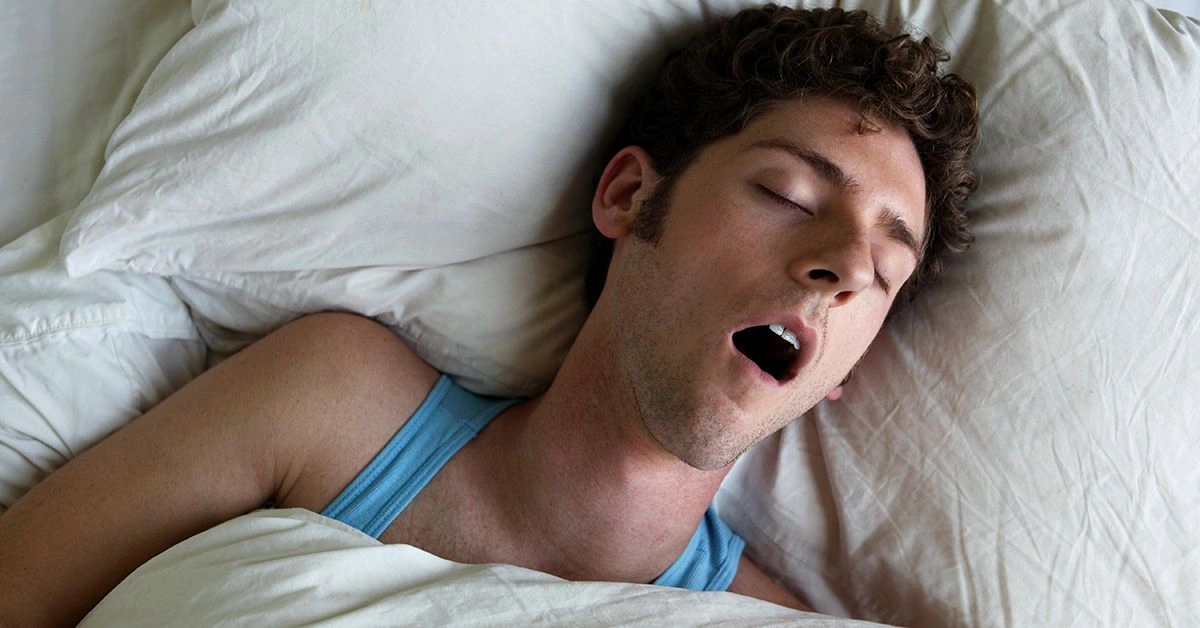
You can end up biting your tongue during sleep because of underlying problems such as facial muscle spasms, seizures, Lyme disease, and other conditions. Addressing these root causes can often stop nocturnal tongue biting.
Biting your tongue usually makes you want to shout “ouch.” While exact numbers aren’t available, clinicians note that nearly everyone bites their tongue occasionally.
That said, tongue biting frequently occurs during sleep. Seizures and any disorder that causes facial muscle spasms may trigger tongue injuries at night.
If you repeatedly bite your tongue you may develop ulcers, infections, or a condition known as “scalloping” along the tongue’s edge. For this reason it’s important to seek care if tongue biting is a recurring problem.

Causes of tongue biting during sleep
Several factors can make you bite your tongue while asleep. Daytime tongue bites usually happen when you’re awake and aware, but nighttime bites are typically unconscious. In many instances, an underlying medical issue is responsible for biting the tongue during sleep.
Bruxism
Bruxism — grinding or clenching of the teeth — is a common movement disorder that often occurs during sleep. It primarily affects the teeth and jaw, causing soreness and damage, but can also lead to biting of the tongue and cheeks. The exact cause of bruxism is unclear, though it may relate to dreaming or arousal during sleep.
Facial muscle spasms
Spasms of the facial and jaw muscles can provoke tongue biting at night. This condition is more common in children and may produce an uncontrollable trembling of the chin during sleep.
People with these spasms lose voluntary control of facial and jaw muscles during sleep and may bite their tongues. This disorder is sometimes referred to as “faciomandibular myoclonus.”
Illicit drug use
MDMA (often called “molly” or ecstasy) is an illegal stimulant that induces intense euphoria and appears to provoke bruxism, potentially causing severe damage to teeth, cheeks, and the tongue.
Although researchers aren’t certain why MDMA leads to bruxism, some propose it heightens the urge to chew or clench. Animal studies suggest MDMA may reduce the ability to keep the jaws open.
Lyme disease
Lyme disease is a complex infection that may affect the central nervous system and reflexes, sometimes causing accidental biting of the tongue or cheeks. Other indicators of Lyme disease include:
- unusual sensitivity to heat or cold
- extreme tiredness
- slurred speech
- frequent diarrhea
- changes in vision
- widespread pain and tingling sensations
Nighttime seizures
Seizures during sleep are a frequent cause of tongue biting. During a seizure, people with epilepsy lose voluntary control of their muscles and may unknowingly clamp down on their tongue. Bites typically affect the tip and sides of the tongue. Around 50 million people worldwide live with epilepsy.
Rhythmic movement disorder
Rhythmic movement disorder emerges when someone is drowsy or asleep and causes repetitive body motions. It is most often seen in children and can include humming, rocking, head banging, or rolling. Rapid repetitive movements may lead to tongue biting.
Sleep apnea
While sleep apnea itself doesn’t directly cause tongue biting, people with sleep apnea frequently experience tongue injuries. This is often because they have a large tongue or the oral muscles relax excessively during sleep.
Relaxed mouth muscles and a relatively large tongue can increase the chance of biting the tongue. Other common signs of sleep apnea include:
- loud snoring
- gasping for air at night
- morning headaches
- excessive daytime sleepiness
Signs that you’ve bitten your tongue while sleeping
It can be difficult to know you’ve bitten your tongue at night, but certain symptoms may alert you to nocturnal tongue biting. These include:
- bleeding of the tongue
- redness or swelling
- pain
- cuts or marks
- tongue ulcers
- raw or scalloped tongue edges
Treatment for tongue biting
Treating tongue biting usually means addressing the underlying disorder causing it.
People with sleep bruxism or sleep apnea may find using a night mouthguard helpful. Consult a dentist or physician to determine the right device for you. Treatments for sleep apnea can also include:
- weight reduction
- quitting smoking (which can be challenging — ask a doctor for a tailored quit plan)
- CPAP therapy
- surgical options
If illicit drugs are behind your tongue biting, stopping use is typically sufficient to resolve the problem. If you need assistance quitting or still have health issues after stopping, seek medical help.
Nighttime seizures related to epilepsy are best managed with antiseizure medications. People with nocturnal facial and jaw spasms may also respond to antiseizure drugs, researchers report.
Most children outgrow rhythmic movement disorder. If your child has hurt themselves while sleeping, consult their pediatrician.
Follow your physician’s Lyme disease treatment plan, which typically includes antibiotics plus supportive therapies to reduce symptoms.
Minor tongue injuries generally heal quickly without specific treatment. However, seek care if you notice ulcers, persistent redness, excessive bleeding, pus, or deep lacerations. Also consider evaluation for related behaviors such as cheek biting if appropriate.
Preventing tongue biting during sleep
If you’ve bitten your tongue while sleeping before, several strategies can help reduce the chance of it happening again.
Sleep study
To properly treat tongue biting you often need to identify and manage any underlying sleep-related disorders. A physician can refer you to a specialist for a sleep study to investigate further.
A sleep study usually involves spending one or two nights in a sleep center where clinicians record body functions using electrodes and monitors.
Recordings of brain waves, eye movements, muscle activity, heart rhythm, and breathing can help determine what’s causing the tongue biting and guide appropriate treatment.
Mouthguard
A mouthguard can protect the tongue and teeth for many who bite during sleep. Because mouths vary, ask your dentist or doctor which style suits you best. You can opt for a custom-fitted guard or a less expensive over-the-counter version.
Reduce stress
Stress is a major trigger for bruxism that can lead to tongue biting. Reducing daytime stress may lower your risk. Consider relaxation techniques such as deep breathing, meditation, or yoga to promote calm.
Avoid illegal drugs
Steer clear of illicit substances like MDMA, which raise the risk of bruxism. Greater dose and frequency of use make adverse effects more likely.
Medication adherence
If you take antiseizure medications, following your prescription schedule can help prevent seizures and related tongue biting. If you still have seizures or tongue injuries while on medication, discuss dose adjustment with your doctor.
Takeaway
Occasional tongue biting happens to everyone. Frequent nocturnal tongue biting, however, often signals an underlying medical issue that should be treated to reduce harm. Managing conditions such as sleep apnea, epilepsy, or bruxism is key to preventing recurrent tongue injuries.
If the cause of your tongue biting is unclear, a sleep study may help identify the problem. Speak with a doctor about whether a sleep evaluation could be helpful for you.




















Leave a Reply
You must be logged in to post a comment.