
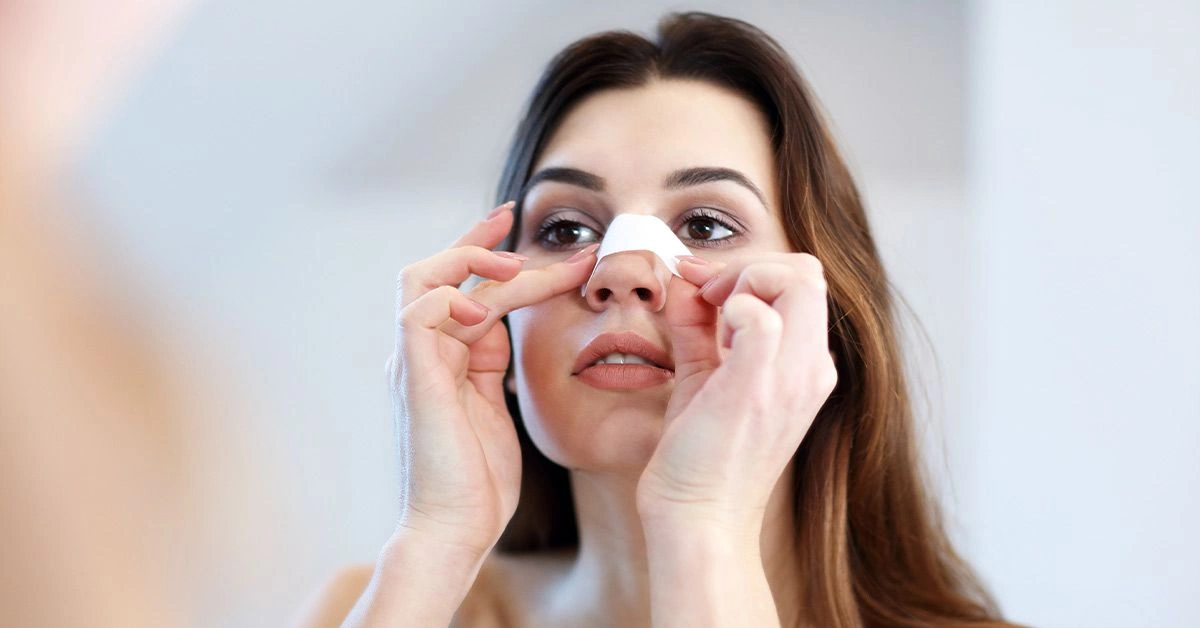
Your nose and the surrounding skin can turn red from conditions that irritate the skin. In some cases, redness around the nose reflects an infection or an allergic response.
Short-lived redness near your nostrils is common. External influences such as cold winds, low temperatures, or allergens may inflame the delicate skin beneath your nose and around your nostrils.
You might be looking for explanations because this keeps happening to you and you want to know whether it’s a concern, or you may simply want a quick way to calm it down.

This piece outlines several potential causes of redness around the nose, discusses treatment options, and suggests preventive steps for each one. Remember that redness may appear as a deep reddish-brown on darker skin tones rather than bright red.
Immediate remedies
How you treat redness around your nose should depend on the underlying cause. Still, there are general at-home measures that can lessen inflammation and visible redness.
Any facial products you use should be oil-free and noncomedogenic, meaning they won’t block pores.
For dryness, sunburn, windburn, and other irritation-related causes: Apply a hypoallergenic moisturizer to soothe the area, such as formulas from Vanicream or CeraVe.
For acne, rosacea, and bacterial infections: You may need to trial different topical moisturizers to find what your skin tolerates, since the area can react to many products. Vanicream and CeraVe are two lines that many people find gentle.
For contact dermatitis and allergic responses: Consult your dermatologist about whether a low-strength topical steroid or a steroid alternative is appropriate to reduce inflammation.
Things to avoid
When treating redness around the nose, take care not to aggravate the skin further. If possible, skip makeup for a day or two to avoid worsening the redness and to help recovery.
Depending on the cause, you may want to steer clear of ingredients such as witch hazel and rubbing alcohol, which can worsen the appearance of redness.
Avoid other triggers that make blood vessels more obvious, such as drinking alcohol and eating very spicy foods.
Rosacea
Rosacea is a long-term skin disorder that can create redness, frequent flushing, and visible blood vessels. It’s relatively common but currently has no cure.
Erythematotelangiectatic (ETH) rosacea and acne rosacea are subtypes that can produce breakouts and persistent redness around the nose.
How to treat the redness
Redness from rosacea is managed differently than redness from other causes.
Avoid products containing witch hazel and menthol (often present in toners) and other harsh exfoliants.
Prescription topical medications can help reduce redness. Laser therapy is also an effective option for persistent facial rosacea redness.
Lifestyle recommendations
People with rosacea usually need to identify and avoid triggers to reduce flare-ups.
Common triggers include spicy foods, alcoholic drinks, and prolonged sun exposure.
Those with rosacea should use a high-SPF sunscreen or a physical sunblock like zinc oxide, and wear sun-protective clothing.
Acne
Acne frequently affects the area around the nose. Frequent touching or picking at the nose can inflame pores near the nostrils. Clogged pores there can be painful and may take time to improve.
How to treat the redness
Acne on and around the nose may respond to over-the-counter treatments such as salicylic acid or benzoyl peroxide, combined with an OTC topical retinoid like Differin Gel (adapalene 0.1 percent), available online or at pharmacies.
Use caution when applying these treatments because the skin around the nose is delicate and prone to irritation.
Lifestyle recommendations
Keep your skin clean and avoid excessive face touching, which can worsen acne. If you are prone to breakouts, limit sun exposure and avoid tanning beds.
Skin irritation
Skin irritation can result briefly from rubbing or scratching and commonly causes redness around the nose and above the lips.
Often this occurs when you have a cold or the flu and touch your nose more frequently than usual.
How to treat the redness
Many times, skin irritation resolves on its own within an hour or two. A soothing, hypoallergenic moisturizer or pure aloe vera gel can help calm some of the redness.
Any facial products should be oil-free and noncomedogenic.
Lifestyle recommendations
Try not to touch your nose when possible. Each time you touch your nostril, you risk introducing germs from under your nails to a sensitive mucous membrane.
Using a skin moisturizer creates a protective barrier and reduces irritation from frequent contact.
When you have an itch or need to blow your nose, keep your nails trimmed and use an unscented, soft tissue to clear the area.
Windburn
Windburn is a stinging or burning sensation after exposure to cold, gusty air. It can produce redness and peeling around and beneath your nose.
How to treat the redness
Apply a topical moisturizer to help reduce redness while your skin heals. Choose a fragrance-free, hypoallergenic formula to avoid further irritation.
Lifestyle recommendations
When it’s cold and windy outside, protect your face with a scarf or high collar and wear sunscreen. UV rays can reflect off snow, so sun protection is important even in winter.
Allergic contact dermatitis
Allergic contact dermatitis occurs after direct contact with an allergen and typically causes an itchy, uncomfortable rash.
Scented tissues, fragrances, and certain skin-care products can trigger allergic contact dermatitis around the nose.
How to treat the redness
First, gently rinse your face with warm water to remove any trace of the allergen. Over-the-counter 1 percent hydrocortisone can treat mild allergic contact dermatitis.
Use this carefully because topical steroids can cause side effects like acne or worsening of certain facial rashes.
Stop using the suspected allergen and switch to hypoallergenic products, including face cleansers.
For a non-medicated home remedy, apply a cool compress or aloe vera to soothe the area.
Lifestyle recommendations
If you get contact dermatitis repeatedly, identifying and avoiding the trigger is key to preventing recurrences.
Consider whether the redness could be due to:
- changing up cosmetics
- a new lotion or toner
- scented tissues
- different laundry detergent
People can develop sensitivities even to products they previously used without issue.
Perioral dermatitis
Perioral dermatitis is a rash around the nose and mouth. Use of topical steroid creams can sometimes provoke this condition as an adverse effect.

How to treat the redness
If you are using a steroid cream, talk to your doctor about stopping it. You’ll need to determine whether other factors are provoking the rash.
Your clinician may suggest oral antibiotics or topical anti-acne medications not to treat infection but for their anti-inflammatory benefits.
Soothe the area with gentle moisturizers from product lines like Vanicream or CeraVe while the rash improves.
Lifestyle recommendations
After an outbreak, you’ll likely learn your triggers. Avoiding them is the best prevention.
During an active flare, try to stop using facial creams, cosmetics, and sunscreen until the redness subsides. Wash with warm water only, and when the rash clears, ask your provider to recommend a mild non-soap or a gentle liquid cleanser.
Rhinophyma
Rhinophyma is a form of rosacea that results in thickening of the nose tissue. It might appear red or more skin-colored.
How to treat the redness
There’s no cure for this chronic condition, and treating existing tissue overgrowth can be difficult. Some people benefit from ablative lasers and skin resurfacing procedures.
Topical and oral medications may slow the progression of rosacea but are unlikely to reverse established tissue enlargement.
Lifestyle recommendations
While lifestyle changes are unlikely to reverse rhinophyma, it’s still sensible to avoid known rosacea triggers such as:
- excess sun exposure
- spicy foods
- alcohol
- very hot beverages
Nasal vestibulitis
Nasal vestibulitis is an infection of the inner nostril lining. It can develop after frequent nose blowing during a cold, flu, or allergy season.
How to treat the redness
This condition is often managed with warm compresses and mupirocin ointment, a prescription topical antibiotic. If the infection worsens, an oral antibiotic may be needed.
Lifestyle recommendations
Avoid picking, aggressive nose blowing, and plucking nasal hairs, all of which can contribute to this infection. Be gentle around the delicate area just inside the nose and wash your hands before touching your face.
Sunburn
Sunburn is inflammation from ultraviolet (UV) damage and can cause redness and peeling on and under the nose.
How to treat the redness
Sunburn usually improves on its own, but soothing agents can make redness less noticeable. Pure aloe vera gel and calamine lotion are good initial options for mild sunburn beneath the nose.
Lifestyle recommendations
Prevent sunburn by using SPF 30 or higher whenever outdoors, even on cloudy or cool days. Reapply sunscreen every two hours, or more often if sweating, swimming, or exercising. Use water-resistant formulas when you’ll be in the water.
For extended sun exposure, protect your face with a wide-brimmed hat and try to avoid being outside during midday when UV intensity peaks.
Lupus
Lupus is an autoimmune disorder in which the immune system attacks parts of the body, including the skin.
A common skin sign of lupus is a butterfly-shaped rash across the cheeks and the bridge of the nose.
How to treat the redness
If your clinician suspects lupus is behind your facial redness, they will confirm the diagnosis with tests.
A dermatologist can plan treatment for the skin symptoms while your primary care provider manages systemic lupus treatment.
Lifestyle recommendations
Adhere to your lupus treatment plan and follow the dermatology care plan for skin symptoms. Speak up if treatments don’t produce results.
People with lupus are particularly sun-sensitive and should use sunscreen and protective clothing outdoors.
Spider veins
Accumulated sun exposure over the years can cause chronic facial sun damage and the development of spider veins around the nose.
How to treat the redness
Laser therapy performed by a dermatologist is the most effective way to reduce spider veins on the face. Note that insurance typically classifies such procedures as cosmetic and won’t cover them.
Lifestyle recommendations
To minimize sun damage, always use broad-spectrum sunscreen SPF 30 or higher, wear a hat, and avoid peak sun hours. Discuss any concerns about sun-related skin changes with your provider; they may offer treatments to reduce visible damage.
When to see a doctor
If redness around your nose persists despite changing your routine and avoiding irritants and environmental causes, consult your primary care physician or a dermatologist.
If you don’t already have a dermatologist, our Healthline FindCare tool can help you locate specialists in your area.
Red skin beneath and beside your nose is usually not serious, but it may signal rosacea or another chronic skin disorder.
See a doctor if you notice any of the following:
- redness that won’t resolve
- skin that cracks and oozes
- patchy peeling skin that doesn’t heal
- birthmarks that bleed or itch
The bottom line
In most cases, redness around the nose stems from something relatively harmless and will clear up. Frequent causes include:
- irritation
- allergic reactions
- environmental influences
There’s also a possibility the redness reflects a chronic skin issue such as acne or rosacea. If you’re worried about repeated redness around your nose, talk to your doctor.
If your redness is related to excess oiliness near the nose, you may also find helpful information about managing an oily nose that can complement the guidance above.
















Leave a Reply
You must be logged in to post a comment.