

Smile lines, often called laugh lines, are wrinkles that most commonly form beside your mouth. They can also appear around the eyes in some people.

These lines become more prominent when you smile. While they often develop as part of the natural aging process, there are several approaches that may help reduce their appearance.
What leads to smile lines?
Major contributors to smile lines include:
- reduced skin elasticity (loss of collagen)
- dry or dehydrated skin
- hereditary factors
- tobacco use
- sun exposure
What treatment choices exist?
There are multiple strategies to address smile lines. Whether you’re considering surgical procedures or less invasive cosmetic methods, consult a dermatologist or plastic surgeon experienced in wrinkle treatments.
Over-the-counter remedies are available too, though their effects are usually temporary. Discuss the following options with your provider:
Injectable fillers
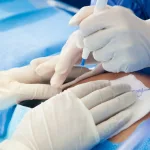
Dermal fillers are a popular non-surgical option for softening smile lines. Many fillers contain hyaluronic acid and are injected into the fold that runs from the side of your nose to the corner of your mouth.
Results appear immediately and, if desired, can be reversed. Well-known brands include Juvéderm and Restylane, and effects typically last for several months.
Repeated injections may leave behind some scar tissue that can create a longer-lasting filler effect.
Other options such as Radiesse (calcium hydroxyapatite) and Sculptra (poly-L-lactic acid) can produce more durable outcomes and are often placed deeper into facial tissues.
Fillers commonly last around 6 to 12 months. Short-term side effects can include headache and allergic-type reactions. The American Society for Dermatologic Surgery (ASDS) estimates that individual treatments can cost up to $1,000.
Botox
Botulinum toxin products (Botox, Dysport, Xeomin) are injected but act differently than volumizing fillers. Your clinician delivers small injections into targeted muscles.
These agents reduce muscle activity, relaxing lines and making them less visible. They work well for the crow’s feet around the eyes but are not effective for the creases beside the mouth. You may notice improvement within a few days.
Botox treatments can be performed by dermatologists, ophthalmologists, or plastic surgeons. Recovery is brief, and most people resume normal activities, including exercise, after about 24 hours. Possible side effects include headache, redness, bruising, or irritation at the injection site.
Effects typically last roughly 3 months, so repeat appointments are necessary to maintain results. Costs vary with the number of units used and can run into the hundreds per session. Consider comparing the costs, uses, and side effects of Botox and fillers.
Surgery
For more dramatic and longer-lasting improvement, surgery may be an option. A facelift (rhytidectomy) provides a comprehensive and more permanent correction of smile lines, addressing both mouth and eye areas in a single procedure. Your surgeon may also suggest eyelid surgery along with a facelift.
The American Society of Plastic Surgeons reported an average facelift cost of $7,048 in 2016. Facelifts are among the priciest options and have the longest recovery periods, often around three months.
The biggest risk with facelift surgery is infection; less common complications can include scarring, persistent pain, and nerve injury.
Laser treatments
Laser resurfacing removes the top layer of skin to reveal fresher skin beneath, aiming to reduce spots and wrinkles.
Swelling and discomfort are typical immediately after treatment but usually improve within days. There is also a risk of scarring and infection.
According to the ASDS, recovery ranges from 1 to 3 weeks. Multiple sessions may be needed, and a single treatment can cost between $1,750 and $2,300.
Collagen induction therapy
Collagen induction therapy, often called microneedling or skin needling, is designed to stimulate your skin’s natural collagen production.
As collagen declines with age, needle-based treatments aim to encourage new collagen to fill in wrinkles like smile lines. A clinician typically uses a device with fine needles, such as the Eclipse Micropen.
The American Academy of Dermatology Association notes that microneedling yields gradual improvement, with full effects developing over about nine months. Expect some redness, bruising, or temporary discoloration as the skin heals. Most patients require three to six sessions.
OTC creams
Over-the-counter creams are a lower-cost way to try to reduce wrinkles. Retinol is one of the more researched ingredients due to its ability to counteract processes that contribute to wrinkles.
A 2007 study found meaningful improvement in fine lines and wrinkles with 0.4 percent retinol applied three times weekly for six months.
Vitamin C, peptides, and hydroxy acids are also commonly used. Downsides include slow results and lack of permanence. Side effects can include redness, rash, or burning sensations.
Home light therapy
In addition to topical products, consumer light devices claim to help with smile lines. For example, the SpectraLite Eye Care Pro is an FDA-cleared LED device intended to boost collagen around the eyes.
It’s used for about 3 minutes per day. While there are no widely reported adverse effects, evidence for the effectiveness of at-home light systems is limited.
How can I avoid smile lines?
Some contributors to laugh lines can be minimized by healthy habits early in life. Daily sunscreen use helps prevent sun-related wrinkles.
Keeping skin well-hydrated is important whether you already have smile lines or not. Drink ample water and limit excessive caffeine and alcohol, which can dehydrate you.
Cleanse your face once or twice daily and apply a moisturizer suited to your skin type. These simple steps can support a pro-aging skin care routine.
Regular exercise and a diet rich in plants also promote skin health.
If you smoke, quitting can reduce your risk of future wrinkles, including smile lines. If you need support to quit, several apps and resources can help.
The bottom line
Smile lines are a common feature of aging skin. Over time, existing lines may deepen or new ones may appear. Nonetheless, there are steps you can take to slow or lessen these changes.
A wide range of treatments exists for laugh lines. Discuss your goals and options with a qualified clinician to determine what’s most appropriate. Surgery can provide substantial, long-lasting change but is not the only route.
Preventive measures—hydrating your skin and maintaining overall health—can help keep smile lines from worsening as you age.

















Leave a Reply
You must be logged in to post a comment.