
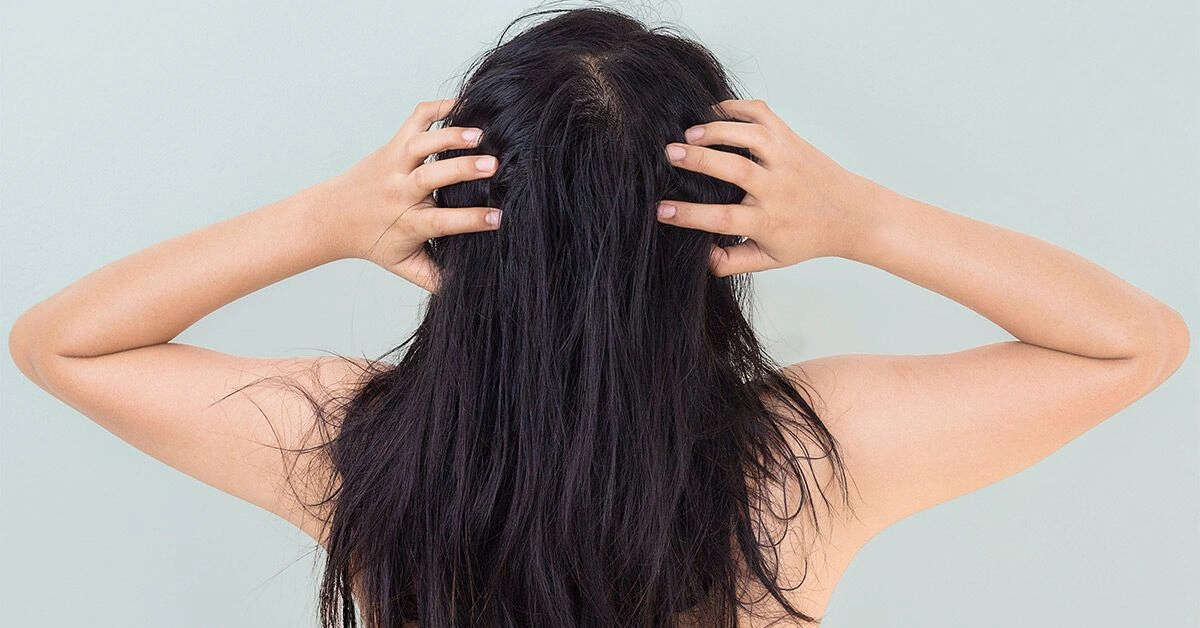
Discovering nits in your hair (or your child’s) is never pleasant, and it can be especially puzzling when you spot the eggs but don’t see any live lice nearby.
Nits are lice eggs, so their presence indicates that a louse was on the head at some point and might still be around. Adult lice can be hard to detect — they may have crawled to another person’s head, or an adult may have laid the eggs before moving on. Eggs can also be dislodged when you brush or style hair.
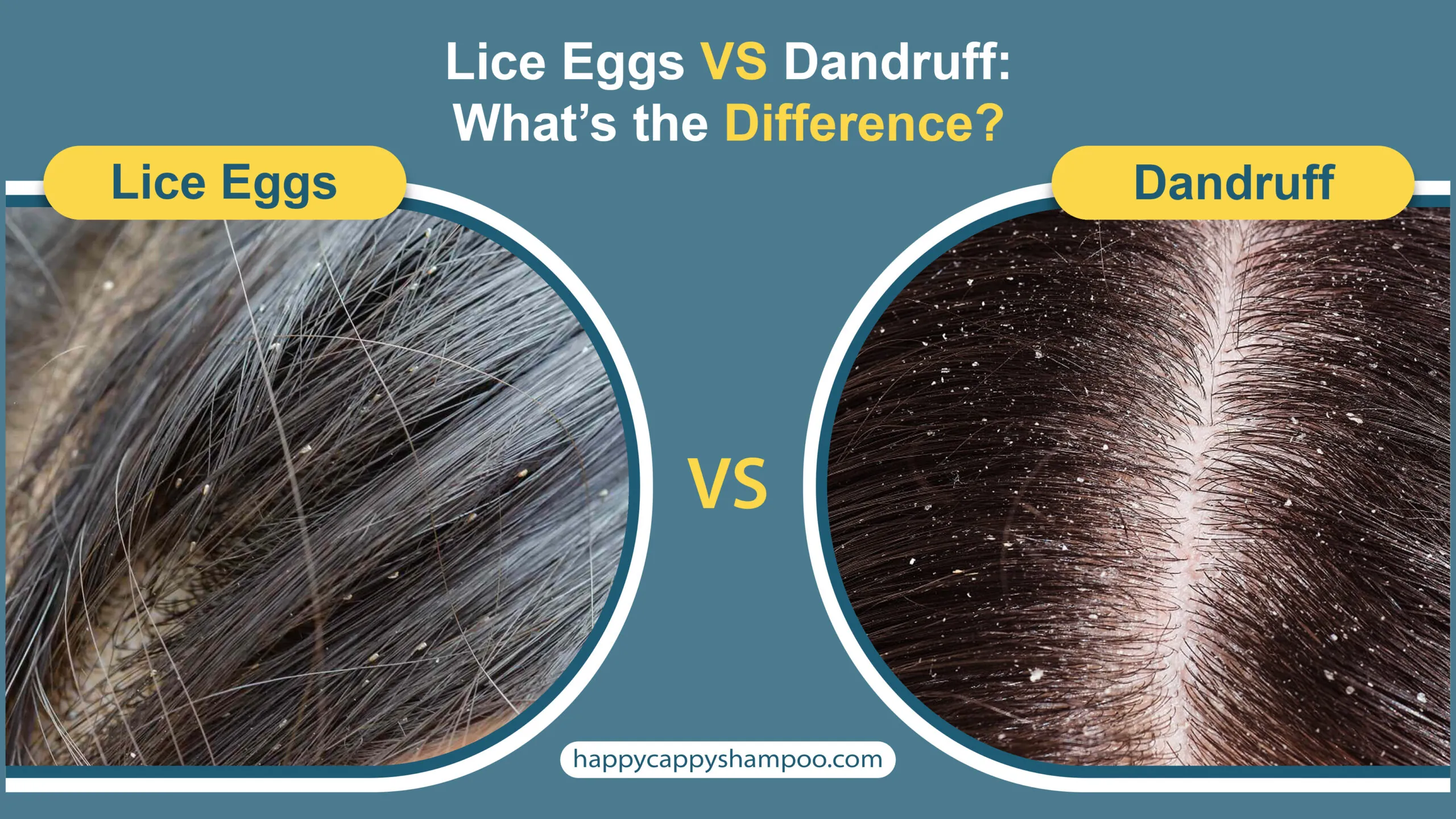
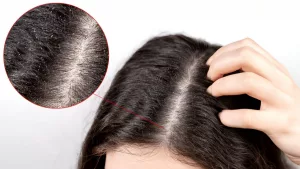
In some cases, what you think are nits may actually be dandruff. Both are commonly found close to the scalp and can look similar, but dandruff comes off more easily while nits are firmly attached to individual hair shafts.
Below we’ll review the distinctions between nits and lice and outline steps to take if you only find nits in the hair.
What are head lice nits and how do they appear?
Nits are the eggs laid by lice. They’re tiny and often resemble dandruff. Even if you don’t spot any crawling lice, finding nits warrants prompt action because they typically hatch into nymphs within about 8 to 9 days. Here’s a short overview of their life stages.
Nits
Nits are small, often white to yellowish-white specks that cling close to the scalp, especially around and behind the ears and along the nape of the neck.
Nymphs
Nymphs are newly hatched lice. They appear yellowish or tan and are very small in size.
Lice
Adult lice are wingless insects that crawl rather than jump or fly. They’re larger than nymphs but still quite small — roughly the size of a sesame seed.
What to do if you spot nits but no live lice
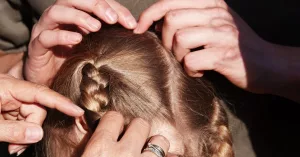
If you comb through hair and find nits but don’t see any active, moving lice, it may be tempting to simply pick out the eggs and hope you’ve removed them all before they hatch.
Some nits could be remnants from a prior infestation and may no longer be viable, meaning they’re dead and won’t hatch.
Because it’s tough to distinguish viable from nonviable eggs by sight, you should treat any nits you find as though they’re a current problem, even in the absence of visible lice.
How to prevent and treat a lice infestation
After identifying lice or nits, begin treatment as soon as possible to stop the infestation from worsening or spreading. Common symptoms include an itchy scalp and the feeling of something moving in the hair.
On people
- Over-the-counter (OTC) lice treatments can be effective; common brands include Rid and Nix.
- If lice recur, a physician may prescribe treatments such as Lindane (which the American Academy of Pediatrics cautions against as a first option for children) or prescription lotions like Sklice, Ulesfia, or Ovide.
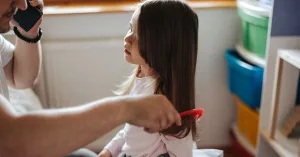
- Wet-combing can be effective though labor-intensive: saturate the hair with conditioner to make lice and nits more visible, then comb through very small sections carefully with a fine-toothed nit comb.
- Some people use oils to try to smother lice as an alternative approach.
In your home
Fumigating the house isn’t necessary, but you should clean items and areas where lice might have fallen.
- Wash and dry all bedding on the hottest settings the fabric can tolerate.
- Vacuum carpets, furniture, and other places where lice or hairs with nits might have landed.
- For items that can’t go in a washer, seal them in a plastic bag for two weeks, per recommendations from the Centers for Disease Control and Prevention (CDC).
Optum Now is operated by RVO Health. By clicking on this link, we may receive a commission. Learn more.
What if you keep finding nits but no lice after treatment
If nits continue to appear after treatment, keep using a nit comb to check the hair every 2 to 3 days, per CDC guidance.
Also note that some medications require a routine re-treatment after the initial application — follow the product instructions if you discover more nits after the first round of treatment.
When nits seem to be persisting or you can’t remove them all, consult a healthcare provider or consider trying an OTC lice eliminator if you haven’t already. For concerns about itching without visible insects, see resources on bites but no signs of bugs.
Takeaway
Finding nits without live lice is fairly common. Even if only eggs are present, treat the scalp and hair as though lice are present. Avoid close head-to-head contact with others and don’t share hats, brushes, or other hair items until nits and lice are no longer detected.












Leave a Reply
You must be logged in to post a comment.