
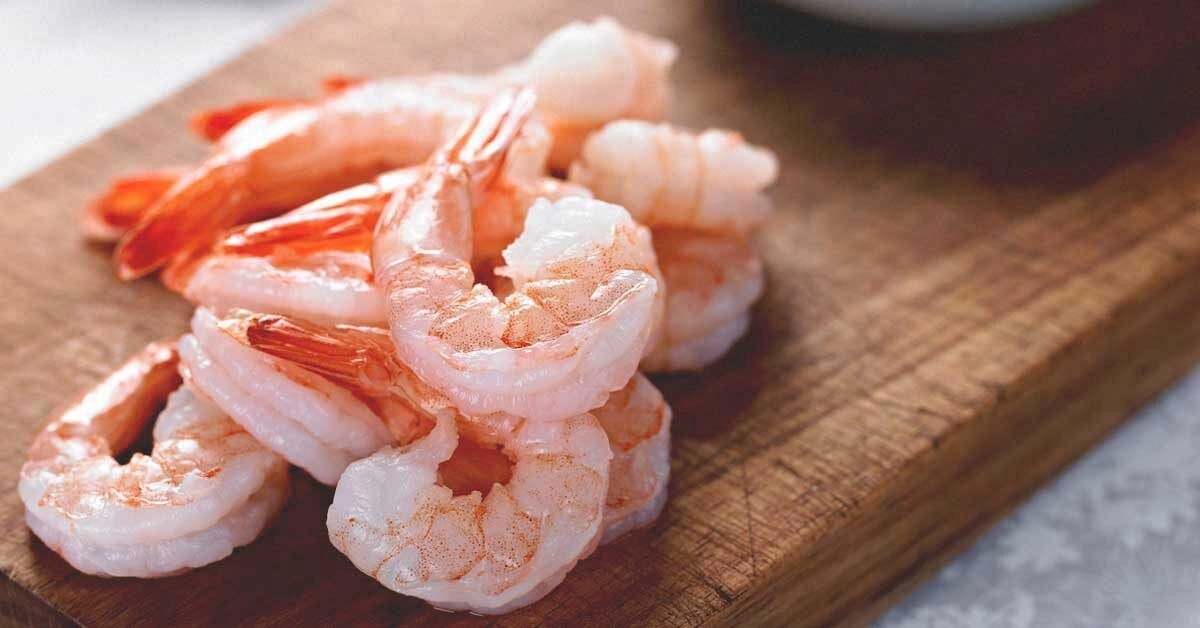
Although low in calories, shrimp delivers a variety of nutrients — including iodine and antioxidants — that may benefit health. At the same time, it is relatively high in cholesterol.
Shrimp ranks among the most frequently eaten shellfish worldwide.
It provides valuable nutrients, such as iodine, which are scarce in many other foods.
Conversely, some worry that shrimp is unhealthy because of its elevated cholesterol level.
There’s also a common belief that farmed shrimp might carry greater health risks compared with wild-caught varieties.
This article reviews the available evidence to help you decide whether shrimp is a nutritious choice for your diet.
Shrimp is low in calories but nutrient-dense

Shrimp boasts a strong nutritional profile.
It’s very low in calories — a 3-ounce serving supplies just about 84 calories.
That same portion also delivers more than nine different vitamins and minerals.
Shrimp nutrition
Below is a snapshot of the nutrients in a 3-ounce (85-gram) portion of shrimp:
- Calories: 84.2
- Protein: 20.4 g
- Iron: 0.433 mg
- Phosphorus: 201 mg
- Potassium: 220 mg
- Zinc: 1.39 mg
- Magnesium: 33.2 mg
- Sodium: 94.4 mg
Shrimp is among the top food sources of iodine, an essential mineral many people lack. Iodine is necessary for healthy thyroid function and brain development.
Shrimp also provides a decent amount of omega-3 fatty acids.
Shrimp contains a lot of cholesterol
Shrimp is often criticized for its cholesterol content.
A 3-ounce (85-gram) serving contains around 161 mg of cholesterol.
Many avoid high-cholesterol foods out of concern they might raise blood cholesterol and increase heart disease risk.
However, studies indicate that most people are not particularly sensitive to dietary cholesterol. For the majority, recent research suggests dietary cholesterol has a limited effect on blood cholesterol levels.
This is partly because the liver produces most of the cholesterol in your bloodstream; when you eat cholesterol-rich foods, liver production usually decreases.
Fatty acids
Moreover, shrimp contains nutrients that may promote health, such as omega-3 fats.
Research suggests that unlike many cholesterol-rich foods which are high in saturated fat, shrimp is an exception.
While more investigation is needed on shrimp’s direct effects on heart health, it carries several beneficial components that may offset its cholesterol content.
Shrimp provides antioxidants
The main antioxidant in shrimp is a carotenoid called astaxanthin.
Astaxanthin comes from algae, which shrimp eat. This makes shrimp a notable dietary source of astaxanthin and explains the reddish hue in their tissues.
When consumed, astaxanthin may reduce inflammation by shielding cells from free radical damage. It has been studied for potential roles in lowering the risk of various chronic conditions.
Heart and brain benefits
Several studies have shown astaxanthin might help improve artery function, potentially lowering the risk of heart attacks. It may also boost levels of high-density lipoprotein (HDL), the “good” cholesterol important for cardiovascular health.
In addition, a 2017 review suggests astaxanthin could support brain health. Its anti-inflammatory effects might protect brain cells from damage that contributes to memory decline and neurodegenerative diseases like Alzheimer’s.
Despite promising findings, more human trials are necessary to fully understand how much astaxanthin from shrimp impacts overall health.
Antibiotics in farmed shrimp
Because U.S. demand for shrimp is high, much of the supply is imported.
Imported shrimp is frequently farmed, meaning it’s raised in controlled ponds or enclosures in aquatic environments.
Imported seafood
Farmed seafood overseas is often treated with antibiotics because of disease risk. However, the United States prohibits the use of antibiotics in shrimp and other shellfish.
Consequently, it’s illegal to import shrimp that tests positive for antibiotics. The FDA is tasked with inspecting imports to ensure they’re antibiotic-free.
Still, due to the sheer volume of imports, the FDA cannot examine every shipment. As a result, farmed shrimp contaminated with antibiotics could potentially enter the U.S. market.
Use of antibiotics in shrimp farming has not been definitively linked to widespread immediate health harms. However, it could promote antibiotic resistance, leading to infections that are harder to treat.
If you’re worried about antibiotic residues, choose wild-caught shrimp, which aren’t treated with antibiotics. You can also trust shrimp harvested and processed in the United States to be free of antibiotic treatment.
Shrimp is a common allergen
Shellfish, including shrimp, are among the top nine food allergens in the U.S., alongside fish, peanuts, tree nuts, wheat, milk, and soy.
The main allergen in shrimp is tropomyosin, a shellfish protein. Other shrimp proteins that can trigger reactions include arginine kinase and hemocyanin.
Signs of a shellfish allergy
Shrimp allergy symptoms vary and may include:
- throat tingling
- stomach or digestive upset
- trouble breathing
- skin symptoms
Some people experience anaphylaxis — a severe, rapid allergic reaction that can cause seizures, loss of consciousness, or death without immediate treatment.
If you have a shrimp allergy, the only way to avoid a reaction is complete avoidance of shrimp.
In some cases, even steam or fumes from cooking shrimp can provoke a response, so allergic individuals should steer clear of environments where shrimp is being prepared.
How to select quality shrimp
Choosing fresh, high-quality shrimp helps reduce the risk of consuming spoiled or contaminated product.
When buying raw shrimp, look for firm flesh. Shells should appear translucent and be gray-green, pinkish-tan, or light pink. Dark edges or black spots on shells may indicate deteriorating quality.
Fresh or cooked shrimp should have a mild, ocean-like or salty scent. A strong “fishy” or ammonia odor usually means the shrimp is spoiled and unsafe to eat.
Purchase shrimp from a reputable vendor who can provide information about origin and how the shrimp were handled.
Cooking shrimp
Properly cooked shrimp should be firm and turn white with a hint of red or pink.
Shrimp can be served as appetizers or incorporated into dishes like curries, stir-fries, or kebabs, and can be breaded or grilled.
The bottom line
Shrimp supplies several vitamins and minerals and is a high-quality protein source. Its omega-3 fats and the antioxidant astaxanthin may support heart and brain health.
Although shrimp is high in cholesterol, evidence shows it doesn’t necessarily harm heart health for most people.
Concerns remain around the quality of some farmed shrimp that might be treated with antibiotics.
However, you can reduce risk by buying shrimp from trusted suppliers or opting for wild-caught varieties.
Overall, shrimp can be a nutritious addition to a balanced eating pattern.





















Leave a Reply
You must be logged in to post a comment.