

Neck hyperextension
Neck hyperextension is an injury that occurs when the head and neck are forcefully propelled forward and then snapped backward. Often called whiplash, the abrupt motion mimics the crack of a whip.
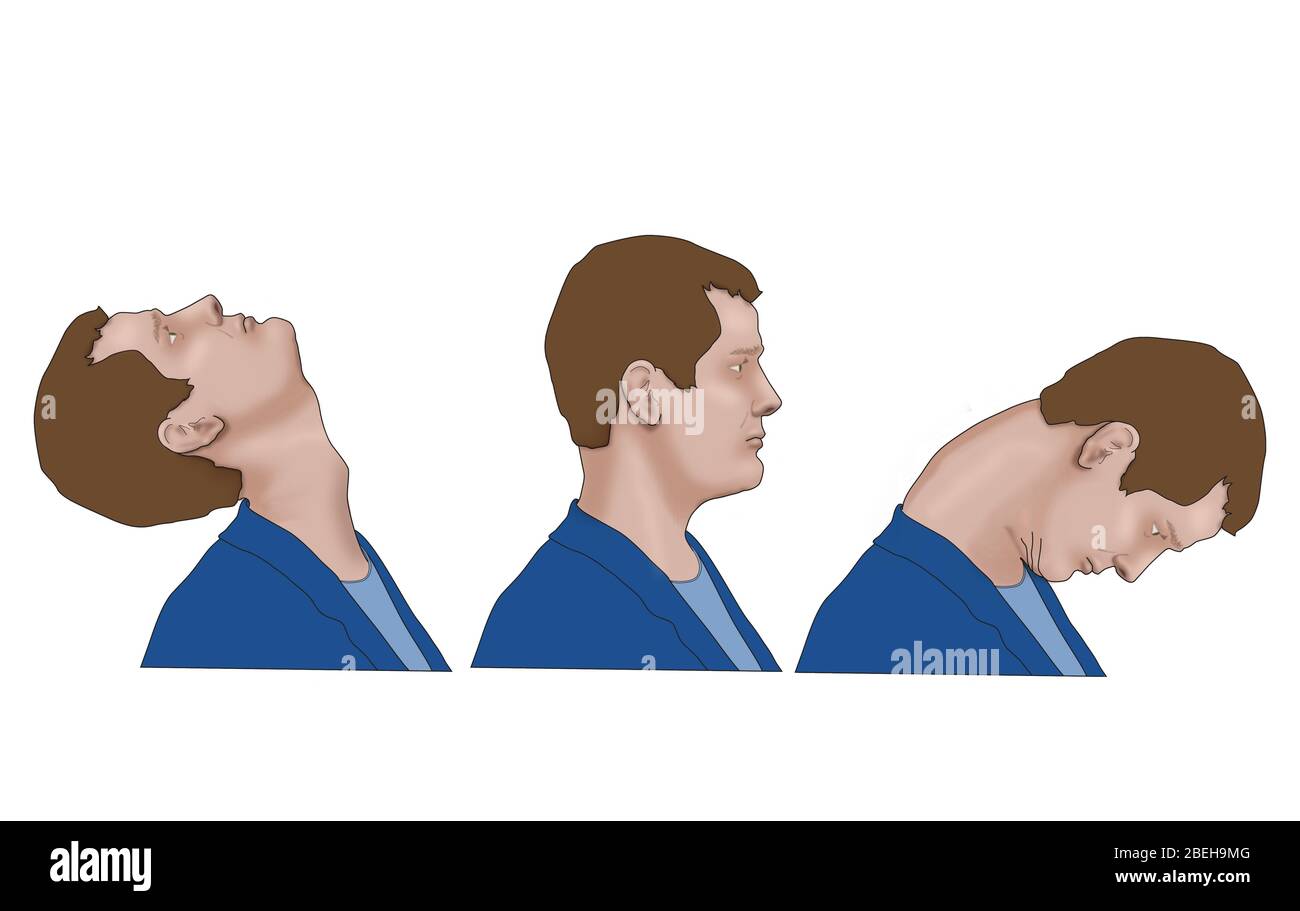
What causes hyperextension of the neck?
Whiplash most frequently happens after being struck from behind in a motor vehicle collision, but any force that drives the neck into rapid flexion followed by hyperextension can produce this injury.
The damage can affect the cervical muscles as well as the intervertebral ligaments, discs, and facet joints.
What are the symptoms of hyperextension of the neck?
The first sign of whiplash is commonly neck pain. That pain can start right away or may not present until several days after the incident. Other typical symptoms include:
- neck stiffness
- pain that intensifies with neck movement
- headache
- dizziness
- restricted neck range of motion
- myofascial injuries (muscles and ligaments)
- shoulder discomfort
- back pain
- paresthesia (a burning, tingling, or prickling sensation)
Some people with whiplash also develop related conditions such as suboccipital headache or experience mornings where they are waking up with neck pain.
What is the recovery time for neck hyperextension?
In many cases, neck and head pain from whiplash resolves within a few days to several weeks.
Per the National Institute of Neurological Disorders and Stroke, most individuals recover within three months after the injury, though some continue to have persistent neck pain and headaches.
How is neck hyperextension treated?
Although whiplash may not be obvious on imaging, your physician may order tests to rule out other problems that could complicate recovery, such as:
- X-rays
- magnetic resonance imaging (MRI)
- computed tomography (CT)
After establishing a diagnosis, your provider will create a treatment approach aimed at easing pain and restoring normal motion.

Therapies may include:
- rest
- application of heat or ice
- over-the-counter analgesics such as acetaminophen (Tylenol) or ibuprofen (Advil)
- prescription pain relievers for severe discomfort
- muscle relaxants
- local anesthetic injections like lidocaine (Xylocaine)
- a soft cervical collar
To regain full range of motion, clinicians often recommend supervised physical therapy or a program of stretching and movement exercises you can perform at home.
Can a child get whiplash?
Children can sustain whiplash when their head is thrown forward then snapped back in events such as sports injuries or car crashes. The evaluation and treatment approach for a child are essentially the same as for an adult.
When to see the doctor
If you develop neck pain or any whiplash symptoms after a crash or other traumatic impact, seek medical attention promptly. A thorough assessment will identify any injuries that could worsen without treatment.
Get immediate emergency care if you notice signs suggestive of spinal cord involvement, including:
- loss of coordination, weakness, or paralysis
- numbness in the hands, fingers, feet, or toes
- loss of bladder control
- difficulty breathing
Also consult your doctor if symptoms persist beyond the expected recovery period or if new symptoms emerge.
Takeaway
Neck hyperextension, commonly referred to as whiplash, typically produces a few days to a few weeks of limited neck mobility and pain, and most people recover fully in a short time.
Any neck pain after a traumatic event should be evaluated by a healthcare professional to ensure accurate diagnosis and an appropriate treatment plan.





















Leave a Reply
You must be logged in to post a comment.