

Hip flexor discomfort can develop when the muscles and tendons that flex your hip are overworked. A strain may indicate a muscle tear and could necessitate medical evaluation.
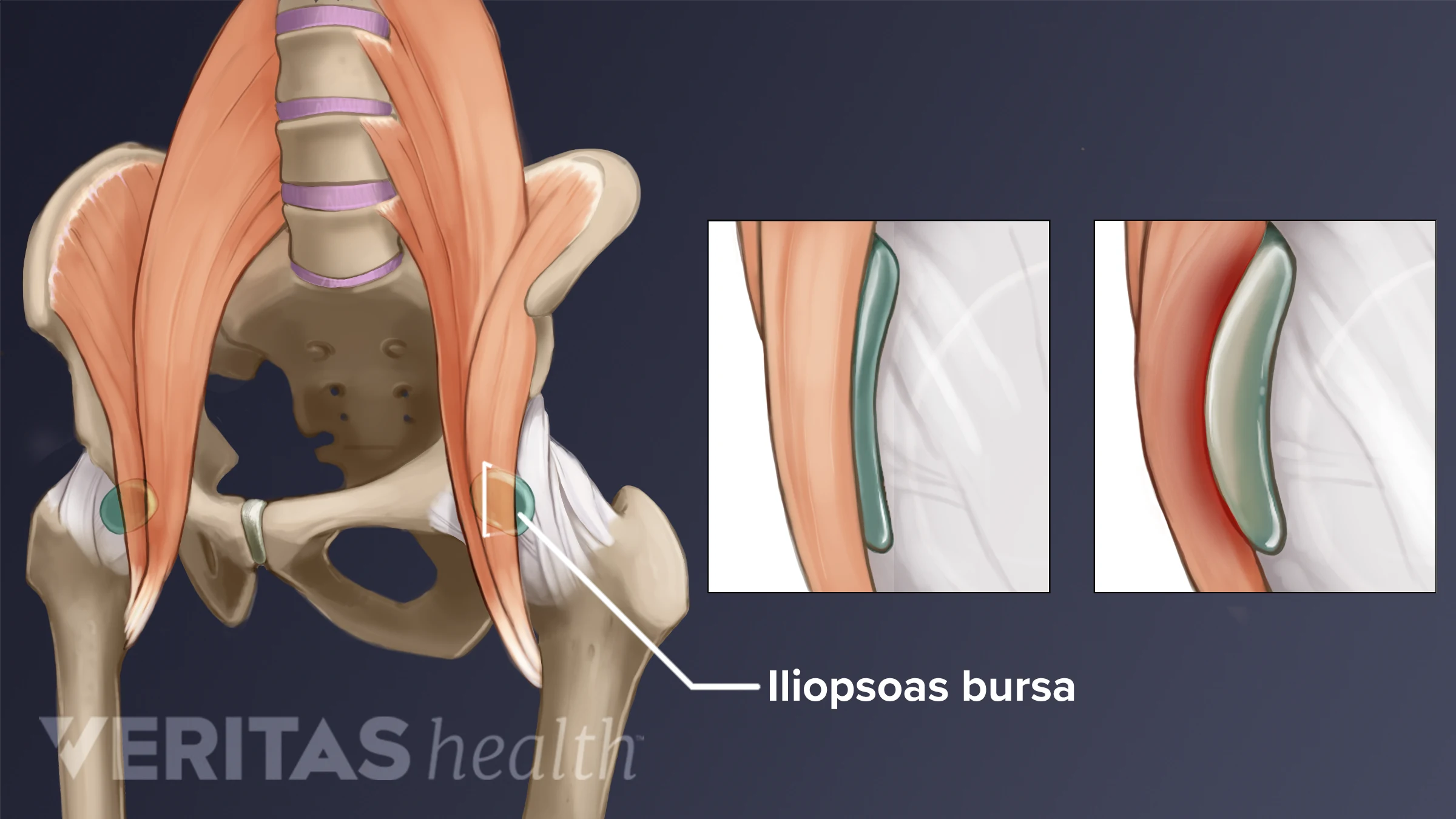
What are your hip flexors?
Raising your knee toward your torso relies on a group of muscles collectively called the hip flexors. These include:
- the iliacus and psoas major muscles, commonly referred to as the iliopsoas
- the rectus femoris, a component of the quadriceps
These muscles and their tendons that attach to bone are susceptible to strains from overuse.
The primary role of the hip flexors is to bring the knee toward the chest and allow bending at the waist. Symptoms of a hip flexor strain can range from mild to severe and may limit movement. Without proper rest and care, symptoms can worsen. Fortunately, there are several home-based measures and practices that can help ease hip flexor strain.
What does hip flexor strain feel like?
The hallmark symptom of a hip flexor strain is pain at the front of the hip. Additional signs may include:
- pain that often begins suddenly
- worsening pain when lifting your thigh toward your chest
- discomfort when stretching the hip muscles
- muscle spasms in the hip or thigh
- tenderness when pressing the front of the hip
- swelling or bruising around the hip or thigh
You might notice this pain during activities like running or walking.
What causes hip flexor strain?
Hip flexor strains happen from overuse of the hip flexor muscles and tendons, leading to inflammation, soreness, and pain. Certain people have a higher risk of experiencing this injury, such as:
- cyclists
- dancers
- martial artists
- football players who kick
- soccer athletes
- participants in step aerobics
Athletes who perform high knee movements, jumps, or repeated kicks are at elevated risk. Deep stretches that pull the thigh backward can also increase the chance of a hip flexor strain.
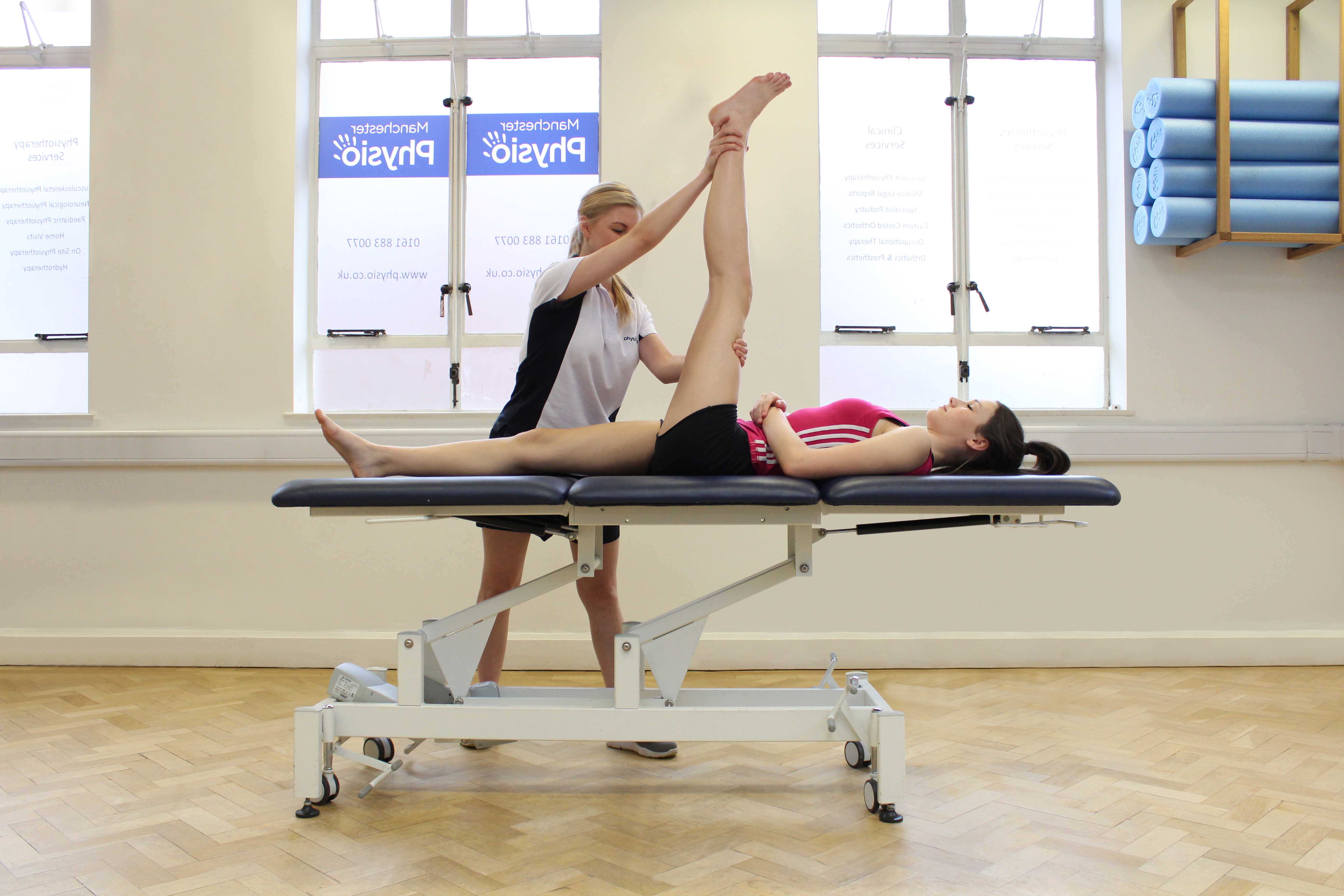
A hip flexor strain involves a tear in the muscle fibers. These tears vary in severity:
- Grade I tear: a minor injury with only a few fibers affected
- Grade II tear: a larger number of fibers are injured, causing moderate loss of hip flexor strength
- Grade III tear: the muscle is fully ruptured, often making walking difficult and causing a limp
According to the Australian Physiotherapy Association, most strains fall into the Grade II category.
Hip flexor strain treatment
Rest
Resting the injured muscles is crucial when managing a hip flexor strain. Modify your usual activities to prevent further stretching of the muscle. For instance, opt for swimming instead of cycling.
Home remedies
Many hip flexor strains can be managed at home without prescription drugs or invasive procedures. The following home treatments may help reduce pain:
1. Place a cloth-covered ice pack on the injured area for 10 to 15 minutes at a time.
2. About 72 hours after the injury, alternate ice with moist heat treatments. Options include heat patches, moist heating pads, or a warm damp cloth. A hot shower can likewise help loosen tight muscles.
3. Use over-the-counter analgesics as needed. Examples include:
Unless advised by your physician, avoid taking these medications for more than 10 days because of the increased risk of gastrointestinal bleeding.
4. Rest and refrain from activities that heavily use your hip flexors for 10 to 14 days after the injury, or longer if your doctor suggests it.
Exercises
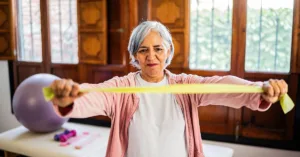
Mild stretching can ease tightness in the hip flexor muscles and lower the chance of re-injury. Perform gentle hip flexor stretches, being careful not to overstretch — the movements should feel mild and controlled.
Applying moist heat and walking slowly for about three minutes to warm the muscles before stretching may reduce the risk of further strain.
In severe cases
When a hip flexor strain involves a large tear, a physician may refer you to a physical therapist. In rare instances, surgery to mend a ruptured muscle might be recommended, but this is uncommon.
What is the outlook for hip flexor strain?
Recovery time for a hip flexor strain depends on severity. A mild strain might heal within a few weeks, while a more severe injury can require six weeks or longer, according to Summit Medical Group. Neglecting rest and recovery often leads to a worse injury and more pain later on.
If your strain causes limping or if symptoms don’t improve after a week of home care, contact your doctor.












Leave a Reply
You must be logged in to post a comment.