
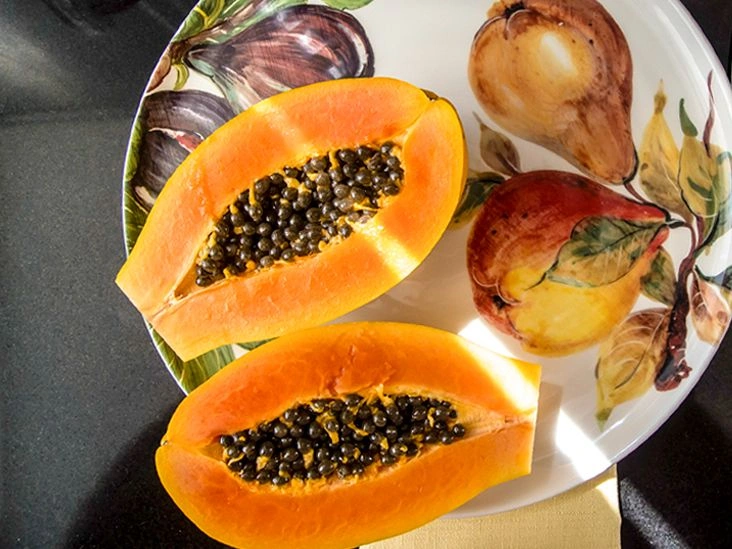
Papaya can be included in a balanced diet for people with diabetes and is unlikely to cause a rapid spike in blood glucose. It also supplies fiber, vitamins, minerals, and antioxidants.

Diabetes is a condition where the body either doesn’t produce enough insulin (or any at all) or can’t use insulin effectively. Insulin is the hormone that enables glucose (sugar) to enter the body’s cells. When insulin production or action is impaired, glucose can accumulate in the bloodstream.
Some individuals require medication to control their blood glucose, while others may manage elevated blood sugar through regular physical activity and a nutritious diet.
Although fruit is typically part of a wholesome eating pattern, certain fruits contain more natural sugars, and consuming them in excess can elevate blood glucose. So you may wonder: is papaya safe to eat if you have diabetes?
The reassuring news is that papaya is generally a safe fruit choice for people living with diabetes.
Papaya and diabetes
Fruits naturally taste sweet, and because sugar consumption affects blood glucose, some people assume fruit should be avoided. However, fruit can be part of a healthy diet when consumed in appropriate portions.
Papaya is also a solid source of fiber, vitamins, minerals, and antioxidants. It provides vitamins A, C, and E, several B vitamins, along with magnesium and potassium.
Grams of sugar
One cup of fresh papaya contains roughly 11 grams (g) of sugar, according to the U.S. Department of Agriculture (USDA).
People with diabetes should monitor and limit their sugar intake to help manage weight and keep blood sugars within their target range.
Glycemic index
The glycemic index (GI) assigns a number to foods and beverages based on how quickly they raise blood glucose. This can be a useful tool for people with diabetes who aim to maintain stable blood sugar levels.
GI categories are:
- Low GI: 55 or less
- Moderate GI: 56–69
- High GI: 70 or higher
Papaya has a GI of approximately 60, so it doesn’t cause blood sugar to rise very rapidly.
Potential benefit
Because of its moderate GI, papaya may be an appropriate option for people with diabetes. Eating papaya might even contribute to lowering blood glucose.
Some reports suggest papaya could have a hypoglycemic effect. The fruit contains flavonoids—natural antioxidants—that might help regulate blood sugar. Still, more studies in humans are needed before firm conclusions can be made about papaya’s blood glucose effects.
Nutritional information about papaya
The USDA reports that one small fresh papaya has about 67 calories. Other nutrients include:
- 2.67 g of dietary fiber, about 10% of the daily value (DV)
- 286 milligrams (mg) of potassium, about 6.08% of the DV
- 95.6 mg of vitamin C, approximately 106.2% of the DV
- 33 mg of magnesium, about 8% of the DV
- 31 mg of calcium, roughly 2.4% of the DV
Alternatives to eating papaya
Although papaya carries a moderate GI, you might opt for fruits with a lower GI. Examples of lower-GI fruits include:
- apples
- apricots
- blueberries
- cranberries
- grapefruit
- plums
- tangerines
- blackberries
- pears
- strawberries
- raspberries
Remember that portion control matters.
Fruits with a high GI include:
- watermelon
- very ripe bananas
- pineapple
- dried dates
Eating large amounts of these fruits could trigger a blood sugar spike. Consult a dietitian or physician to develop a personalized nutrition plan. Pairing fruit with protein and a healthy fat (for example, nut butter, cottage cheese, or mixed nuts and seeds) can help maintain steadier blood glucose.
Tips for eating a healthy diet
A nutritious eating plan can support blood sugar control and may lower the risk of diabetes complications such as heart disease, nerve damage, and kidney problems.
:max_bytes(150000):strip_icc()/papaya_annotated-c9161680edf2487d9ffa44206ee896f1.jpg)
A varied diet made of balanced, wholesome meals helps with blood glucose management. Healthy eating benefits everyone, including those with prediabetes.
Recommended carbohydrate sources include:
- fruits
- vegetables
- whole grains
- legumes
- low-fat dairy
Many of these carbohydrate-rich foods are high in fiber, and consuming them can also helpmoderate blood glucose.
Although papaya and similar fruits can be part of a healthy diet, be aware of the GI of specific fruits before eating them. When possible, choose fruits with low to moderate GI to reduce the likelihood of blood sugar surges.
Diabetes raises the risk of heart attack and stroke, so adopting a heart-healthy eating pattern is important. Include lean protein options such as:
- chicken
- turkey
- fish
- shellfish
- eggs
- lean cuts of beef
- pork
Healthy fats like olive oil, avocados, and nuts are also beneficial.
Avoid foods containing trans fats, such as many processed snack items and stick margarine. It’s also wise to limit sodium intake to no more than 2,300 mg daily.
Other practical tips include eating balanced meals, controlling portion sizes, and avoiding overeating.
The American Diabetes Association suggests the Diabetes Plate approach, which partitions a 9-inch plate into three groups: vegetables, proteins, and quality carbohydrates:
- Vegetables: Half the plate should be nonstarchy vegetables such as leafy greens or broccoli.
- Proteins: One-quarter should include protein like meat, eggs, fish, or plant-based sources.
- Carbohydrates: One-quarter of the plate should be carbohydrate foods such as grains, starchy vegetables, or beans and lentils.
Dairy and fruit are placed on the side of the plate.
Mindful eating is another strategy to develop healthier eating habits. It involves paying close attention to your body and adopting a nonjudgmental stance toward eating, noticing hunger and fullness cues.
Mindful eating also considers how stress and emotional eating can interfere with healthy choices. 2024 research indicates mindful eating may support healthier behaviors and assist in blood sugar control.
When to talk with a pro
If you’re following a balanced diet, staying active, and taking your medications but your blood sugar remains elevated, consult your doctor. They can refer you to a registered dietitian or a certified diabetes care and education specialist.
These experts can provide tailored advice on improving diabetes management, including dietary education, weight-loss strategies, and training on diabetes technologies.
Poorly managed diabetes can result in serious issues such as heart disease, kidney damage, and neuropathy. Therefore, it’s vital to follow medication instructions from your healthcare team, eat healthfully, and be physically active.
Thirty minutes of exercise on most days of the week can help keep blood glucose in a healthy range.
Takeaway
Diabetes is a long-term condition, but with proper treatment it’s possible to keep blood sugar under control. Fruit provides important vitamins and minerals and can be included in a healthy diet.
Moderation matters. If you’re struggling to control your blood glucose, speak with your healthcare team for guidance.























Leave a Reply
You must be logged in to post a comment.