

Key takeaways
If a physician doesn’t accept Medicare assignment, they may bill you up to 15% above the Medicare-approved amount. This extra fee is called a Part B excess charge.
Eight states prohibit Medicare Part B excess charges: Connecticut, Massachusetts, Minnesota, New York, Ohio, Pennsylvania, Rhode Island, and Vermont.
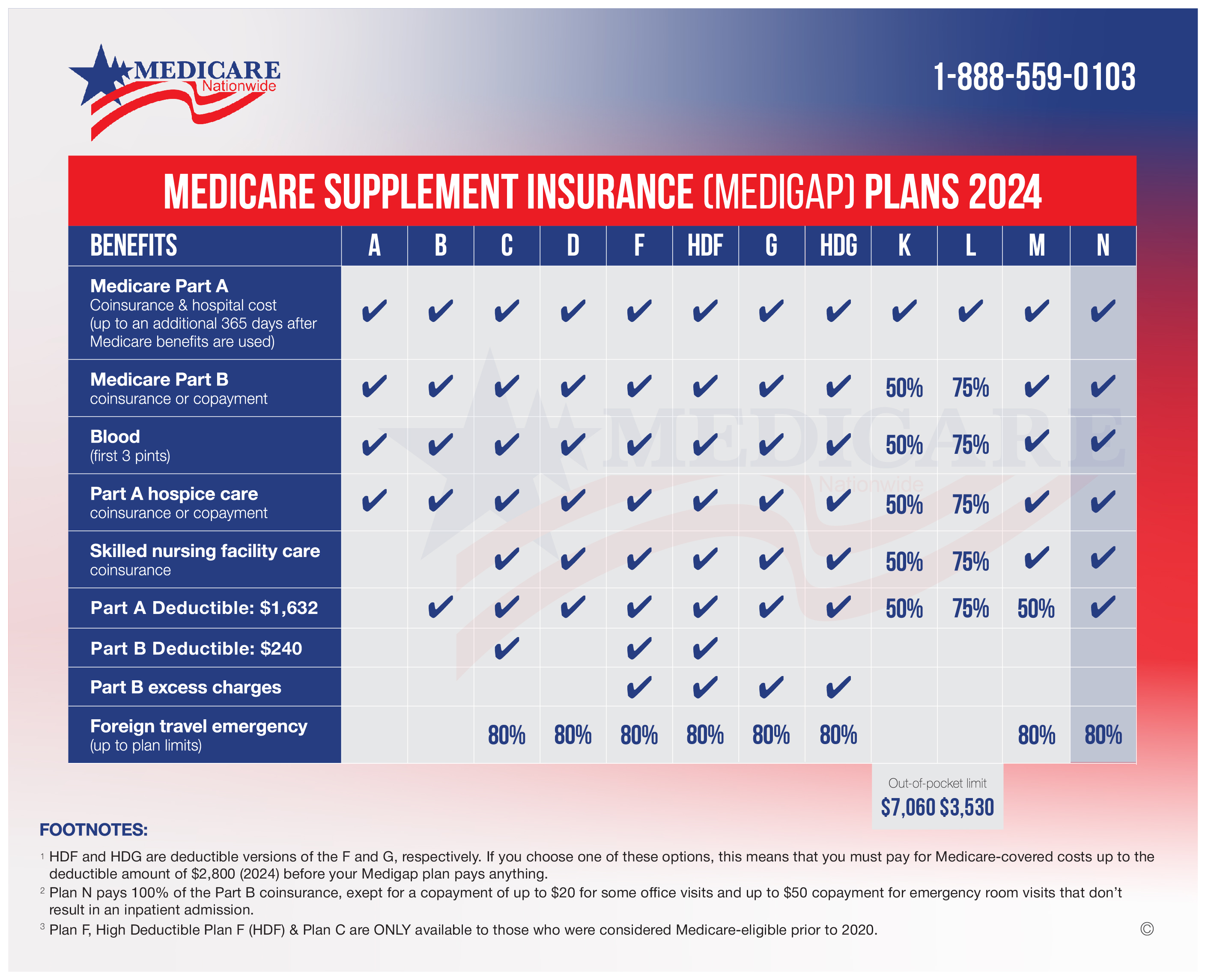
You can prevent excess charges by confirming your provider accepts Medicare assignment. Additionally, Medigap Plans F and G pay for Part B excess charges.
Medicare assignment is the payment amount Medicare has approved for a given medical service. Providers who accept Medicare assignment agree to that approved amount as full payment.
Physicians who don’t accept Medicare assignment might charge more than the Medicare-approved amount. The portion above that amount is called a Part B excess charge.
These fees are on top of your deductible, coinsurance, and copays. They do not count toward your deductible.
Medicare caps these additional fees at 15%. This cap is known as the limiting fee or limiting charge and represents the highest surcharge a provider can add above the Medicare-approved amount for certain services.
Some Medigap policies may pay Part B excess charges. A handful of states have banned these fees entirely.
Part B excess charges can lead to notable out-of-pocket costs, but there are strategies to avoid them.
What are Medicare Part B excess charges, and how do they work?
Not all providers accept Medicare assignment. Providers who do accept assignment agree to take the Medicare-approved amount as payment in full for a service.
A provider that declines Medicare assignment can bill you up to 15% more than the Medicare-approved amount. That additional charge is the Part B excess charge.
Some providers opt out of Medicare entirely. In that situation, Medicare won’t pay for care from that provider unless it’s an emergency. Providers may opt out in two-year increments and must renew that choice every two years.
If you see a provider or equipment vendor who accepts Medicare assignment, you’ll only be billed the Medicare-approved amount.
Those providers submit claims directly to Medicare instead of billing you first. Medicare covers 80% of the approved amount, and you receive a bill for the remaining 20%.
Providers who don’t accept assignment may require full payment up front. You would then need to seek reimbursement from Medicare for 80% of the Medicare-approved portion of the charge.
Here are a few scenarios illustrating how this works:
Your doctor accepts Medicare assignment
Your primary care doctor who accepts Medicare might bill $300 for an in-office procedure. They would submit that claim to Medicare rather than asking you to pay the complete sum.
Medicare would remit 80% of that bill ($240). Your physician would bill you for the remaining 20% ($60). Your out-of-pocket expense would be $60.
Part B excess charges do not apply toward your Part B deductible.
Your doctor doesn’t accept Medicare assignment
If you visit a doctor who declines Medicare assignment, they might charge $345 for the same in-office procedure. The extra $45 reflects the 15% surcharge over the amount a provider accepting assignment would charge. That is the Part B excess charge.
Rather than billing Medicare, the provider could require you to pay the full $345 up front. You would then file a claim with Medicare for reimbursement equal to 80% of the Medicare-approved amount ($240).
In this example, your total out-of-pocket would be $105.

Your doctor has opted out of Medicare completely
When a physician has opted out of Medicare entirely, they are treated as nonparticipating. In that case, the provider might bill you $400 for the same in-office procedure. Medicare would not cover any of that cost ($0).
The provider won’t submit a claim to Medicare and will expect you to pay the full $400 in advance. You might negotiate a private payment arrangement directly with them.
You cannot file for Medicare reimbursement, so your total out-of-pocket cost would be $400.
Which states do not allow Medicare Part B excess charges?
Some states have enacted laws making it illegal for providers to impose Medicare Part B excess charges. Those states are:
- Connecticut
- Massachusetts
- Minnesota
- New York
- Ohio
- Pennsylvania
- Rhode Island
- Vermont
If you reside in one of these eight states, you won’t face Part B excess charges when seeing an in-state provider.
You can still incur Part B excess charges if you receive care from an out-of-state provider who doesn’t accept Medicare assignment.
How to avoid Medicare Part B excess charges
Don’t assume a provider accepts Medicare. Always ask whether they accept assignment before scheduling an appointment or service.
It’s wise to verify a provider’s acceptance of Medicare and to ask about anticipated costs, even for clinicians you’ve seen previously.
Does Medigap cover Medicare Part B excess charges?
Medigap is supplemental coverage you can buy if you have Original Medicare (Parts A and B). Medigap policies help cover gaps left by Original Medicare, such as deductibles, copays, and coinsurance.
The Medigap plans that pay Part B excess charges are:
- Medigap Plan F: Plan F is no longer available to most new Medicare enrollees. If you became eligible for Medicare before January 1, 2020, you may still enroll in Plan F. Current Plan F holders can keep it.
- Medigap Plan G: Plan G is a comprehensive option that covers many services Original Medicare does not. Like other Medigap plans, it requires a monthly premium in addition to your Part B premium.
What is Medicare Part B?
Medicare Part B covers outpatient services, including physician visits and preventive care. Together with Part A, Part B forms Original Medicare.
Examples of services covered by Part B include:
- flu shots
- cancer and diabetes screenings
- emergency room care
- mental health services
- ambulance transport
- laboratory tests
The takeaway
If your doctor, supplier, or provider doesn’t accept Medicare assignment, they may charge you up to 15% more than the Medicare-approved amount. That surcharge is called a Part B excess charge.
You can avoid paying Part B excess charges by seeing providers who accept Medicare assignment.
Medigap Plans F and G cover Part B excess charges. However, you may still need to pay your provider initially and wait for reimbursement.






















Leave a Reply
You must be logged in to post a comment.