

Everyone has awkward moments, and most of the time they’re harmless. However, a sudden or persistent decline in coordination, or clumsiness that seriously affects your wellbeing, can signal an underlying medical issue.
You might label yourself clumsy if you frequently run into furniture or drop items.
For healthy individuals, this is often a minor nuisance. Still, it can raise the likelihood of accidents or significant injuries, such as concussions.
Continue reading to learn about what clumsiness means, its potential causes, and signs that warrant medical attention.

What does clumsiness mean?
Clumsiness refers to poor coordination, awkward movements, or inefficient actions. Research indicates that brain activity — from processing information to instructing muscles — is central to coordination.
A 2022 study indicates that aging strongly influences motor-control–related brain activity. With age, structural deterioration and reduced neurotransmitter levels make brain function less efficient.
This leads to greater dependence on cognitive processes governed by the prefrontal cortex, a brain area particularly susceptible to aging.
There are instances, however, where similar brain effects arise not from aging but from an underlying disorder, sometimes even in childhood. Below are various causes of clumsiness in both adults and children.
What leads to sudden clumsiness?
Sudden clumsiness can happen when you’re distracted or not fully aware of your surroundings. Yet, if coordination problems appear abruptly alongside other symptoms, they may indicate a serious health concern.
Stroke
Each year, more than 795,000 Americans experience a stroke, according to the Centers for Disease Control and Prevention (CDC).
A stroke happens when a blood clot blocks blood flow in the brain (ischemic stroke) or when a weakened vessel ruptures and reduces blood supply (hemorrhagic stroke). The resulting loss of oxygen causes brain cells to die.
During a stroke, some individuals develop paralysis or muscle weakness, which can produce poor coordination and stumbling.
But sudden clumsiness is not always due to a stroke. Strokes generally present additional signs, such as:
- slurred speech
- tingling sensations in the arms or legs
- muscle weakness or numbness
- headache
- dizziness
You may notice similar signs during a transient ischemic attack (TIA), sometimes called a ministroke. A TIA also disrupts blood flow to the brain but usually lasts only a few minutes and doesn’t produce permanent damage.
Nonetheless, seek medical help right away if you or someone nearby shows stroke symptoms.
Seizures
Certain seizures can produce effects that look like sudden clumsiness. Epilepsy, a common cause of seizures, affects about 1.2% of Americans. There are also other reasons seizures can occur.
This is especially true for complex partial, myoclonic, and atonic seizures or drop attacks. Myoclonic and atonic seizures can cause a person to fall abruptly as if they’ve tripped; this is not technically considered clumsiness.
In complex partial seizures, a repetitive pattern of behaviors and signs emerges. A person may stare blankly during an activity, then begin performing automatic actions such as:
- mumbling
- fumbling with or picking at clothing
- handling objects repetitively
Complex partial seizures often last just a few minutes, and the individual usually has no recollection afterward. When seizures recur, the same behaviors are frequently repeated.
If you suspect a seizure has occurred or is occurring, get medical attention immediately.
Drugs and alcohol
Excessive alcohol use or certain drugs can lead to clumsiness from intoxication. Intoxication impairs brain function and may involve a variety of symptoms; uncoordinated movements aren’t always present.
Signs of intoxication can include:
- bloodshot eyes
- changes in behavior
- noticeable smell of alcohol
- slurred speech
- vomiting
While intoxicated, you may struggle to keep your balance or coordinate steps, increasing the risk of falls and head injuries.
Alcohol withdrawal can cause clumsiness accompanied by confusion, tremor, agitation, or seizures.
Clumsiness in adults
Coordination problems often accompany aging.
Clumsiness can also begin subtly and worsen over time. If you or someone you know has persistent coordination difficulties with other symptoms, consult a doctor.
There may be an underlying disease or neurologic disorder, including:
Brain tumor
A cancerous or noncancerous brain tumor can interfere with balance and coordination. Cancerous brain tumors are uncommon, with less than a 1% lifetime risk.
If any type of brain tumor is present, you might also notice:
- unexplained nausea and vomiting
- vision disturbances
- changes in personality or behavior
- hearing difficulties
- seizures
- weakness or numbness
- severe headaches
A doctor can order an MRI or brain imaging to evaluate for abnormal growths.
Parkinson’s disease
Parkinson’s disease impacts the central nervous system and can disrupt motor control. It affects nearly one million Americans.
Early signs may be subtle, like hand tremors or twitching that interfere with coordination. Other indicators include:
- loss of smell
- sleep disturbances
- constipation
- a soft or quiet voice
- a masked facial expression or blank stare
Your physician can suggest treatments and refer you to a specialist if Parkinson’s is diagnosed.
Sometimes, Parkinson’s coexists with dyskinesia, another movement disorder that can cause clumsiness.
Alzheimer’s disease
Alzheimer’s disease progressively harms and destroys brain cells. Approximately 6.7 million Americans over age 65 live with Alzheimer’s, and the likelihood of developing it rises with age.
People with Alzheimer’s commonly struggle with memory, have difficulty completing familiar tasks, and may show coordination problems.
If you or a family member develops such symptoms in midlife and they do not improve, consult a physician.
Other causes
Poor coordination can also stem from sleep deprivation. Fatigue impairs balance, leading to dropping objects or bumping into things. Getting roughly eight hours of sleep nightly allows both brain and body to recover.
Joint and muscle conditions like arthritis, and medications such as anti-anxiety agents, antidepressants, and anticonvulsants, may produce similar effects.
Other movement-related causes of clumsiness include:
- ataxia
- dystonia
- Huntington’s disease
- Tourette syndrome
- essential tremor
- traumatic brain injury
- chorea
- viral or bacterial infections that impact the brain
- serotonin syndrome and other medication effects, such as those from selective serotonin reuptake inhibitors (SSRIs)
- exposure to toxins
Clumsiness in children
Coordination difficulties are common in toddlers learning to stand and walk. Growth spurts can also lead to temporary awkwardness as a child adjusts to a changing body. Developmental delays may cause clumsiness in gait or fine motor tasks.
Children who struggle with attention may be less aware of their environment and therefore more uncoordinated.
If a child’s clumsiness isn’t improving or seems to be getting worse, consult a doctor. Causes of coordination problems in children can include:
- vision issues
- flat feet, or absence of a foot arch
- attention deficit hyperactivity disorder (ADHD)
- autism spectrum disorder (ASD)
Your child’s physician can recommend treatments based on the underlying cause.
Dyspraxia
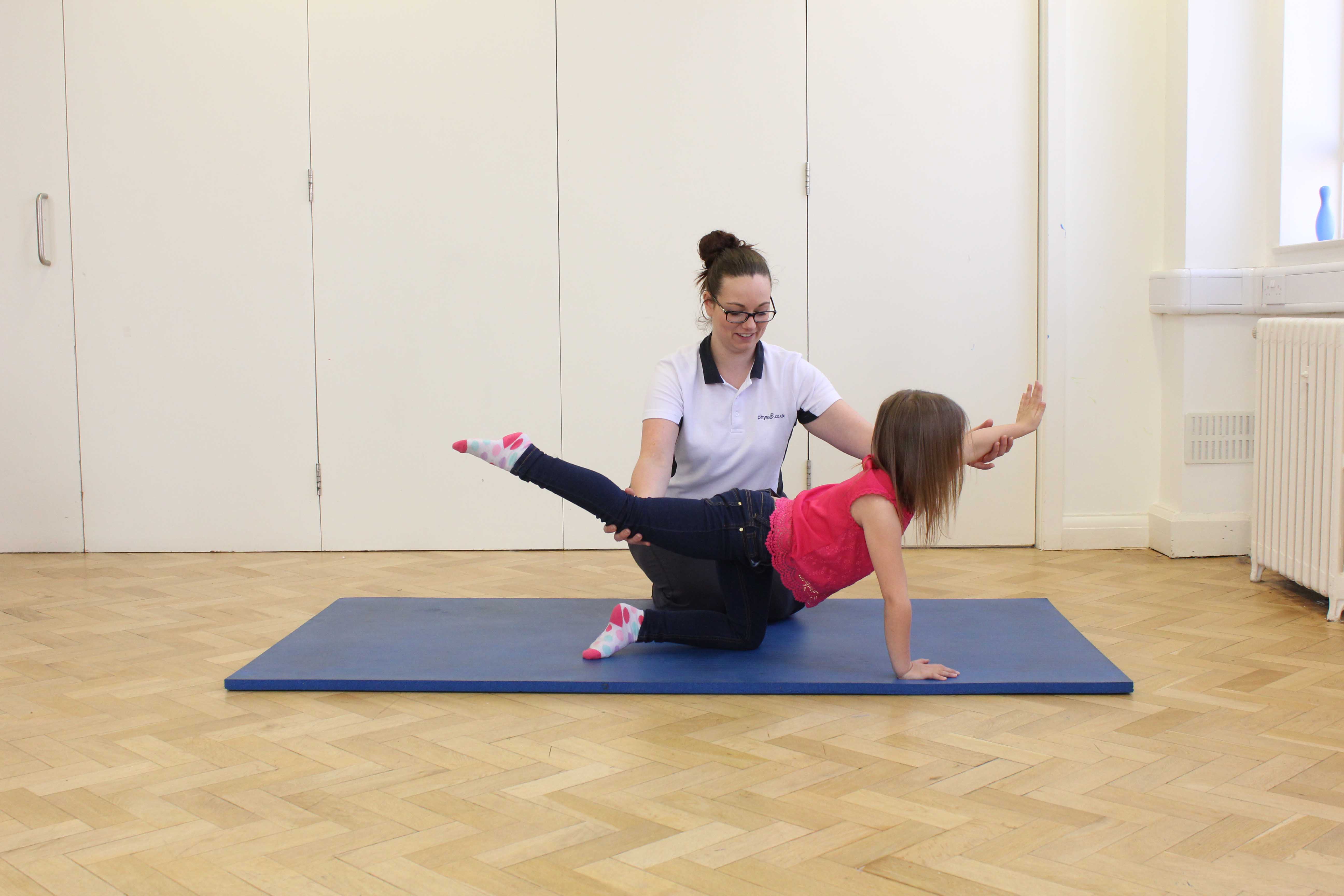
Dyspraxia, also called developmental coordination disorder (DCD), affects a child’s motor coordination. Children with DCD typically show delayed physical coordination relative to their peers.
This delay is not attributed to intellectual disability or other neurologic disorders. Symptoms can improve with movement practice, breaking tasks into smaller steps, or using adaptive tools like special pencil grips.
An estimated 6% of school-aged children may have DCD. It can also coexist with ADHD, which may increase episodes of clumsiness.
Clumsiness during pregnancy
As pregnancy advances, changes in your body can shift your center of gravity and disrupt balance. You may also be more prone to tripping or bumping into things if you can’t see your feet.
Hormonal fluctuations, tiredness, and forgetfulness can further affect coordination.
Moving slowly and asking for assistance when needed are practical strategies to reduce the chance of accidents during pregnancy.
Diagnosis
Determining the precise cause of coordination problems can be challenging because clumsiness is a symptom of many conditions. If coordination declines or new symptoms arise, schedule an appointment with your doctor.
Your clinician will review your medical history and symptoms and may order tests to help identify the cause.
Frequently asked questions
When should I be worried about clumsiness?
Occasional mishaps like slips or spills are normal. See your doctor if clumsiness persists or starts to interfere with daily life.
What is an example of clumsiness?
Clumsiness commonly involves dropping items, spilling things, or tripping. It can also describe difficulty with physical activities such as dancing or playing sports.
Does anxiety cause clumsiness?
Anxiety can contribute to clumsiness. Affecting about 31.1% of Americans at some point, anxiety can dysregulate the nervous system. For instance, it can cause trembling hands or impair perception of your surroundings, making you more likely to bump into objects or people.
Ways to improve coordination
Addressing the root cause is key to improving coordination. Your doctor may prescribe medications — for example, anti-inflammatories for arthritis — or suggest exercise to ease joint pain and stiffness.
Slowing down and taking care to observe your environment before performing tasks can also help reduce uncoordinated incidents.



















Leave a Reply
You must be logged in to post a comment.