
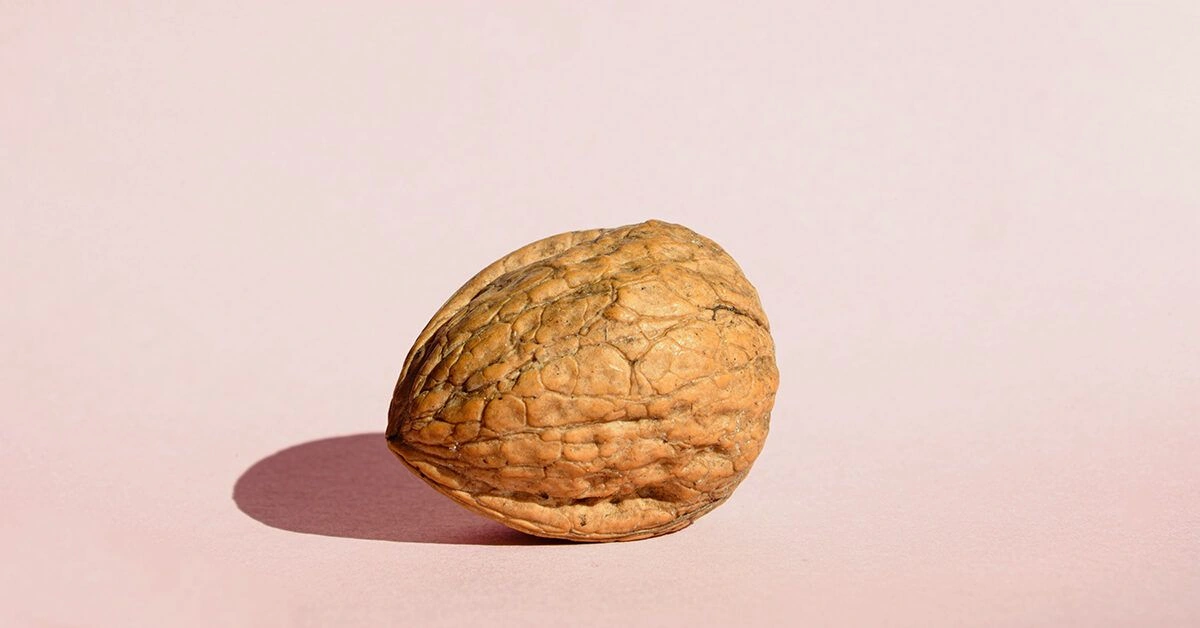
A normal prostate is roughly the size of a walnut, though enlargement becomes more common with aging.
The prostate is part of the reproductive system — a small gland situated in front of the rectum, just beneath the bladder, encircling a portion of the urethra. It produces the fluid that carries sperm, commonly called seminal fluid.
With age, the prostate can undergo size changes. It may gradually enlarge, which can lead to various bothersome symptoms — particularly those affecting bladder emptying.
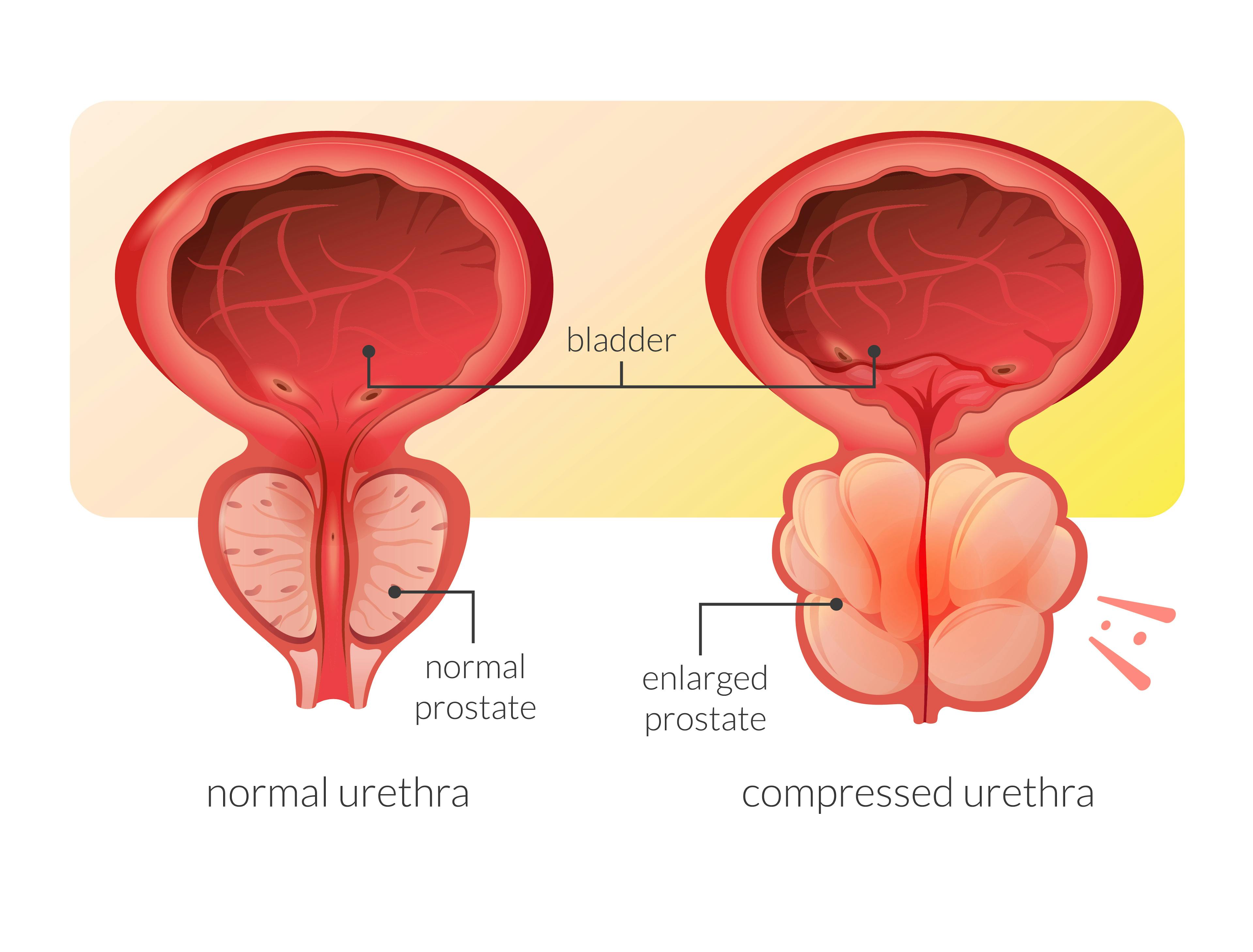
What is the standard size of a prostate?
The typical adult prostate is about walnut-sized, weighing roughly 15 to 20 grams (g) with a volume near 20–25 cubic centimeters (cc).
Anatomically, the prostate comprises several zones:
- transition zone
- central zone
- peripheral zone
The peripheral zone forms the largest section of the prostate and is where the majority of prostate cancers originate.
Benign, age-related enlargement — called benign prostatic hyperplasia (BPH) — generally develops in the transition zone, the area that surrounds the urethra.
What is a typical prostate size by age?
Language matters
You may notice the reporting uses binary terminology, often referring to “men.”
While such language is not ideal, precision matters when describing study cohorts and clinical data.
Sadly, the research cited in this article did not include or report data for people who are transgender, nonbinary, gender nonconforming, genderqueer, agender, or genderless.
Per a 2021 review on prostate development and aging, the prostate begins forming around the 10th–12th week of gestation. During this period, sex hormones like testosterone drive cellular growth and differentiation in the fetus.
The prostate continues to enlarge during the first 6–9 months of infancy — a phase called “minipuberty” — until it reaches about 10 g, roughly half the size of an adult prostate.
It remains around that size until puberty.
Although the timing of puberty varies, most people assigned male at birth enter this stage between 9 and 14 years of age.
During puberty the prostate grows to the usual adult walnut size, typically completing growth by about age 20.
While not everyone develops problematic enlargement after age 20, the prostate generally begins a second growth phase around 25 years, a gradual enlargement that may contribute to BPH over the lifespan.
By 40, the prostate can be the size of an apricot, and by 60 it may be as large as a tennis ball or a lemon, or larger.
BPH affects nearly half of men over 50 and up to 90% of men older than 80.
What prostate size is dangerous?
An enlarged prostate becomes problematic when it obstructs normal urine flow, which can cause urine to back up and increase the risk of bladder and kidney infections. In severe cases, it can completely block urination or lead to kidney failure.
There’s no reliable way to predict how quickly prostate enlargement will affect the urinary system. Some people experience severe symptoms with modest enlargement, while others may have a lemon-sized prostate with few issues.
Generally, the American Urological Association suggests considering surgery for prostates with a volume of 30 cc or more when significant lower urinary tract symptoms are present.
Signs and symptoms of an enlarged prostate
As the prostate enlarges, it exerts pressure on nearby tissues.
Because BPH usually affects the transition zone around the urethra, symptoms often stem from compression of the urethra and bladder.
Typical symptoms of an enlarged prostate include:
- frequent urination during the day
- a strong, sudden urge to urinate
- difficulty starting urination
- weak or interrupted urine stream
- urinary incontinence
- needing to get up multiple times at night to urinate
- dribbling after finishing urination
- unusual urine color or odor
- pain with urination or ejaculation
You might also feel like your bladder isn’t fully emptied or be unable to urinate when needed.
Treatment for enlarged prostate
There’s no cure for age-related, noncancerous prostate enlargement, but treatments can help control symptoms. Some people achieve improvement through lifestyle adjustments that address urinary issues proactively.
Many find relief from mild symptoms by:
- using the bathroom on a routine schedule before an urgent need arises
- making sure to empty the bladder fully each time
- reducing fluid intake before bedtime
- avoiding alcohol and caffeine
If lifestyle modifications aren’t enough, medications and surgical procedures are options.
Two main medication classes are used to treat BPH:
- Alpha-blockers: drugs that relax muscles around the prostate
- 5 alpha-reductase inhibitors: drugs that reduce prostate size by modifying hormones that drive prostate growth
Surgery is typically reserved for prostates that don’t respond to medical therapy or lifestyle changes. Various surgical techniques aim to remove or reduce excess prostate tissue.
A clinician will recommend a procedure based on your prostate size, symptoms, and overall health.
Minimally invasive procedures performed through the urethra include:
- transurethral resection of the prostate
- transurethral incision of the prostate
- transurethral needle ablation
- transurethral electroevaporation of the prostate
- transurethral microwave thermotherapy
- laser surgery
Another option is prostate surgery (prostatectomy), which requires an incision to remove part or all of the gland. There are several approaches, and the surgeon chooses the most suitable one for your situation.
Treatment isn’t always necessary, but leaving an enlarged prostate unmanaged can lead to complications such as:
- urinary retention
- bladder and kidney damage
- bladder stones
- recurrent urinary tract infections
- blood in the urine
- sexual dysfunction
Keep in mind that BPH is one cause of prostate enlargement. Prostate cancer and prostate inflammation (prostatitis) can also enlarge the gland. Discussing symptoms with a healthcare provider is the only way to exclude these other possibilities.
Symptoms not to ignore
An enlarged prostate can become an emergency if it entirely blocks urine flow or causes kidney failure.
Call 911 or local emergency services right away if you have:
- fever and chills along with painful urinary symptoms
- complete inability to pass urine
- severe abdominal or urinary pain
- blood in your urine
Bottom line
The typical adult prostate is about walnut-sized, but it can grow substantially over a lifetime.
Not all age-related enlargement produces troublesome symptoms, yet many people experience urinary problems when growing prostate tissue compresses the bladder and urethra. For mild cases, lifestyle measures may help; for more significant symptoms, medications or surgery are available.
If you’re researching related conditions, you might also find useful information comparing prostate vs colon cancer.





















Leave a Reply
You must be logged in to post a comment.