
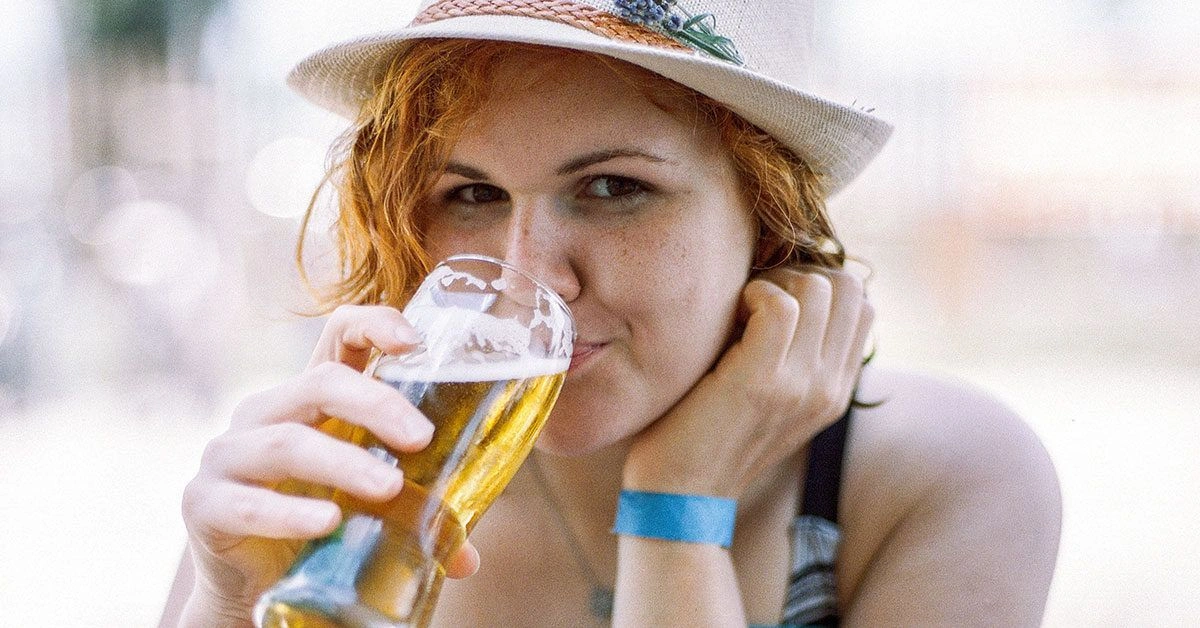
Alcohol itself doesn’t directly diminish the effectiveness of your contraceptive. However, drinking can influence your behavior and judgment, which raises the chance of contraceptive mishaps.
There’s no direct chemical interaction between alcohol and most birth control methods that makes them ineffective. Still, alcohol’s effects can increase the likelihood of a contraception failure.
For example, if you drink heavily or become intoxicated, you’re more likely to miss a dose or take your medication late. If you start drinking before the time you normally take your pill, forgetting it becomes more probable.

If your routine dose is in the morning and you were drinking the night before, you might sleep past your usual time to take it. Timing plays a role in how well the pill works.
Hormonal contraceptives can alter your body’s water balance, which may change how quickly alcohol is processed. This might result in higher blood alcohol concentrations and a greater level of intoxication while you’re on the pill.
Put another way, you could feel the effects of alcohol sooner than before starting hormonal contraception. That increased intoxication may make you more likely to miss a pill or forget to use protection during sex.
Your risk of vomiting after drinking could also rise. If you vomit within two hours of taking a pill, your body might not absorb it properly, which can raise the risk of ovulation.
If you plan to drink, be aware that the same amount of alcohol may have a stronger effect while you’re using hormonal birth control. Drink more cautiously to avoid becoming ill.
Also, add extra prompts for yourself, such as phone alarms or other reminders, so you don’t forget to take your pill.
Missing or skipping pills can allow ovulation to resume. If you forget a pill, use a backup contraceptive method like condoms for sex for at least one month.
How to avoid lapses in contraception
If you take oral contraceptives and expect to drink, prepare for likely scenarios ahead of time.
If you’re sexually active with a partner, tell them you’d prefer using a backup method such as condoms when you’ll be drinking. That reduces the risk of pregnancy if you get sick or miss a dose while intoxicated.
Consider carrying barrier protection, like condoms, in your purse so it’s handy when you might have sex. Having one within reach improves the chance you’ll use it.
Also think about when during the day you take your pill. An early morning dose may not suit you if you often sleep in.
A late-night dose might be problematic if you frequently go out late.
Set a consistent reminder regardless of your chosen time. You might shift your dose to late morning or afternoon to increase the odds you’ll be awake and able to take it on schedule.
Choosing the birth control that fits your life
Oral contraceptives are a widely used and effective form of birth control. They include synthetic hormones that change estrogen levels to help stop ovulation.
They also thicken cervical mucus, making it more difficult for sperm to reach the uterus and fertilize an egg should one be released.
Pills are one of the most common contraceptive methods. In 2014, just over 16 percent of U.S. women aged 15 to 44 used oral contraceptives.
You must remember to take the pill daily at the same time. If taking a daily pill is too challenging or you can’t commit to a consistent schedule, discuss other options with your clinician.

There are monthly vaginal rings you insert yourself, which suit people who want reversible protection without an implanted device.
Long-acting options like intrauterine devices (IUDs) are better for those who don’t want to conceive for several years or longer.
Many contraceptive choices exist, each offering protection suited to different lifestyles. Talk with your healthcare provider to find the method that feels right for you.
Optum Now is operated by RVO Health. By clicking on this link, we may receive a commission. Learn more.
















Leave a Reply
You must be logged in to post a comment.