
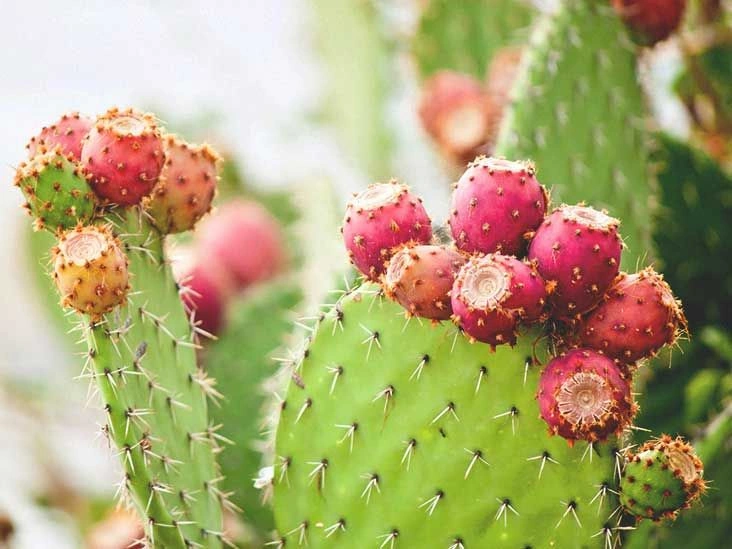
Nopal cactus, often called the prickly pear, grows natively across the southwestern United States and Mexico. Its flattened pads are edible when young, though they become too fibrous to eat as the plant matures. In many regions of Mexico, nopal is a staple ingredient in traditional dishes.

There are multiple uses for nopal cactus: it’s used in jellies and confections, and even historically as an additive to help set plaster. Beyond culinary uses, this cactus is valued for a range of medicinal benefits.
1. It has antiviral qualities
Preventing viral infection is ideal, and nopal cactus exhibits antiviral actions. Early studies suggest activity against viruses such as herpes simplex (HSV), respiratory syncytial virus (RSV), and HIV.
2. It helps protect neurons
Nerve cells, like other cells, are vulnerable to injury, which can cause loss of sensation or pain. Nopal cactus appears to have neuroprotective effects. For example, a 2014 paper reported properties that may guard nerve cells from damage or functional decline.
3. It’s rich in antioxidants
Antioxidants defend cells from damage caused by free radicals. Nopal cactus is abundant in antioxidant compounds, and a 2013 study showed the cactus can lower oxidative stress. Antioxidant benefits apply broadly across ages and health statuses.
4. It may help control blood glucose
Controlling blood sugar is a major challenge for people with diabetes, and nopal cactus may offer supplementary support. Some research indicates it can reduce and regulate blood glucose levels. A 2012 study recommended using nopal alongside conventional diabetes medications to aid in glycemic control.
5. It might treat benign prostatic enlargement
An enlarged prostate can cause discomfort and increased urinary frequency in men. Preliminary research indicates nopal cactus could help manage enlarged prostates and might even show promise against prostate cancer, potentially with fewer side effects than standard pharmaceuticals.
6. It may lower cholesterol
Early research found that nopal cactus can reduce cholesterol levels. Overall cholesterol decreased, with a notable reduction in LDL (“bad”) cholesterol. Nopal may offer lipid-lowering effects with fewer adverse reactions than typical cholesterol drugs.
7. It can help prevent hangovers
Nopal cactus may alleviate hangover symptoms, especially when taken before alcohol consumption to prevent symptoms rather than treat them after the fact. A 2004 study reported strong evidence that extract of prickly pear significantly lessened hangover severity when consumed prior to drinking.
Forms and dosages
You can obtain nopal cactus’s benefits in several forms. Eating the fresh pads offers the most direct nutritional advantages. Alternatively, supplements are available as capsules, powders, extracts, and liquid formulations.
More trials are needed to define safe and effective dosing for each form. Most supplement manufacturers suggest a daily dose in the ballpark of 500–650 milligrams.
Potential risks
Consuming nopal as food is generally safest and tends to cause the fewest side effects. Supplements are considered possibly safe but require more evidence. Remember that dietary supplements aren’t regulated by the U.S. Food and Drug Administration for safety, purity, or labeling, so pick products from trustworthy manufacturers.
Reported side effects of nopal supplement use include:
- headache
- nausea
- bloating
- diarrhea or increased stool frequency
Pregnant women or those trying to conceive should avoid nopal supplements due to insufficient safety data.
People with diabetes should exercise caution because nopal can influence blood glucose. Consult your healthcare provider before use and monitor blood sugar closely if you try it.
Recipes
Want to add more nopal cactus to your meals? Try these simple recipes:















Leave a Reply
You must be logged in to post a comment.