

Jojoba oil is a mild oil you can apply straight to your skin. It may offer several health advantages, such as hydrating the skin and functioning as an antioxidant.
The jojoba plant is a resilient, perennial shrub native to North America. It not only survives in tough desert environments that would kill many plants, but it also yields a nut with numerous therapeutic qualities.
The nut from the jojoba plant is processed into an oil. Jojoba oil is mild enough to serve as a carrier oil for blending with other essential oils, though it’s also effective on its own.
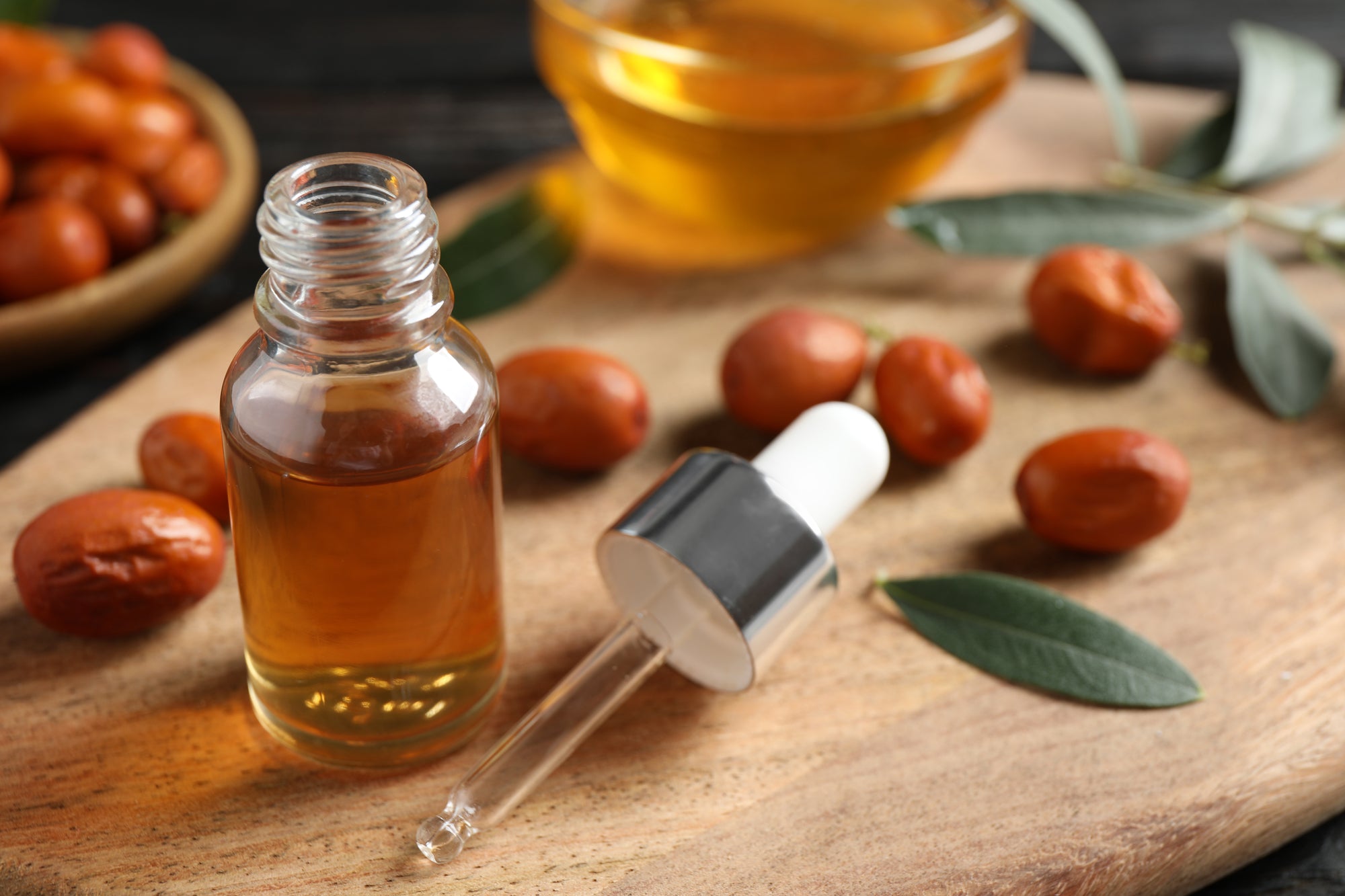
Many people incorporate jojoba oil into their skincare regimens — and for good reason. There is substantial evidence supporting the use of pure jojoba oil to address acne, dry skin, and a variety of other skin issues.
Continue reading to learn more about how jojoba oil can benefit your skin.
1. It moisturizes
Jojoba oil is a humectant. That means it attracts moisture to the outermost layer of the skin, helping keep skin hydrated. This may reduce the likelihood of bacterial infection, acne, and dandruff forming.
2. It has antibacterial qualities
Jojoba oil possesses antimicrobial and antifungal characteristics. Although laboratory studies showed jojoba oil doesn’t eliminate all bacteria or fungi, it does inhibit certain microbes that can cause salmonella, some E. coli strains, and candida.
3. It acts as an antioxidant
Jojoba oil contains natural forms of vitamin E. This vitamin supports your skin as an antioxidant, meaning jojoba oil can help skin resist oxidative damage from daily exposure to pollutants and toxins.
4. It’s noncomedogenic
Although derived from a plant, the composition of jojoba oil closely resembles the oil (sebum) your skin makes naturally, so your skin often can’t distinguish between them.
Because of this similarity, it’s less likely to accumulate on the skin and block pores, leading to fewer breakouts and milder acne.
5. It’s hypoallergenic
On a molecular level, jojoba oil is a wax. While it can be absorbed into the skin, its waxy nature also helps form a comforting barrier on the surface.
Unlike many botanical essential oils, jojoba oil is usually nonirritating. Allergic reactions are uncommon.
6. It helps regulate sebum production
Jojoba oil helps control sebum production because it closely mirrors the sebum your body naturally makes.
When applied, jojoba oil soothes and hydrates the skin, signaling hair and sweat follicles that extra sebum isn’t necessary for moisture.
This prevents skin from appearing overly oily and helps lower the risk of acne caused by clogged pores.
7. It may support collagen production
The antioxidant content of jojoba oil may assist your body in producing collagen. Collagen is a protein present in your skin, joints, and cartilage-rich parts of the body.
Collagen levels decline with age, contributing to changes in facial structure over time. At least one study links topical antioxidants with enhanced collagen synthesis.
8. It may accelerate wound healing
Jojoba oil is a promising agent for promoting wound repair. Early research indicates jojoba oil helps skin cells rejoin after being separated by a cut or scratch.
This property might also explain its usefulness for acne and acne scars. Jojoba oil’s wound-healing effects could be tied to its natural vitamin E content.
9. It may calm eczema, psoriasis, and other dry skin conditions
Jojoba oil exhibits anti-inflammatory and reparative effects. Topical use may ease dryness, flaking, itching, and associated symptoms.
Individuals with inflammatory skin disorders such as psoriasis and eczema may find jojoba oil particularly helpful.
10. It may help relieve sunburn
Jojoba oil is a common component in some natural sunscreen formulations. Research suggests vitamin E, together with other antioxidants, can help shield skin from sun harm. Jojoba oil contains both elements.
Sun damage can dry out skin and cause peeling. Jojoba oil replenishes vitamin E, restores moisture, and aids recovery to soothe sunburn symptoms.
11. It may help manage acne
At least one clinical trial suggests jojoba oil can help prevent acne. It offers calming anti-inflammatory action, healing benefits, hydration, and natural antimicrobial effects.
These qualities indicate jojoba oil could reduce breakouts and promote recovery from mild acne.
12. It may diminish fine lines and wrinkles
Oxidative stress has been associated with the appearance of fine lines and wrinkles. While there’s no direct research tying jojoba oil to wrinkle reduction, other plant-derived antioxidants have been shown to boost skin elasticity.
This suggests jojoba oil’s antioxidant capacity may help slow visible signs of aging when applied to the skin.
13. It may lessen the look of scars
Vitamin E has long been recommended for scar care, though research on its effectiveness — and the degree to which it helps — is ongoing.
If you want to try vitamin E for scarring, jojoba oil may aid the healing process.
Jojoba oil’s inherent wound-repairing qualities combined with its vitamin E content could reduce scar visibility.
How to use
Unlike many essential oils, jojoba oil does not require dilution and can be applied directly to the skin.
Before introducing jojoba oil or any new cosmetic to your routine, perform a patch test to confirm you’re not allergic. Follow these steps for a patch test:
- Apply three or four drops of jojoba oil to the inner forearm.
- Cover with a bandage and wait 24 hours.
- Remove the bandage and inspect the skin. If there’s no redness, hives, or irritation, it’s likely safe to use.
How you use jojoba oil depends on your goal. Use it as a lip balm for dry, chapped lips, or apply it across your face at night as an anti-aging serum.
You can also blend jojoba oil with other natural anti-acne ingredients to create a DIY mask, as participants did in one study.
Jojoba oil is safe for the eye area, unlike many other ingredients, which makes it a favored remover for oil-based makeup.
Potential side effects and risks
Because jojoba oil is hypoallergenic, it’s generally safe for topical application.
However, on rare occasions, jojoba oil has caused allergic reactions, including hives and itching.
To prevent these adverse effects, perform the patch test described above before regular use.
Popular jojoba oil products to try
To maximize the benefits of jojoba oil in your skincare routine, choose brands that offer organic, cold-pressed jojoba oil.
Cold-pressed oils preserve more of the plant’s antioxidants than oils produced by the common hot-press method. These extra antioxidants may enhance jojoba oil’s skincare effects.
Some well-known jojoba oil options include:
- ArtNaturals Organic Jojoba Oil
- Leven Rose Pure Cold Pressed Natural Unrefined Moisturizer for Skin, Hair and Nails
- NOW Solutions Certified Organic Jojoba Oil
- Cliganic 100% Pure & Natural Jojoba Oil
The bottom line
Jojoba oil offers multiple restorative properties that may make it effective for treating skin issues like acne, eczema, and psoriasis.
You can benefit from it as a cleanser, moisturizer, or targeted treatment. It’s usually safe to use anywhere on the body, including the face, without dilution.
If you develop a rash or other allergic signs, stop using it.




















Leave a Reply
You must be logged in to post a comment.