
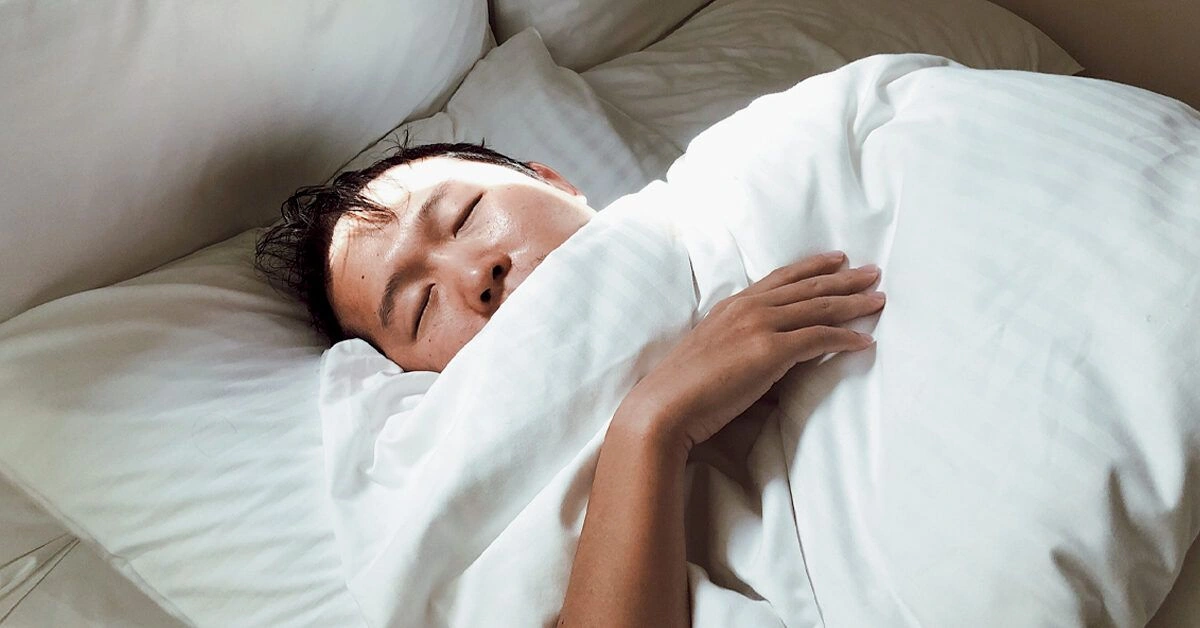
Night sweats are most often benign. However, alcohol consumption can sometimes be a more concerning cause. This may occur in people with an alcohol use disorder, those who binge drink, or even after a single drink in some individuals.
You might not view sweating as beneficial, but it plays a key role. Perspiration is an essential component of the body’s cooling mechanism. Sweat glands remain active even while you sleep.
If you’ve ever awakened in the night drenched in sweat, you’ve experienced night sweats.
Menopause, low blood sugar, and infections that cause fever can all provoke night sweats. Certain drugs, including antidepressants and corticosteroids, are also known triggers. If your sleepwear or a hot bedroom is causing the sweating, it’s generally not labeled night sweats.
Alcohol consumption can also be responsible. People who are physically dependent on alcohol may develop night sweats as a result of abrupt withdrawal. Experiencing frequent night sweats linked to drinking could be a sign of a drinking problem.

How alcohol leads to night sweats
Alcohol impacts the central nervous system, the cardiovascular system, and many other bodily functions. Drinking can raise heart rate and dilate blood vessels near the skin’s surface, which may prompt sweating.
Is it possible to sweat alcohol out of your body? The answer is both yes and no.
A small portion of alcohol is metabolized in the stomach lining, but the liver handles the majority of alcohol breakdown. Most of the ethanol you ingest is converted into metabolic byproducts within your body.
Perspiring, including experiencing night sweats, won’t speed the removal of alcohol from your system.
Night sweats can also appear during alcohol withdrawal, and like many withdrawal symptoms, this effect is typically temporary.
Alcohol withdrawal and night sweats
If you’re a habitual drinker and you haven’t had alcohol recently, night sweats might signal withdrawal.
Withdrawal symptoms can begin within a few hours after your last drink or may take several days to emerge. Some symptoms can persist for weeks before fully resolving.
If you have night sweats along with some of the following signs, it could indicate you’re experiencing alcohol withdrawal.
Common symptoms
Sweating, clammy skin, and night sweats are frequent withdrawal symptoms. You may also notice anxiety, low mood, or irritability. Other common signs include:
- nausea
- trembling
- nightmares
- difficulty sleeping
- fatigue
- headaches
- decreased appetite
- muscle aches
- restlessness
- muscle pain
- fever
Severe symptoms
- vomiting
- rapid heartbeat
- palpitations
- elevated blood pressure
- changes in breathing rate
- severe tremors
- confusion
Symptoms of delirium tremens
Delirium tremens (DT) is the most extreme form of alcohol withdrawal. It can produce intense sweating, high fever, hallucinations, and seizures — a potentially life-threatening condition that requires immediate medical attention.
DT symptoms most often begin 48 to 96 hours after the last drink, though they can occasionally appear up to 10 days later. These symptoms can escalate rapidly and may include:
- body tremors
- altered mental functioning
- heightened irritability
- confusion or disorientation
- reduced attention span
- deep, prolonged sleep lasting a day or more
- delirium
- agitation
- fear
- hallucinations
- increased activity
- rapid mood swings
- sensitivity to light, sound, or touch
- drowsiness
- extreme tiredness
- seizures
If these signs occur alongside persistent night sweats, you may be undergoing alcohol withdrawal.
Alcohol intolerance and night sweats
Sometimes alcohol-related night sweats are a result of alcohol intolerance. This condition stems from a genetic variant. With this mutation, the body can’t produce the enzymes needed to break down toxic byproducts of alcohol.
Other features of alcohol intolerance may include:
- flushing of the face
- hives
- worsening asthma symptoms
- runny or congested nose
- low blood pressure
- nausea
- vomiting
- diarrhea
Because alcohol intolerance is hereditary, there’s no cure at present. The most effective way to reduce symptoms is to avoid or limit alcohol intake.
Strategies for managing alcohol-related night sweats
Excessive sweating causes significant fluid loss, so it’s important to rehydrate by drinking ample water. You should also consider:
- washing your skin to remove salt from dried sweat
- changing your sheets before returning to bed
- keeping the bedroom at a cool, comfortable temperature
- avoiding heavy bedding
Consult your healthcare provider if you’re unsure of the cause of your night sweats or if other symptoms accompany them. Night sweats related to alcohol may be a sign of a drinking problem that warrants attention.
Could you be alcohol dependent?
A clinician can diagnose alcohol dependence using established criteria. You may be dependent on alcohol if three or more of the following apply to you:
- continuing to drink despite knowing the harm it causes
- consuming larger amounts or drinking for longer than intended
- spending extra time and effort obtaining or using alcohol
- developing tolerance to alcohol
- experiencing withdrawal (physical or psychological) after stopping for a short time
- difficulty cutting down or controlling alcohol use
- neglecting important activities and responsibilities
These behaviors must significantly impair your performance at school, work, or in relationships.
Resources for help
If you suspect you’re dependent on alcohol, help is available. For more information about alcohol dependence and where to seek assistance, visit these organizations:
- National Council on Alcoholism and Drug Dependence
- National Institute on Alcohol Abuse and Alcoholism
- National Institute on Drug Abuse
- Substance Abuse and Mental Health Services Administration
- DrugFree.org
- Alcoholics Anonymous
- Al-Anon Family Groups










Leave a Reply
You must be logged in to post a comment.