

Figs and their leaves are loaded with nutrients such as copper and vitamin B6 and may provide several possible health advantages.
Figs (Ficus carica) are a distinctive fruit that look somewhat like a teardrop.
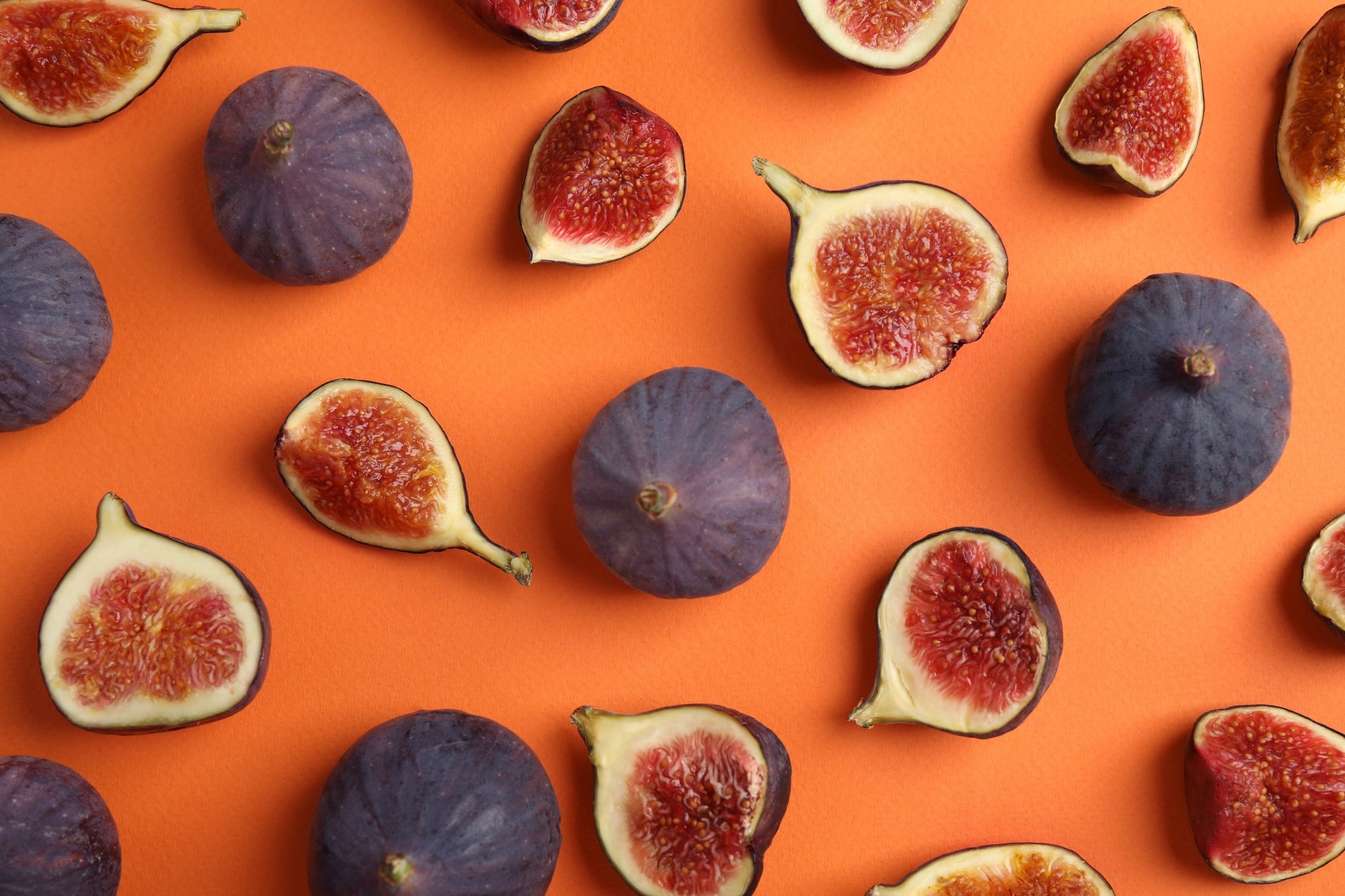
They’re roughly thumb-sized, contain hundreds of tiny seeds, and have an edible purple or green skin. The interior is pink and offers a gentle, sweet flavor.
Figs are nutrient-dense and could deliver a variety of health-promoting effects.
This article examines figs — their nutrient profile, potential benefits and drawbacks, and practical ways to incorporate them into your diet.
Fig nutrition
Fresh figs offer many nutrients while remaining relatively low in calories, making them a valuable inclusion in many diets.
One small fresh fig (40 grams) provides:
- Calories: 30
- Protein: 0 grams (g)
- Fat: 0 g
- Carbs: 8 g
- Fiber: 1 g
- Sugar: 6.5 g
- Copper: 3% of the Daily Value (DV)
- Magnesium: 2% of the DV
- Potassium: 2% of the DV
- Riboflavin:2% of the DV
- Thiamine: 2% of the DV
- Vitamin B6: 3% of the DV
- Vitamin K:2% of the DV
Figs are especially notable for their copper and vitamin B6 content.
Copper is an essential mineral involved in many bodily functions, including energy metabolism and the formation of blood cells, connective tissue, and neurotransmitters.
Vitamin B6 is an important vitamin needed to help your body break down dietary protein and synthesize new proteins. It’s also vital for brain function.
Do figs contain a lot of sugar?
Fresh figs have natural sugars, making them a sweet snack choice compared with items high in added sugars.
Keep in mind that dried figs lack the water content of fresh ones. That concentrates the sugars and calories into a smaller volume.
For example, 40 g of dried figs contains roughly 100 calories and 20 g of sugar, while 40 g of fresh figs has 30 calories and 6.5 g of sugar.
Benefits
Figs may offer multiple potential health benefits.
Support digestive health
Figs have been traditionally used to address digestive complaints and support gut health.
They contain fiber, which can help regulate bowel movements and ease constipation by softening stools and increasing bulk. Fiber also acts as a prebiotic, feeding beneficial gut bacteria.
A 2019 trial of 150 people with IBS-C found that those who ate about 4 dried figs (45 g) twice a day experienced a notable improvement in symptoms — including pain, bloating, and constipation — compared with a control group.
May benefit vascular and heart health
Figs could influence vascular health and potentially lower heart disease risk.
A 2023 review reported that some animal studies showed fig leaf extract supplementation led to improvements in:
- blood pressure
- total cholesterol
- HDL (good) cholesterol
- triglyceride levels
However, the authors point out that the few human studies evaluating figs’ effects on blood lipids did not find significant benefits; in some cases figs slightly raised LDL (bad) cholesterol and fasting glucose. More clinical research in humans is necessary to clarify figs’ impact on heart health.
May assist with blood sugar management
Some evidence suggests figs might help regulate blood sugar.
A 2019 study showed that beverages containing high levels of fig fruit extract had a lower glycemic index (GI) than drinks without fig extract, indicating a potentially better effect on blood sugar.
A 2020 animal study in obese mice reported that fig extract improved glucose tolerance, insulin sensitivity, and fasting glucose — possibly due to figs’ relatively high abscisic acid content.
Nonetheless, fig fruits — especially dried ones — are sugar-rich and can raise blood glucose in the short term. If you have difficulty controlling blood sugar, you may want to limit dried fig intake.
Potential anticancer activity
Many encouraging in vitro studies have examined fig leaves’ effects on cancer cells.
Fig leaves and the natural latex from fig plants have demonstrated antitumor effects against human colon, breast, cervical, and lung cancer cells in laboratory settings.
That said, this does not mean eating figs or drinking fig leaf tea will produce the same effects in people. Test-tube findings are a useful starting point, but human research is required to understand how consuming figs or fig leaves influences cancer development.
May support healthy skin
Figs could have positive effects on skin health.
For example, a 2017 study in 45 children with dermatitis found that a cream made from dried fig fruit extract applied twice daily for two weeks was more effective at easing dermatitis symptoms than hydrocortisone cream, a common treatment.
A 2022 study with 15 participants also reported that drinking fig leaf tea helped reduce eczema symptoms.
Despite these findings, additional research is needed to confirm figs’ effectiveness for skin conditions. Fig extracts or fig leaf tea might be used alongside standard treatments.
Downsides
Figs may carry some potential disadvantages.
For example, because they’re sometimes used as a home remedy for constipation, consuming excessive amounts of figs may lead to diarrhea or other digestive upset.
Some individuals may also have fig allergies. A 2010 study found that people allergic to birch pollen may be more prone to fig allergy. Fig trees also produce natural latex, to which some people are allergic.
How to add figs to your diet
There are several ways to incorporate figs into your meals. The four main forms include:
- Fresh: Fresh figs are low in calories and make a tasty snack; they’re great in salads or desserts. You can also turn fresh figs into jams, preserves, or sauces.
- Dried: Dried figs are frequently used in baking and as a convenient sweet snack.
- Fig leaves: Fig leaves are used as wraps for dishes with rice, meat, or other fillings, similar to how grape leaves are used.
- Fig leaf tea: Fig leaf tea is prepared from dried fig leaves; you can brew it yourself or buy prepackaged fig leaf teas online or in specialty shops.
You can enjoy figs in many ways, but because of their high sugar content, use dried figs sparingly or as an occasional home remedy for constipation.
Frequently asked questions
How many figs should I eat a day?
The ideal number of figs per day depends on individual factors.
A 2019 study indicated that consuming 8 dried figs (90 g) daily helped ease IBS-C symptoms. However, that quantity may be excessive for people with diabetes given the high sugar in dried figs.
Consuming fewer dried figs, two to three fresh figs, or drinking fig leaf tea could offer benefits with less sugar intake.
Which organs might benefit from figs?
Figs may support organs in the gastrointestinal tract and the cardiovascular system.
The bottom line
Figs provide a range of potential health benefits. In addition to the fruit, fig leaves and fig leaf tea appear to offer healthful properties. Dried figs may be particularly useful for relieving constipation.
However, because dried figs are high in sugar, they should be consumed in moderation.
Overall, fresh figs, fig leaves, and fig leaf tea can be valuable additions to a balanced diet.























Leave a Reply
You must be logged in to post a comment.