
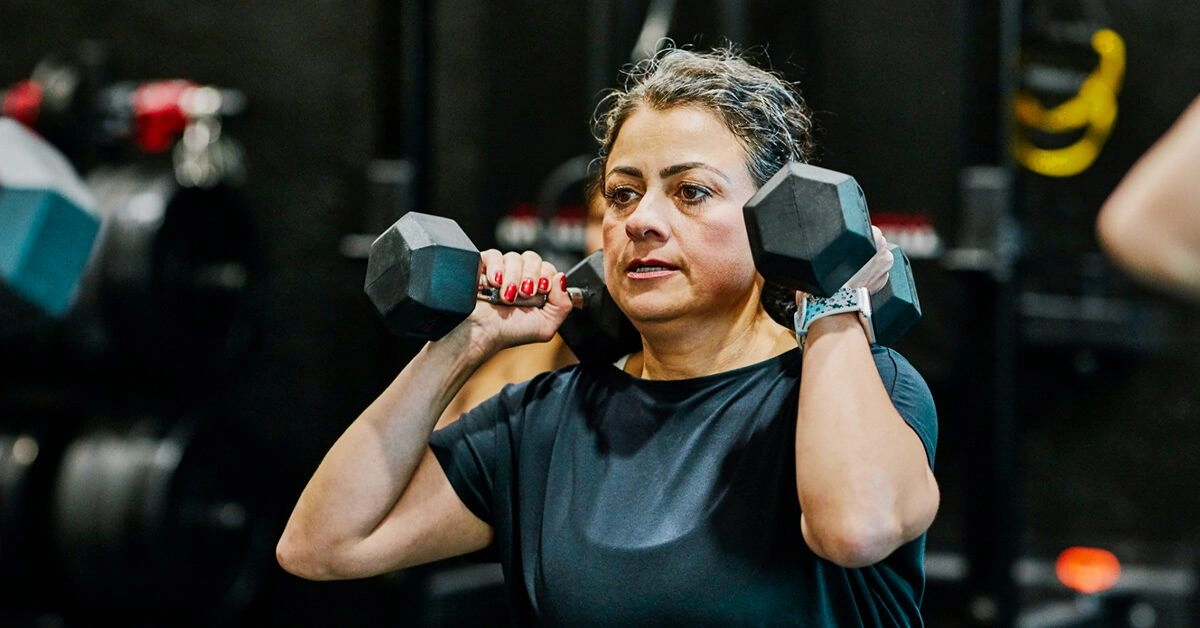
The conjugate training system is a strength-focused weightlifting program. It’s often called the Westside-Barbell Conjugate Method or simply Westside’s Conjugate Method.
This advanced protocol for athletes, bodybuilders, and lifters was created by Louie Simmons, founder of Westside Barbell in Columbus, Ohio.
It promotes strength development through a varied, individualized routine. Beyond increasing force production, it also seeks to boost muscular endurance and shore up weaker lifts.
To reap the most from this approach, you must consistently follow the program’s proper session structure. Read on to discover how the conjugate method operates, how to perform it, and its primary advantages.
What is the conjugate method?
The conjugate approach is a powerlifting-oriented training framework built around variations of three core movements:
- squat
- deadlift
- bench press
The weekly plan features four workouts, structured as:
- maximum-effort upper body
- maximum-effort lower body
- dynamic-effort upper body
- dynamic-effort lower body
Accessory movements are incorporated to target and strengthen specific weak points.
Varying the lifts prevents monotony and forces you to challenge your body in multiple ways.
Rotate your exercise selection
The conjugate format helps those aiming to increase muscle and strength by using a rotating plan that emphasizes both maximal loading and explosive work.
Altering exercises continuously challenges you and trains the body through diverse stimulus.
To alter the primary movements, you can also include:
- resistance bands
- chains
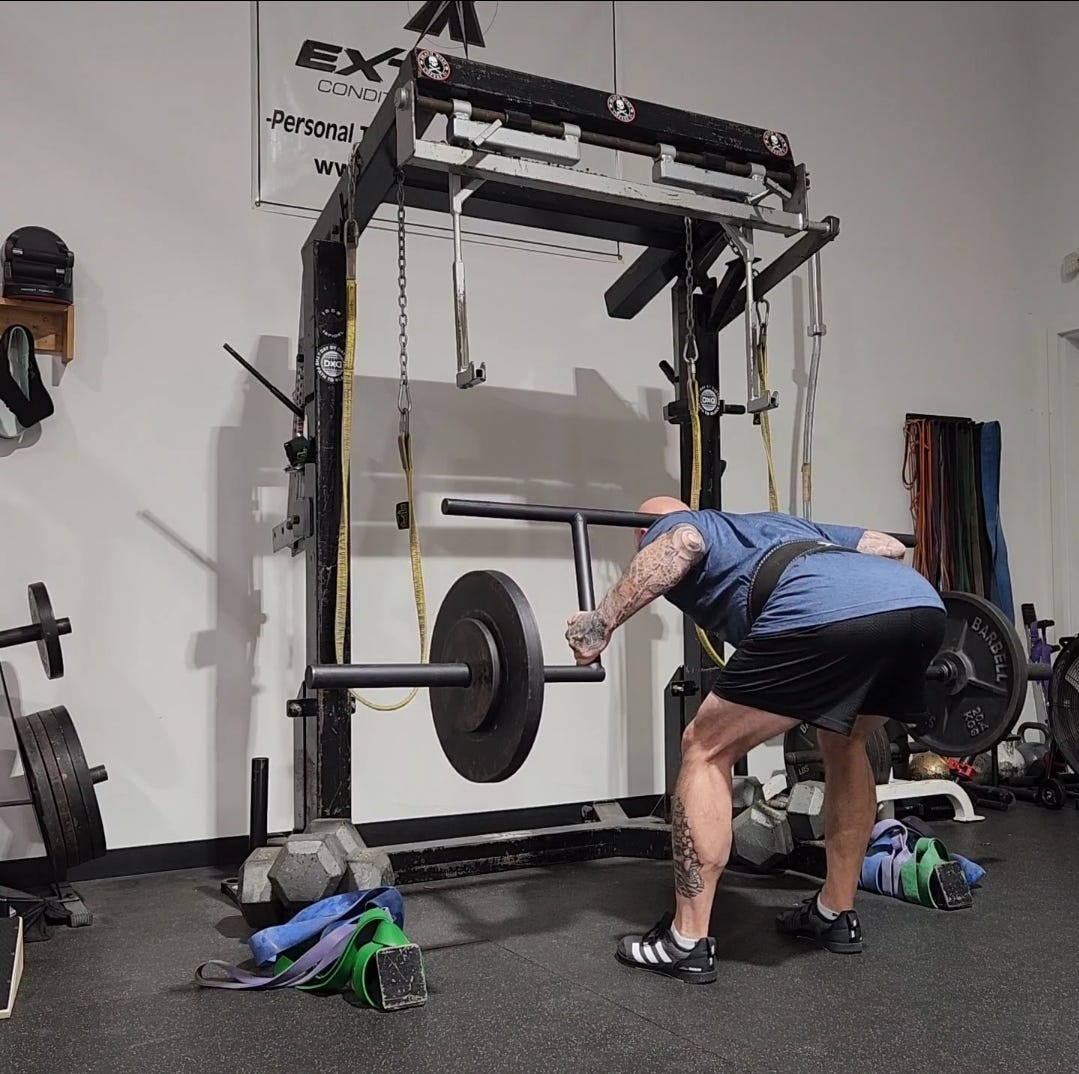
- specialty bars
Pinpoint and improve weaknesses
A key benefit of the conjugate approach is the focus on identifying and improving weaker components of your lifts.
This process helps you move beyond limiting points so you can keep progressing.
Besides increasing raw strength and muscle size, the conjugate variations also help to develop:
- power
- speed
- agility
Potential benefits for high blood pressure
The conjugate method may also be useful for people managing high blood pressure.
A small 2020 study reported that 10 women who followed a conjugate-style program experienced reductions in systolic blood pressure.
How is the conjugate method performed?
In the conjugate approach, you repeat the same movement patterns but perform them in slightly different variations.
That means cycling bench, squat, and deadlift variants, combined with accessory work designed to emphasize your weak links and address injury-prone areas.
Workouts are split into maximal-effort and dynamic-effort sessions for both upper and lower body. Consistently rotating main-lift and accessory variations helps prevent plateaus.
You can alter a main lift by changing grip width or stance, or by adding bands and chains to the bar to provide accommodating resistance.
Allow roughly 72 hours between a maximal-effort session and a dynamic-effort session for recovery. Each workout generally contains four to six exercises.
Below is a closer look at the two primary session types.
Maximal-effort method
Two maximal-effort sessions occur each week. These workouts use very heavy loads to recruit high-threshold, fast-twitch muscle fibers.
How to structure a maximal-effort workout:
- Start with a bench, squat, or deadlift variation as the primary lift. This main lift comprises about 20 percent of the session.
- The rest of the session consists of accessory movements to add volume and support the muscles involved in the main lift.
- The objective is to reach a 1–3 rep maximum using strict technique—perform these safely, ideally without requiring a spotter.
Your accessory choices should be tailored to your individual shortcomings. These exercises help increase overall strength and address weak points.
After cycling through a particular main-lift variation, avoid repeating it for 4–6 weeks. The following accessory lists are suitable for up to 3 weeks at a time.
Max-effort bench press
- incline bench press
- plank
- chest-supported T-bar row
- triceps skull crusher
- hammer curl
Max-effort squat
- partial box squat
- reverse hyper
- barbell rollout
- banded pull-through
- glute-ham raise
Max-effort deadlift
- snatch-grip deadlift
- stiff-leg deadlift
- leg extension
- lat pulldown
- single-leg Romanian deadlift
Dynamic-effort method
Two dynamic-effort sessions are also scheduled each week to train fast-twitch fibers and develop explosive power.
These sessions use submaximal loads moved with maximal intent, encouraging motor-unit recruitment and rapid force production.
You can increase the load by 5–10 percent across sessions to test a new submaximal threshold. Perform each rep as quickly as possible while maintaining sound technique.
Stick with a main variation for three straight weeks and gradually raise volume across that block.
Dynamic-effort bench press
- close-grip bench press
- dumbbell hammer curl
- dumbbell floor press
- biceps curl
- standing overhead press
Dynamic-effort squat
- box squat
- dumbbell Romanian deadlift
- weighted straight-leg raise
- belt squat
- ab rollout
Dynamic-effort deadlift
- block deadlift
- Romanian deadlift
- rack pull
- reverse hyper
- leg curl
Does the conjugate method produce results?
The conjugate training approach provides several advantages for strength development, which is the program’s primary objective.
It’s not primarily intended for fat loss or general fitness enhancement, although you may gain ancillary health benefits. The principal focus remains on building maximal strength.
A 2017 study supports the effectiveness of a combined maximal- and dynamic-effort plan for improving squat performance.
In that relatively small trial, participants who trained with this model for eight weeks improved their one-rep max squat more than those who continued their usual routines.
The conjugate method is well-suited to athletes and coaches who want to craft individualized programs that address specific performance needs.
Train to your weaknesses
By rotating lifts and choosing accessory movements that target your deficits, you can more effectively strengthen precise weak points.
This tailored approach often outperforms one-size-fits-all programs that don’t consider individual variability.
Do diet and lifestyle influence progress?
To optimize gains from the conjugate method, follow sensible diet and lifestyle habits.
Nutrition
To support performance and recovery, consume enough calories—this might require more frequent meals.
Fill meals with balanced sources of:
- protein
- carbohydrates
- healthy fats
Pick foods that support muscle growth and strength. Examples include:
- chicken breast
- salmon
- pork tenderloin
- ground beef
- cottage cheese
- Greek yogurt
- milk
- quinoa
- beans
- oatmeal
- fresh or dried fruit
- seeds, nuts, and nut butters
- fresh or steamed vegetables
Avoid items that are:
- deep-fried
- highly processed
- loaded with added sugar
Limit or eliminate sugary sodas, alcoholic drinks, and similar beverages.
Lifestyle
Alongside a healthy diet and consistent training, maintain supportive lifestyle habits.
Even though pushing hard is part of strength training, it’s crucial to heed your body and back off if you notice pain, excessive fatigue, or illness.
Keep these guidelines in mind:
- Allow adequate downtime for rest and recovery.
- Aim for 7–9 hours of sleep per night when possible.
- Steer clear of overtraining, which can lead to fatigue and burnout.
- Make time for enjoyable activities—physical, mental, or creative.
- Manage stress with self-massage, guided meditation, or other relaxing practices.
Summary
The conjugate method is an excellent choice for bodybuilders, athletes, and lifters seeking to increase strength, endurance, and muscle mass.
Its rotating variations provide endless programming options to keep training interesting and effective.
By varied stimulus and prioritizing weak areas, you can break through limitations and enhance performance.
Stay committed to your goals and consistent in your approach as you continue to push yourself.
If you experience severe or persistent pain after training with the conjugate method, contact your physician.






















Leave a Reply
You must be logged in to post a comment.