
Plants are great. They brighten your rooms and give you a living companion to chat with when people aren’t around.
It turns out that having the right plants in enough numbers can also raise indoor moisture (aka humidify) the air, which brings a host of health perks.
Proper humidity levels can:
- ease dry skin and chapped lips
- prevent a scratchy or dry throat
- alleviate irritated sinuses and nasal dryness
- reduce nosebleeds
- lower the risk of infections and allergy symptoms
Plants add moisture to the air via evapotranspiration.
Water moves from the soil up through a plant’s roots, along stems, and to the leaves (transpiration), where it evaporates into the surrounding air through tiny pores called stomata.
Want to work on your plant collection? Below we’ll go over which species to pick and which to avoid, plus a few pro tips to get the most humidity and air-cleansing benefits from your greenery.

Spider plant
Spider plants are among the top choices for boosting indoor humidity, according to 2015 research.
NASA backs them up, too — a study from the 1980s found spider plants help remove indoor pollutants like carbon monoxide and formaldehyde.
Best part: they’re easy to grow.
Their stems trail, so a hanging pot works well to let them cascade.
Spider plants prefer bright, indirect light, so place them by a well-lit window. Keep the soil consistently moist but avoid waterlogging.
Jade plant
Research indicates jade plants can raise a room’s relative humidity. Much of their transpiration occurs in the dark, making them useful for adding moisture during the shorter, darker days.
To help a jade thrive, position it in a bright spot such as a south-facing window. Watering frequency depends on the season.
During spring and summer — its active growth period — water thoroughly, then wait until the soil is nearly dry before watering again.
In fall and winter, growth slows or stops, so allow the soil to dry out completely between waterings.
Areca palm
Palms are generally excellent humidifiers, and the areca palm (also called the butterfly or yellow palm) is no different.
They’re fairly low-maintenance but need plenty of light and consistently moist soil. Place them near a sunny window and water to keep the soil damp, especially in warmer months.
They can reach 6 to 7 feet tall and dislike cramped roots, so plan to repot every couple of years as they grow.
English ivy
English ivy (Hedera helix) is simple to care for and grows vigorously, offering a lot of benefit for little effort.
It’s been shown to have one of the highest transpiration rates, making it effective at raising relative humidity and removing carbon monoxide indoors.
A hanging basket suits this small-leaved ivy well. It will grow as long and lush as you allow; prune to control its size.
English ivy prefers bright light and slightly dry soil. Check that the soil is nearly dry before watering again.
Lady palm
The lady palm is a dense, forgiving plant when it comes to light and water requirements.
It thrives in bright light but adapts to lower-light areas, though growth may slow.
Water thoroughly once the top surface of the soil feels dry to the touch — always check soil moisture before adding water.
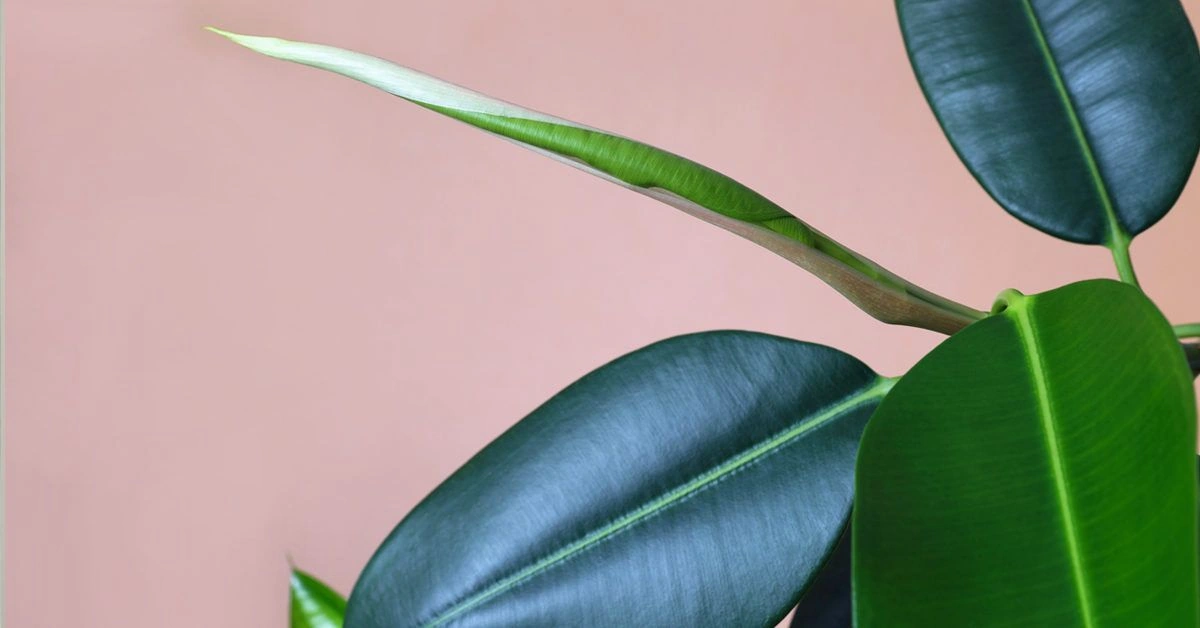
Rubber plant
Rubber plants are less fussy than many tropical houseplants, so they’re easy to keep alive. They also have a high transpiration rate and help filter indoor air.
They prefer partial sun to partial shade and tolerate cooler temperatures and drier soil — ideal for those who tend to unintentionally neglect their plants.
Allow the soil to dry between waterings. During fall and winter, you can halve your watering frequency.
Boston fern
Boston ferns both add moisture and remove toxins from indoor air, and they’re lush and attractive.
Keep a Boston fern happy by maintaining consistently moist soil and placing it where it receives lots of indirect light.
Occasional misting of the fronds can help keep it perky when indoor heating or a fireplace dries out the air.
Peace lily
Peace lilies are tropical evergreens that produce white flowers in summer. They commonly reach around 16 inches tall, but can grow taller under ideal conditions.
Peace lilies prefer warm rooms with good light and like to keep their soil moist.
They can tolerate an occasional missed watering better than too much water.
If you have cats, keep this plant out of reach or avoid it — lilies are toxic to felines.
Golden pothos
Golden pothos, also called devil’s ivy or devil’s vine, is notoriously hard to kill. It can tolerate missed waterings and low light, and still bounce back.
That said, it does best in brighter conditions and appreciates regular watering with drying between waterings.
Its trailing vines can grow as long as you let them, making it perfect for hanging pots or high shelves.
Keep it up high if you have pets — some compounds in pothos are poisonous to dogs, cats, and even horses.
Dwarf date palm
Dwarf date palms, or pygmy date palms, are like miniature versions of tropical palm trees and make excellent houseplants.
They help clean air and add humidity, and are straightforward to care for.
They can reach 6 to 12 feet tall with bright, indirect light and moist (not waterlogged) soil.
They prefer a slightly warm environment, so avoid placing them near cold drafts or chillier windows.
Corn plant
The corn plant won’t produce edible corn — just foliage that resembles corn leaves and an occasional bloom if well cared for. It also helps humidify a room and absorb harmful vapors.
Care is simple: let the top inch of soil dry before watering again, and keep it in a bright room where it receives a good amount of indirect light.
Parlor palm
Another high-transpiration palm that’s easy to grow is the parlor palm.
It prefers partial sun but tolerates full shade as long as you keep the soil consistently moist with a couple of waterings per week.
Give it room by upsizing the pot every year or two, or whenever the roots look crowded.
Plants to avoid
While most plants benefit your indoor environment, some have the opposite effect in terms of humidity.
These species tend to conserve moisture rather than release it. A few won’t suddenly dry out a room, but if you want maximum humidity, you may want to limit them.
Plants that fall into this group are those adapted to arid environments and need very little water.
Examples include:
- cacti
- succulents
- aloe vera
- euphorbia (also called “spurge”)
/SPR-how-to-make-a-pebble-tray-7371481-Hero-C-5d303cbb85744594b59e9839a63d5abd.jpg)
Pro tips
To get the most moisture and filtration from your houseplants, consider these tips:
- Size counts. Larger-leaved plants usually transpire more, so choose bigger foliage to humidify and clean the air.
- More is better. Aim for at least two substantial plants per 100 square feet — more plants yield bigger effects.
- Group them. Keep plants near each other to raise local humidity and help them thrive.
- Use pebble trays. If your indoor air is dry, set plants on pebble trays with water to boost humidity for both the plants and the room.
The bottom line
If you’re combating dry indoor air and have room to spare, consider adding houseplants. In this case, more is definitely better.
For a measurable change to your home’s air, try to have multiple plants in each room. If space is limited, opt for larger species with substantial leaves.






















Leave a Reply
You must be logged in to post a comment.