

Cabbage is a member of the Brassica family, which also includes broccoli, cauliflower, and kale. Informally, these are often called cruciferous vegetables (1).
This adaptable vegetable can be eaten raw, steamed, fermented, or even turned into juice.
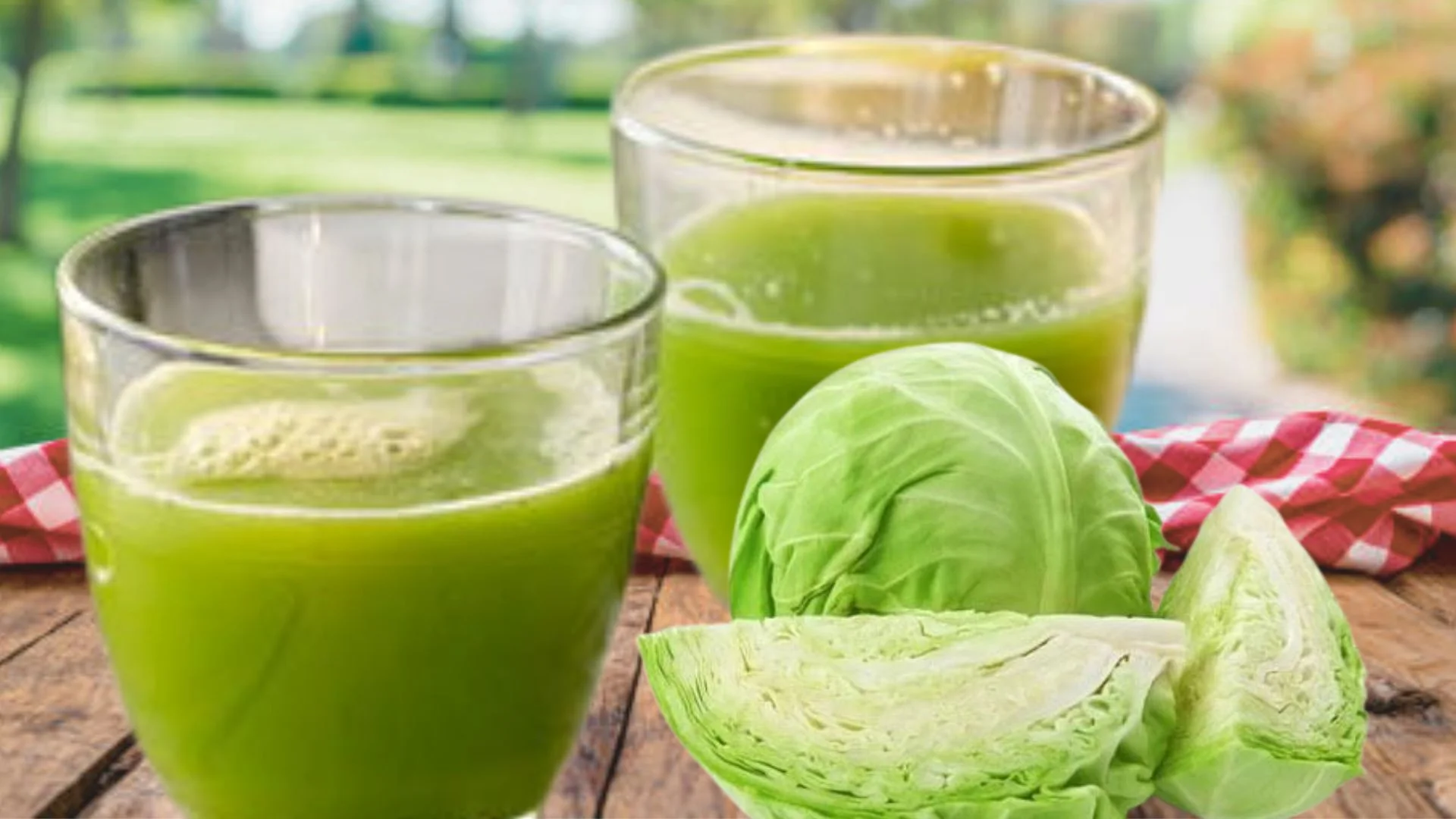
Cabbage juice is rich in nutrients like vitamins C and K, and consuming it has been associated with various claimed benefits, including weight management, improved digestive health, reduced inflammation, hormone balance, and detoxification.
However, only some of those claims have solid scientific backing.
This piece summarizes what is known about cabbage juice, covering its uses, possible health perks, and potential downsides.
Benefits of drinking cabbage juice
Although many studies support the health merits of whole vegetables such as cabbage, fewer investigations focus specifically on consuming vegetables as juices (2).
Still, research suggests there may be advantages to drinking cabbage juice. Many studies to date are animal-based, so more human-focused research is required.
Rich in antioxidants
Cabbage juice is abundant in antioxidants, compounds that help prevent cellular damage from free radicals. Excess free radicals can promote inflammation and disease (3).
Cabbage is notably high in vitamin C, which supports immune function and serves as a strong antioxidant (4).
Red cabbage contains anthocyanins — plant pigments that give it a reddish-purple hue and possess potent antioxidant effects. Diets rich in anthocyanins are linked to benefits such as lower heart disease risk (5).
Some antioxidants in cabbage juice may also exhibit anticancer activity. In a laboratory study, cabbage juice triggered death in human breast cancer cells, an effect attributed to indole antioxidants present in the juice (6).
May reduce inflammation
Cabbage juice contains various compounds that might help lower inflammation.
While acute inflammation is a normal response to injury or stress, chronic inflammation can be harmful and contribute to disease. Reducing long-term inflammation is therefore important (7).
Cabbage is rich in anti-inflammatory agents, including sulforaphane (a sulfur-containing compound common in Brassica vegetables) and kaempferol, an antioxidant with anti-inflammatory properties (8, 9).
A laboratory study found that red cabbage juice showed anti-inflammatory effects on spleen cells (10).
Another experiment evaluated cabbage extract applied topically for skin inflammation. In mice with contact dermatitis, an ointment containing cabbage extract significantly lowered inflammation (11).
Could support gut health
Drinking cabbage juice might help prevent and treat stomach ulcers.
Cabbage juice has a history of traditional use for stomach ulcers, and some older studies suggest it may be effective (12, 13, 14).
Although human data are limited, animal research indicates cabbage juice may aid ulcer healing.
For instance, a rat study showed that cabbage extract markedly improved gastric ulcer healing and helped prevent ulcers from forming (15).
Still, human studies on cabbage juice and ulcers remain scarce.
Fermented cabbage products may also support gut health. The liquid from fermenting cabbage (such as sauerkraut juice) is rich in lactic acid bacteria, probiotics known to benefit the digestive system (16).
Other possible advantages
Additional potential benefits of drinking cabbage juice include:
- Possible anticancer properties. Cabbage juice may help shield against certain cancers. Eating five or more servings of cruciferous vegetables per week has been linked to a roughly 33% lower risk of lymphoma in women (8, 17, 18).
- Heart health support. In one trial, participants who drank juice containing cabbage had lower cholesterol than controls. Other studies associate cruciferous vegetable consumption with reduced heart disease risk (19, 20).
- Enhanced nutrient absorption. Cabbage supplies beta-carotene, which converts to vitamin A. Research indicates that drinking cabbage juice can improve beta-carotene absorption compared with consuming whole cabbage (21, 22).
- More convenient than raw cabbage. Because juice reduces volume, it’s easier to ingest larger quantities of cabbage as a drink rather than eating it raw. Juices are also portable and simple to consume on the go. You can also learn more about the broader benefits of cabbage to include it in your diet in different ways.
Summary: Cabbage juice may deliver antioxidant, anti-inflammatory, and gut-supporting benefits. More research is needed to fully clarify its health effects.
Potential side effects
While cabbage juice likely offers several positives, there are some possible downsides to bear in mind.
Large amounts may impact the thyroid
Some data indicate that high consumption of cabbage could influence thyroid function.
Cabbage contains goitrogens, compounds that can interfere with iodine uptake by the thyroid, which is necessary for normal thyroid activity.
A few studies have observed links between cruciferous vegetable intake and thyroid cancer risk, though findings are not definitive (23, 24, 25).
Goitrogens are generally more abundant in raw cabbage, so people with thyroid disorders (like hypothyroidism) might consider avoiding raw cabbage juice (26).
Nevertheless, much research on cruciferous vegetables suggests their protective effects may outweigh potential risks (27, 28).
Some nutrients may interact with medications
Certain nutrients in cabbage juice can interact with medications.
Cabbage is high in vitamin K, which can alter how blood thinners such as warfarin work to prevent clots. People on these medications are usually advised to keep vitamin K intake consistent (29).
If you take a blood thinner, it may be best to avoid adding cabbage juice to your diet, or at least consult your healthcare provider before doing so (24).
Juicing removes much of the fiber
Juicing typically strips vegetables of most of their fiber. Fiber helps promote satiety, supports gut health, stabilizes blood sugar, and can lower cholesterol (30, 31).
Because cruciferous vegetables like cabbage are high in fiber, they’re recognized for positively influencing gut bacteria (32).
By juicing rather than eating cabbage whole, you may miss out on much of this beneficial fiber.
May cause digestive discomfort for some
Some people may experience gastrointestinal upset after drinking cabbage juice.
Cabbage commonly produces gas and is rich in fructans, a carbohydrate that many people with irritable bowel syndrome (IBS) struggle to digest (33).
Even small amounts can trigger IBS symptoms in sensitive individuals, including bloating, stomach pain, and diarrhea (34).
Summary: Drinking cabbage juice may influence thyroid function and interact with some medications. It can also cause digestive discomfort in certain people.
Should you drink cabbage juice?
Cabbage juice, like other green juices, can provide several health advantages.
Juicing is an easy way to consume a concentrated amount of nutrients and antioxidants in a convenient form.
However, people with IBS and those on specific medications should consult their healthcare provider before adding cabbage juice to their routines.
If you opt to drink cabbage juice, do so sparingly. Plain cabbage juice can be quite strong, so mixing it with milder juices such as apple or carrot can help mask the bitterness and improve taste.

If cabbage juice isn’t appealing, you can still enjoy its health advantages by eating whole cabbage. Dishes like sauerkraut, stuffed cabbage, and coleslaw are excellent options.
Summary: Cabbage juice can be a nutritious choice. If you have IBS or take blood thinners, check with your healthcare professional before use.
The bottom line
Cabbage is a nutritious, tasty, and adaptable vegetable that can enhance your diet.
Incorporating cabbage into daily juices can supply antioxidant, anti-inflammatory, and gut-supporting compounds that may benefit health in various ways.
If cabbage juice does not suit you, there’s no need to worry — you can gain the same advantages whether you eat cabbage whole or in other preparations.























Leave a Reply
You must be logged in to post a comment.