
Protein shakes, detox teas, and metabolism boosters are among the most sought-after supplements today.
While you can find these items at many supplement retailers, a large number of buyers obtain them through multilevel marketing (MLM) firms.
Arbonne is a well-known MLM that markets nutritional supplements and offers a diet plan called 30 Days to Healthy Living. You may be wondering if this regimen is effective and whether it’s appropriate for you.
This piece evaluates Arbonne’s 30 Days to Healthy Living plan, discussing its potential advantages, drawbacks, and whether it supports weight loss.
diet review scorecardOverall score: 1.83 Weight loss: 2 Healthy eating: 1.5 Sustainability: 1.25 Whole body health: 3.25 Nutrition quality: 1 Evidence-based: 2BOTTOM LINE: Arbonne’s 30 Days to Healthy Living program encourages some positive habits but depends on untrained consultants and questionable dietary practices. Coupled with steep costs, restrictive food rules, and reliance on supplements, it’s a program best avoided.
Pros and cons at a glance
Pros
- Users often praise the taste of the supplements.
- The program is straightforward and easy to follow.
- It promotes holistic health behaviors such as balanced eating, regular physical activity, mindfulness, and sufficient sleep.
Cons
- The plan enforces unnecessary food exclusions.
- Adhering to the plan requires buying Arbonne’s pricey products.
- The program lasts only 30 days, but you’ll likely need to continue it to keep results.
- The company makes several health claims that lack solid evidence.
- Most consultants earn very little — raising questions about Arbonne’s business ethics.
What is Arbonne’s 30 Days to Healthy Living?
Arbonne operates as an MLM that positions itself as a leader in health-focused personal care and nutritional products. It sells vegan skincare and a range of supplements.
Although dozens of items are available on its site, the most prominent offering is the 30 Days to Healthy Living plan, billed as a “reset” for those who have fallen into unhealthy habits.
Arbonne suggests that symptoms like digestive upset, low energy, or general health complaints indicate the body needs a reset to return to optimal function.
The program centers on eliminating foods you might be sensitive to, aiming to refresh the body from within.
To use the program and obtain the products, customers work with independent consultants — individuals who sell Arbonne products, represent the brand, and earn income from product sales and recruitment.
Although consultants provide dietary recommendations and sell supplements, they are not required to hold formal credentials in nutrition or health fields.
The company’s 30 Days to Healthy Living guide outlines six primary steps:
Step 1: Remove trigger foods
The initial step is to cut out foods Arbonne deems detrimental to wellness. The list includes alcohol, coffee, dairy, wheat, gluten, soy (with the exception of organic non-GMO tempeh), and artificial sweeteners for at least 30 days.
The company does not present supporting evidence for these assertions.
Because this approach functions like an elimination diet, it should only be attempted under supervision from a qualified healthcare professional.
Step 2: Add healthy foods
Next, Arbonne advises adding nutrient-rich foods but stops short of offering a detailed meal plan. Instead, it provides broad guidance, such as:
- Eat every four hours to sustain energy.
- Have one balanced meal featuring mostly vegetables, lean protein, complex carbs, and healthy fats.
- Prioritize water intake. The recommendation is roughly half your body weight in ounces per day (e.g., 150 lb/68 kg → 75 fl oz/2.2 L).
- Include healthy snacks if needed.
- Replace two meals per day with Arbonne shakes.
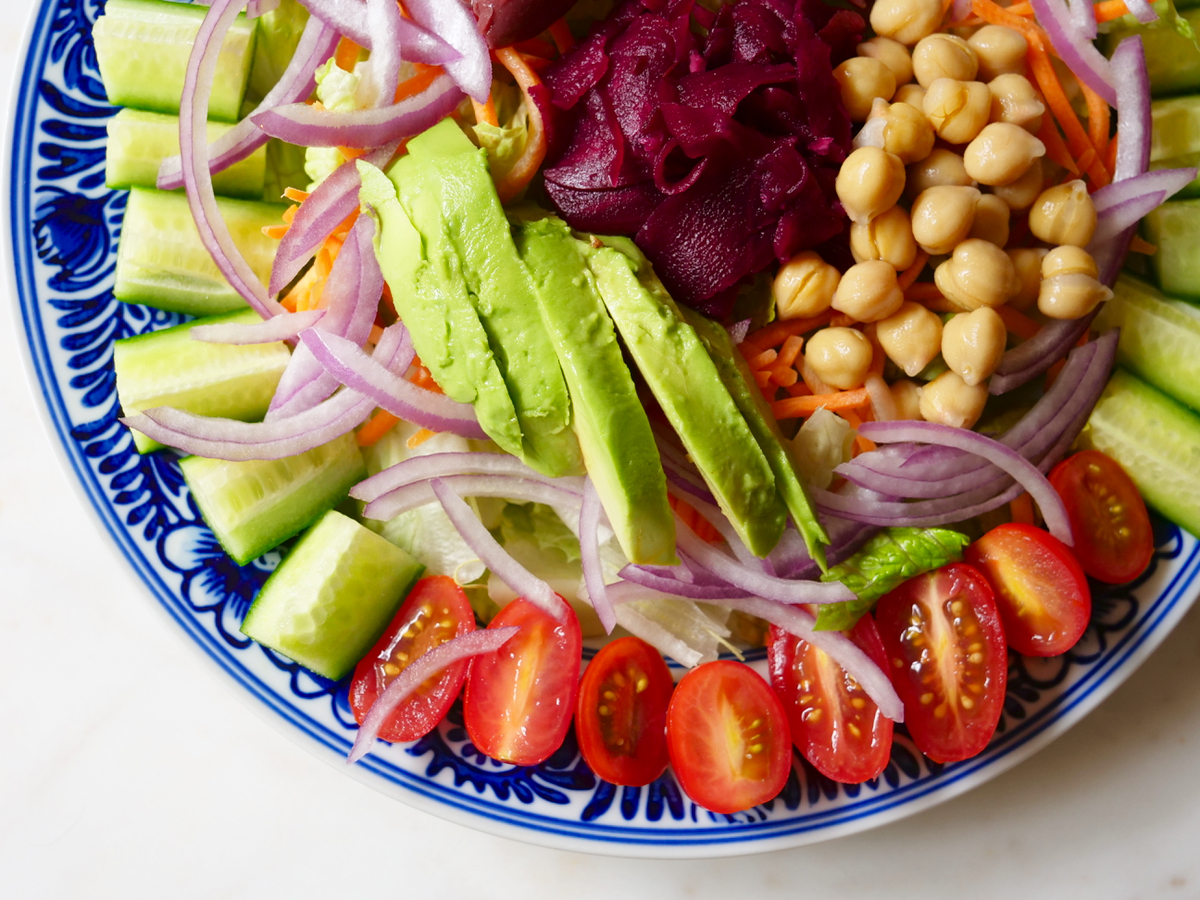
The program encourages swapping two daily meals for an Arbonne “meal” shake composed of:
- 2 scoops of Arbonne Essentials protein shake
- 1–2 cups (236–473 mL) of water or nondairy, non-soy milk
- 1/3 cup (about 10 g) leafy greens or 1 scoop (7 g) Arbonne BeWell Superfood Greens powder
- 1/4 cup (about 40 g) fruit
- 1 tablespoon (16 g) peanut butter or half an avocado
Alongside these suggestions, Arbonne promotes four “core” supplements plus two optional picks. These products are costly and carry a number of questionable health assertions.
The four “core” supplements are:
- FeelFit Pea Protein Shake: a vegan protein providing 20 g of protein per 2 scoops (40 g)
- GutHealth Digestion and Microbiome Support: a formula with probiotics, prebiotics, and digestive enzymes
- CleanTox Herbal Detox Tea: an herbal tea Arbonne claims supports liver and kidney function; recommended twice daily
- Energy Fizz Sticks: a powder with B vitamins, ginseng, guarana, and green tea, touted to support energy
You’re also asked to pick two additional supplements from:
- CleanTox Gentle Cleanse: an aloe-based supplement the company claims removes “toxins”
- BeWell Superfood Greens: a mix containing 36 fruits and vegetables plus prebiotics
- GutHealth Prebiotic Fiber: a product with 12 g of soluble fiber and inulin
- InnerCalm Adaptogenic Stress Powder: a blend including ashwagandha and saffron intended to promote calm
Useful supplement shopping guides
- How to Choose High Quality Vitamins and Supplements
- How to Read Supplement Labels Like a Pro
Step 3: Get moving
Arbonne recommends daily activity to support healthy weight, cardiovascular fitness, strength, and confidence.
Though it doesn’t supply a detailed exercise plan, it suggests being more active than the previous day, joining a gym, or trying a new pastime such as tennis or dance.
Step 4: Be mindful and manage stress
The program emphasizes stress reduction via practices like meditation, outdoor walks, or connecting with loved ones. Arbonne asserts that lowering stress can reduce the urge to overeat high-calorie, high-fat foods.
Step 5: Get enough sleep
Arbonne advises more rest and recommends about 8 hours of sleep per night to reduce weight gain risk, bolster immunity, and lower chronic disease risk.
Suggestions include using essential oils, stowing electronics before bedtime, and establishing a sleep routine.
Step 6: Track your goals
The company encourages monitoring goals and progress to detect bodily changes, identify areas for improvement, and note foods that trigger symptoms.
Optional step 7: Prepare for life after the 30 days
Once the 30 days end, Arbonne recommends continuing all Arbonne products — protein shake, fizz sticks, digestive supplements, and more.
They also advise working closely with your independent consultant to determine which foods to reintroduce or avoid.
Notably, Arbonne suggests repeating the 30-day program periodically, which raises doubts about whether it truly resolves underlying issues or is intended to foster dependence on the brand’s products.
Who is the Arbonne diet for?
Although Arbonne doesn’t clearly define the target audience, its main page suggests the plan suits people aiming to boost energy, enhance health, and possibly lose or manage weight.
The company frames the diet as a way to “reset” and identify foods that “may not be serving your body well.”
While that might appeal to those with digestive complaints, this is not a rigorously designed elimination diet. If you want to pinpoint trigger foods, it’s wiser to consult a qualified healthcare practitioner who can evaluate your medical history.
The Arbonne plan’s exclusions are extensive, which could lead to inadequate nutrition for some and may be problematic for individuals with a history of disordered eating.
Arbonne includes the standard legal disclaimer urging anyone with chronic illnesses (e.g., diabetes, heart disease), those taking medications, or anyone pregnant or breastfeeding to consult a healthcare provider before starting.
Given that the program relies on guidance from uncredentialed consultants, you should not follow it without medical clearance.
It’s unlikely a healthcare professional would endorse this diet unchanged; they would likely recommend more practical, sustainable alternatives.
Does it work for weight loss?
Arbonne states the 30 Days to Healthy Living plan is not a weight loss program, yet weight loss is a common side effect.
The plan emphasizes vegetables, lean proteins, complex carbohydrates, and healthy fats and encourages physical activity, mindfulness, and adequate sleep — all factors associated with improved health and weight control (1, 2, 3, 4).
Although the program recommends eliminating broad food groups like dairy, wheat, gluten, and soy, evidence does not generally support removing these foods for weight loss. In fact, dairy, soy, and whole grains can aid weight management in some studies (1, 5, 6, 7).
Moreover, while the program advocates several supplements, there’s no proof these products cause weight loss or boost metabolism. That said, products high in fiber and protein may help control hunger.
Replacing meals with an Arbonne shake will likely reduce calorie intake. The recommended shake, made with frozen blackberries, spinach, almond milk, peanut butter, and vanilla protein powder, supplies roughly 323 calories (8, 9, 10, 11, 12).
Using these shakes to replace meals generally produces a calorie deficit for most adults, especially when combined with increased activity, which typically results in weight loss.
Benefits
There are several possible upsides to Arbonne’s 30 Days to Healthy Living plan.
Focus on lifestyle changes
Unlike many restrictive diets, Arbonne encourages several lifestyle shifts to enhance health.
Alongside recommending whole, minimally processed foods, the program promotes regular exercise, sufficient sleep, stress management, and mindfulness.
Adopting multiple healthy habits is linked to improved health and weight outcomes (1, 3, 4, 13).
Mindful eating
The program emphasizes food quality and mindful eating over calorie counting.
Many of the recommended foods and supplements are rich in protein and fiber, which can help control appetite because they are digested more slowly (14, 15, 16).
The plan also encourages paying attention to hunger signals and eating permitted foods when hungry.
However, critics argue the extensive forbidden-food list undermines mindful eating by increasing anxiety around food choices, which opposes the principle of responding to bodily cues (17, 18).
Whole, unprocessed foods
The plan stresses consuming whole, minimally processed foods and discourages ultra-processed items, a recommendation broadly supported by health experts (19, 20).
Research links reduced intake of highly processed, calorie-dense foods to lower risks of heart disease, type 2 diabetes, inflammation, and premature mortality (21, 22, 23, 24).
So, any diet that encourages whole, minimally processed foods is likely to be beneficial — though the heavy use of processed supplements in Arbonne’s plan is at odds with that philosophy.
Downsides
Although the program claims to promote lasting healthy habits, Arbonne has been criticized for excessive restrictions and claims that lack scientific backing.
Unnecessary restrictions
Arbonne advises removing alcohol, coffee, dairy, wheat, gluten, soy, and artificial sweeteners from the diet, labeling them as detrimental to wellbeing.
While heavy alcohol use is harmful and certain individuals need to avoid specific foods for medical reasons, there’s little evidence that universally eliminating these items improves health for everyone (25, 26, 27).
The program’s version of an elimination diet is poorly executed, relying on unqualified consultants to identify sensitivities. Cutting out many food groups simultaneously makes it hard to determine which, if any, are problematic.
Often, simply moving to a healthier eating pattern can improve energy and wellbeing, which might be mistaken for a resolution of an underlying food sensitivity.
Proper elimination protocols remove one food at a time, tailored to your condition, and require weeks to months under medical supervision (25, 26, 27).
Expensive and inaccessible
As an MLM, Arbonne requires customers to pay a membership fee for discounted pricing; without it, prices are higher. Even with discounts, the products are costly.
The company markets a package priced at $304.80 with the preferred client discount or $508 without a discount. The bundle includes:
- two containers of FeelFit protein powders
- two boxes of CleanTox teas
- one GutHealth Digestion and Microbiome Support
- two boxes of EnergyFizz sticks
- two of the four optional supplements (CleanTox Gentle Cleanse, GutHealth Prebiotic Fiber, BeWell Superfood Greens, or InnerCalm Adaptogenic Stress Powder)

Because many items last about 30 days or less and the company recommends ongoing use, the program is financially out of reach for many.
Since none of the products are essential for health, spending money on whole, nutrient-rich foods and lifestyle changes is typically a better investment.
Faulty science claims
While the program’s general emphasis on healthy habits is reasonable, Arbonne makes bold product claims without strong scientific support.
For instance, CleanTox Gentle Cleanse advertises detoxification via ingredients like aloe, ginger, and choline. There’s no convincing evidence these substances “detox” beyond the body’s normal processes when following a healthier diet (28, 29, 30, 31).
The GutHealth supplement contains components that can support gut health (prebiotics and probiotics), but claiming digestive enzymes are necessary for most healthy people is misleading; the body typically produces adequate enzymes.
Another product, Metabolism Support (sold outside the 30-day package), claims to boost metabolic rate and references a clinical study for green coffee bean extract, yet the company does not specify the study. Making claims about increasing metabolism without research on the specific product is deceptive. Most perceived benefits likely result from general lifestyle improvements.
Ethical concerns
MLMs like Arbonne face criticism over how consultants are compensated, their lack of credentials, and pressure to sell and recruit.
Independent consultants don’t need formal nutrition or health education — the only requirements are being at least 18 and paying a $59 registration fee.
Since earnings depend on sales and recruitment, consultants are incentivized to promote products vigorously.
Per Arbonne’s 2021 income disclosure, 56% of consultants earned an average annual income of $206, and 97% made under $13,785 — figures that don’t account for product costs, event hosting, or membership fees (32).
Although higher earnings are possible, experts argue that MLM structures typically saturate markets and make it very difficult for participants to earn a livable wage — a practice some consider unethical (33).
For these reasons, you may prefer buying supplements from non-MLM brands that pay employees standard wages.
Sample 1-day meal plan
Arbonne doesn’t publish a specific meal plan but offers general outlines based on 3–4 meals/snacks spaced every 4 hours. An example day might look like this:
- Meal/snack #1 (7:00 a.m.): meal replacement shake
- Meal/snack #2 (11:00 a.m.): kale salad bowl with tahini
- Meal/snack #3 (3:00 p.m.): basic shake or meal replacement shake
- Meal/snack #4 (7:00 p.m.): turkey burger with sautéed mushrooms and spinach
The plan expects you to replace at least one meal daily — ideally two — with an Arbonne protein shake made with a small amount of nondairy, non-soy milk, fruit, vegetables, and healthy fat. All supplements should be used according to package directions.
Customer reviews and brand reputation
At the time of this review, Arbonne International, Inc. had an average Trustpilot rating of 3.9 out of 5 from 179 reviews. There’s a notable polarization, with 1-star and 5-star reviews being most frequent.
The Better Business Bureau lists Arbonne with a 2.27/5 rating based on 56 customer reviews.
Positive feedback often mentions the pleasant taste of FeelFit protein powder and subjective benefits such as increased energy, improved skin, and feeling healthier. Some positive reviews appear to be posted by consultants.
Negative reviews focus on the MLM model, suggesting profits stem from exploiting consultants rather than product quality. Complaints also cite aggressive sales tactics by consultants and instances of unprofessional or inaccurate health advice shared online.
Other concerns include billing issues, poor customer service responsiveness, and high prices with minimal perceived benefit.
Arbonne has faced legal issues. A 2017 class-action lawsuit accused the company’s MLM structure of being unethical and not providing reasonable financial opportunity to consultants; it was dismissed in March 2018 (34).
In 2020, the FTC sent Arbonne a warning about consultants promoting misleading COVID-19 claims and income promises, urging better oversight (35).
In 2008, Arbonne paid $30,000 to settle a discrimination suit after refusing to hire someone because of deafness (36).
How to get started
To begin Arbonne’s 30 Days to Healthy Living, create a free account on the company website. You can opt to become a Preferred Client for a 20% discount, which costs $29 per year.
Arbonne used to offer a starter kit, but it no longer appears on the site and availability isn’t specified. You can instead purchase individual items from the 30 Days to Healthy Living category.
During checkout, you’ll see prompts to add a Preferred Client membership or enroll as a consultant, though you can decline and continue without a discount.
When registering, you can choose to receive contact from an Independent Consultant.
The company recommends using autoship, which schedules recurring payments and shipments every 30, 60, 90, or 180 days; you can cancel anytime.
Frequently asked questions
How much weight can you lose with Arbonne in 30 days?
Arbonne does not guarantee a specific weight loss amount for customers or participants.
If you replace two meals daily with low-calorie shakes and consume only one other meal, you’re likely to create a calorie deficit and lose weight.
Some shakes contain as few as 160 calories per serving; consuming two of these plus one meal would likely be too low in calories for most adults.
Is Arbonne a scheme?
Arbonne functions as an MLM in multiple countries. While MLMs are not inherently illegal, many are considered predatory. Arbonne has been criticized for using optimistic income claims and aggressive marketing tactics.
According to the company’s own income disclosure, a large majority of consultants do not earn a livable income; many make less than $200 per year, raising concerns about the company’s business practices (32).
What can you not eat on Arbonne 30-day cleanse?
During Arbonne’s 30 Days to Healthy Living, you should avoid alcohol, coffee, dairy, wheat, gluten, soy (except organic non-GMO tempeh), and artificial sweeteners.
The bottom line
Arbonne’s 30 Days to Healthy Living plan has gained traction as a lifestyle reset marketed to improve health. However, it is criticized for dubious claims and problematic practices.
The regimen enforces numerous food exclusions and promotes supplements that are expensive, unnecessary for most people, and not firmly supported by science.
The company relies on uncredentialed consultants to guide participants and compensates them poorly, raising ethical red flags.
One positive aspect is the encouragement of nutrient-rich foods, daily activity, and other healthy habits — changes that can support weight loss, especially for those new to healthier living.
Nevertheless, most advantages stem from adopting general healthy behaviors rather than from the program itself or its required products. If your goal is to improve health, you’re better served by avoiding this commercial program and focusing on evidence-based, sustainable strategies.



















Leave a Reply
You must be logged in to post a comment.