

Infants can get mouth ulcers for a variety of reasons. Most heal on their own within 7 to 14 days, but you should seek medical advice if there are many sores, they spread, or your baby develops additional symptoms such as a fever.
Your little one’s gummy smile likely delights you — until you spot small white bumps inside their mouth that aren’t teeth. That can be worrying.
Mouth ulcers are small, often painful lesions that form on the lips, gums, tongue, or inner cheeks. They may arise from viruses, accidental injuries, or even nutrient shortfalls.
These sores are reported in approximately 9% of children and generally clear up within a few weeks with minimal problems.

What signs indicate my baby has mouth ulcers?
Common signs of mouth ulcers in infants include:
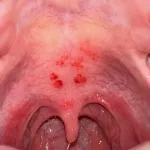
- sores on the lips, gums, tongue, inner cheeks, or roof of the mouth
- discomfort or pain, which can occur even when the baby is not feeding
Ulcers usually have a round or oval shape and often look white, gray, yellow, or red.
How are mouth ulcers in babies treated?
In many situations, a baby’s mouth ulcers will resolve without intervention within one to two weeks.
If a pediatrician identifies a specific cause, such as oral thrush, they may recommend targeted therapy. Otherwise, treatment typically aims to ease pain while the sores heal.
A doctor may advise using over-the-counter pain relievers like acetaminophen (Tylenol) or ibuprofen (Advil, Motrin) to manage discomfort. They might also suggest applying a protective dental paste or using liquid antacids such as Maalox or Milk of Magnesia to coat the lesions.
For more severe or painful cases, a prescription steroid may sometimes be prescribed to reduce inflammation and discomfort.
Are there home measures that can help?
There are several at-home approaches you can try to lessen your baby’s pain from mouth ulcers:
- Offer something cool for the baby to suck on, like a cloth dampened with cold water. Always supervise and avoid giving hard, frozen items.
- If your baby is eating solids, steer clear of spicy, salty, or acidic foods that can irritate sores.
- Discuss with your pediatrician the safety of using numbing oral gels, coconut oil, or aloe vera on the affected area.
- Continue breastfeeding if that is your usual practice.
- Encourage small, frequent sips of water to prevent dehydration and reduce pain from a dry mouth.
Remedies that help soothe teething discomfort might also ease pain from mouth ulcers.
What triggers mouth ulcers in infants?
Mouth ulcers in babies can stem from many sources, such as:
- canker sores
- hand-foot-and-mouth disease
- oral thrush
- herpes virus infections
- food allergies
- deficiencies in vitamins
- gastrointestinal conditions
- chronic inflammation and systemic illnesses
Cold sores (fever blisters) can also produce ulcers around the outside of the mouth.
Who is at greater risk of developing mouth ulcers?
Babies may be more prone to mouth ulcers if they have:
- food sensitivities or allergies
- poor nutrition or vitamin shortages
- an autoimmune disorder
- inflammatory bowel disease
- periodic fever syndromes
- dry mouth
- recent physical or emotional stress
How are mouth ulcers diagnosed?
A pediatrician will usually identify mouth ulcers by looking in your child’s mouth during a physical exam. To find out whether an underlying illness is responsible, the doctor may order blood tests or take a swab from an ulcer.
Common questions
Should my child stay home from daycare or school if they have mouth ulcers?
Canker sores are not contagious, so they generally don’t require staying home. However, if your child has a fever or widespread mouth ulcers, have them evaluated by a doctor before returning to school or daycare.
When should I contact a doctor about my baby’s mouth ulcers?
If mouth ulcers don’t begin to improve within one to two weeks, worsen, or are accompanied by other signs like fever or vomiting, contact your child’s pediatrician.
How can I reduce the chance of ulcers coming back?
Good oral hygiene, such as brushing your child’s teeth or gums twice daily, helps. A balanced diet rich in essential vitamins and minerals can also lower risk.
When ulcers are caused by an infection or other health issue, managing that underlying problem can reduce recurrences. For information about targeted therapies, you may find guidance on treatments like ulcerative colitis enema helpful if gastrointestinal causes are suspected.
Bottom line
Mouth ulcers are fairly common in infants and can result from a range of causes.
If your baby’s sores persist longer than two weeks or are accompanied by other worrying symptoms such as fever, consult their pediatrician or a healthcare provider. They can help diagnose underlying causes and recommend appropriate treatment.






















Leave a Reply
You must be logged in to post a comment.