What Is Infusion Therapy and When Is It Needed?

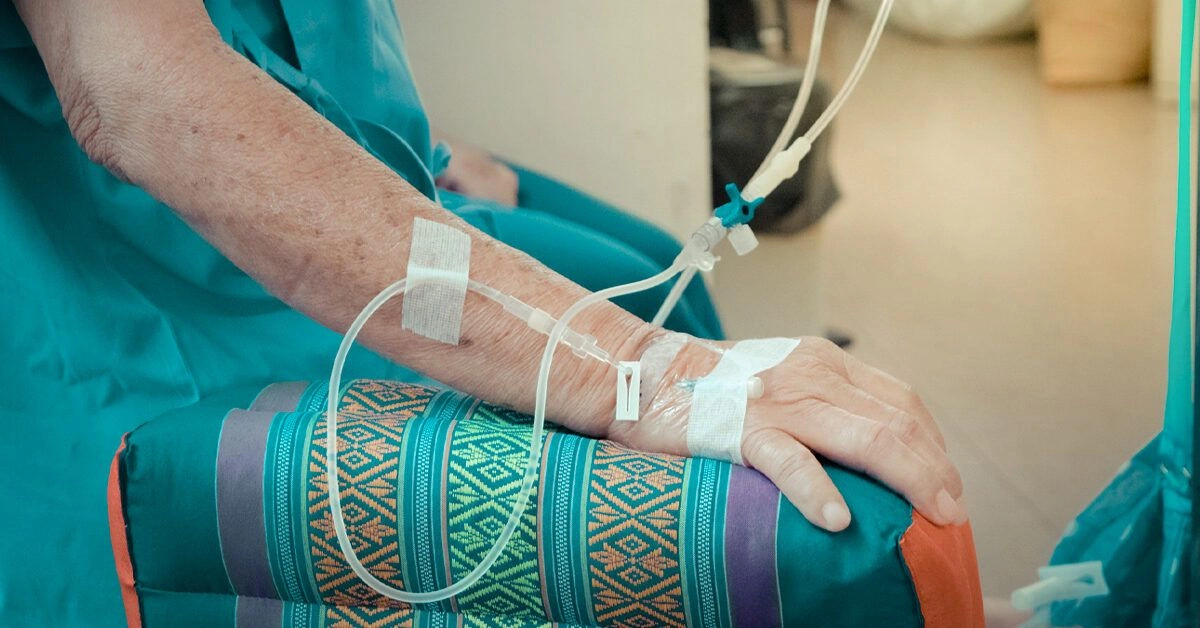
Infusion therapy administers medication or fluids through a needle or catheter and is more effective for certain medications. You may also need an infusion when oral medicines aren’t an option.
Infusion therapy means delivering drugs or fluids via a needle or catheter. It’s used when medications can’t be taken by mouth or must be released into the body at a regulated pace.
In this article, we’ll explore what infusion therapy entails, its mechanisms, and the kinds of conditions it can address.

What exactly is infusion therapy?
Infusion therapy involves receiving medication through a needle or catheter, most commonly intravenously (IV). Other infusion routes include:
- epidural
- intramuscular
- subcutaneous
Some medications are ineffective if swallowed because they’re broken down by the digestive system. Infusion therapy offers an alternative when there’s no equivalent oral option or when you cannot take pills.
If you’ve been hospitalized, you’ve likely had an IV to maintain hydration and to allow rapid medication delivery when needed. That’s a form of infusion therapy. An insulin pump that releases insulin beneath the skin is another example.
Infusion therapy can also supply nutrition and a wide range of medications, including:
- antibiotics
- antiemetics
- antifungals
- antivirals
- biologics
- blood factors
- chemotherapy
- corticosteroids
- growth hormones
- immunoglobulin replacement
- immunotherapy
- inotropic heart medications
Infusion therapy is often chosen because it allows for precise dosing. Some chemotherapies, for instance, must be infused slowly into the bloodstream. Other drugs must reach circulation rapidly in critical situations such as:
- anaphylactic shock
- heart attack
- poisoning
- stroke
What types of conditions is it used for?
Chemotherapy is a prevalent use for many cancer types. While some chemo agents are oral, many require IV administration. In certain instances, chemotherapy is injected into the spinal area or targeted to a specific body region.
Infusion therapy enables chemotherapy drugs to enter your bloodstream directly. It also allows delivery of anti-nausea and other supportive medicines without additional injections.
Infusion therapy is not exclusive to cancer care. It’s also used to treat:
- autoimmune conditions
- congestive heart failure
- dehydration
- immune deficiencies
- infections unresponsive to oral antibiotics
- pain
It can provide potent medications for illnesses such as:
- Crohn’s disease
- ulcerative colitis
- lupus
- psoriasis
- psoriatic arthritis
- rheumatoid arthritis
Infusion therapy also treats many other conditions. Examples include:
- clotting factors for hemophilia
- immunoglobulin replacement for hypergammaglobulinemia
- a combination of medications for migraine
- corticosteroids and other agents for multiple sclerosis
- platelet-rich plasma for osteoarthritis
- bisphosphonates for osteoporosis
- insulin for type 1 diabetes
- treatments for hypercoagulation disorders that cause clots
- severe infections like cellulitis, pneumonia, and sepsis
What can you expect?
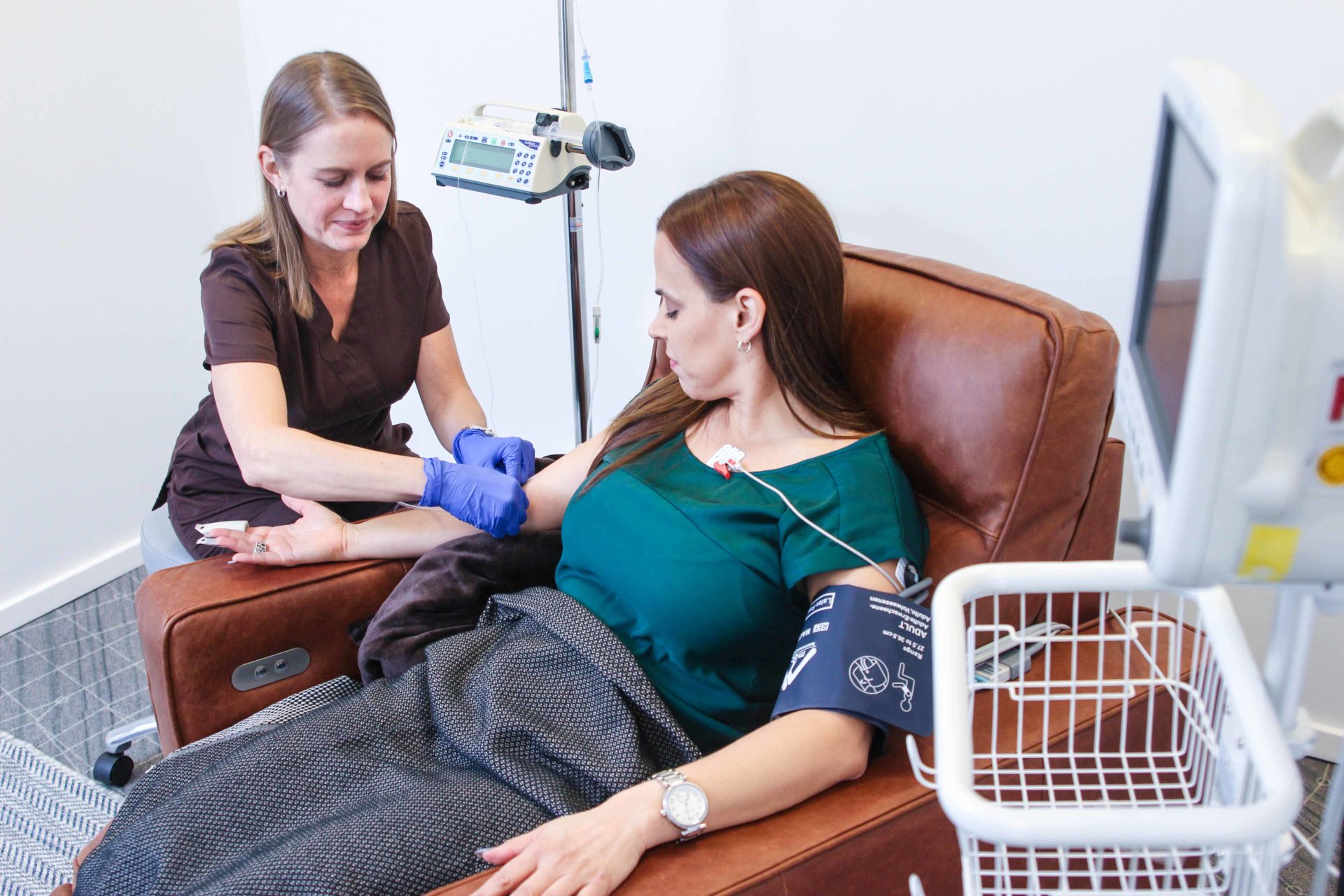
IV infusion therapy usually occurs in a clinical setting, such as a physician’s office, hospital, outpatient clinic, or infusion center. Some infusion treatments can be administered at home by healthcare professionals.
Each IV treatment involves needle sticks. If you require repeated infusions, your provider may suggest alternatives to a standard IV. Central lines can be placed in the chest, arm, neck, or groin and remain for extended periods.
Another option is a surgically implanted port under the skin. For subsequent treatments, the needle is inserted into the port to access the vein without repeated sticks. The port is removed once all treatments are finished.
Regardless of location, IV therapy is performed by nurses or trained medical staff. The procedure requires ongoing monitoring, so when infusions last longer than a few minutes, a control device is usually attached to ensure correct delivery. Frequent or remote observation accompanies infusion therapy.
Medications may be prepared ahead of time or mixed immediately before use, depending on the drug.

If an outpatient infusion is expected to last several hours, you’ll often be provided a reclining chair. Bring books, blankets, or other comforts to help you relax.
Before starting, your nurse will complete checks to confirm:
- your identity
- the correct medication and dose
- the right timing, since some drugs are scheduled for specific times or durations
- the proper route, such as vein, injection site, or port
A needle will be inserted into the port or an appropriate vein, typically in the arm. A tubing set will connect to an IV bag that contains the medication. The bag is hung so the solution can drip into your bloodstream. Depending on the regimen, you may need more than one IV bag.
Each session’s length varies with the medication and your condition. It may last 30 minutes or several hours.
You’ll usually receive adequate fluids, so expect to use the restroom occasionally. You can move with the IV pole, but notify staff before doing so.
When the infusion is complete, the catheter will be removed.
Are there any risks involved with infusion therapy?
Inserting an IV needle often goes well, but it can be difficult, particularly if your veins are small.
Repeated infusions can lead to scar tissue formation over time, potentially harming veins. Risks of IV therapy can include:
- collapsed veins
- infection
- phlebitis
- air embolism
Occasionally a needle shifts, allowing medication to leak into nearby tissues; with certain drugs, this can cause harm.
Other risks depend on the specific medications you receive. Any new drug can provoke a strong reaction. If a reaction occurs, it often happens when you first receive that treatment.
Your doctor will review the possible risks and symptoms to watch for. Signs of an infusion reaction commonly include:
- cough
- facial flushing
- fever or chills
- headache
- itching
- muscle or joint pain and stiffness
- nausea
- rash or hives
- shortness of breath
- swelling of hands, legs, ankles, or feet
- swelling of the tongue, lips, or eyelids
Before beginning infusion therapy, inform your doctor about all prescription drugs, over-the-counter medicines, and herbal or dietary supplements you use, as interactions are possible.
The bottom line
Infusion therapy is the controlled delivery of medication or fluids, most commonly given intravenously or subcutaneously.
Because timing and rate can be regulated, it’s used to administer chemotherapy and other agents that must enter the body slowly. It’s also used to deliver medications rapidly into circulation during life-threatening events.
Infusion therapy treats many conditions and is usually performed by nurses or trained healthcare providers in clinical settings.
Talk with your healthcare team about the benefits and risks of infusion therapy and how to help ensure it’s as safe and effective as possible.
Frequently Asked Questions
Infusion therapy is the delivery of medication or fluids directly into the body through a needle or catheter, most commonly via an IV, when oral administration is not possible or when controlled dosing is needed.
It’s used when medications are ineffective by mouth, require precise dosing or slow delivery, or when rapid circulation access is necessary—for example in chemotherapy, severe infections, dehydration, or autoimmune treatments.
Infusions are given in hospitals, physician offices, outpatient infusion centers, or sometimes at home by trained healthcare professionals, depending on the treatment and patient needs.
Risks include infection, phlebitis, collapsed veins, air embolism, tissue leakage from a dislodged needle, and allergic or infusion-related reactions specific to the medication used.
Bring comfort items for longer sessions, inform your provider of all medications and supplements, expect identity and medication checks, and follow any pre-visit instructions from your care team.






Related Posts

Raisins vs. Sultanas vs. Currants: What’s the Difference?
Aug 18, 2026 • 3 min read
What Is Cupuaçu? Benefits and Uses
Aug 13, 2026 • 21 min read
All About the Chinese Body Clock
Sep 1, 2026 • 17 min read
Understanding the FAST Scale for Dementia
Aug 29, 2026 • 8 min read
What Is the Budwig Diet, and Does It Prevent Cancer?
Aug 6, 2026 • 3 min read