

Enemas involve introducing a medicated liquid into the rectum to help minimize inflammation associated with ulcerative colitis. Clinicians may also recommend natural substances to include in these enemas.
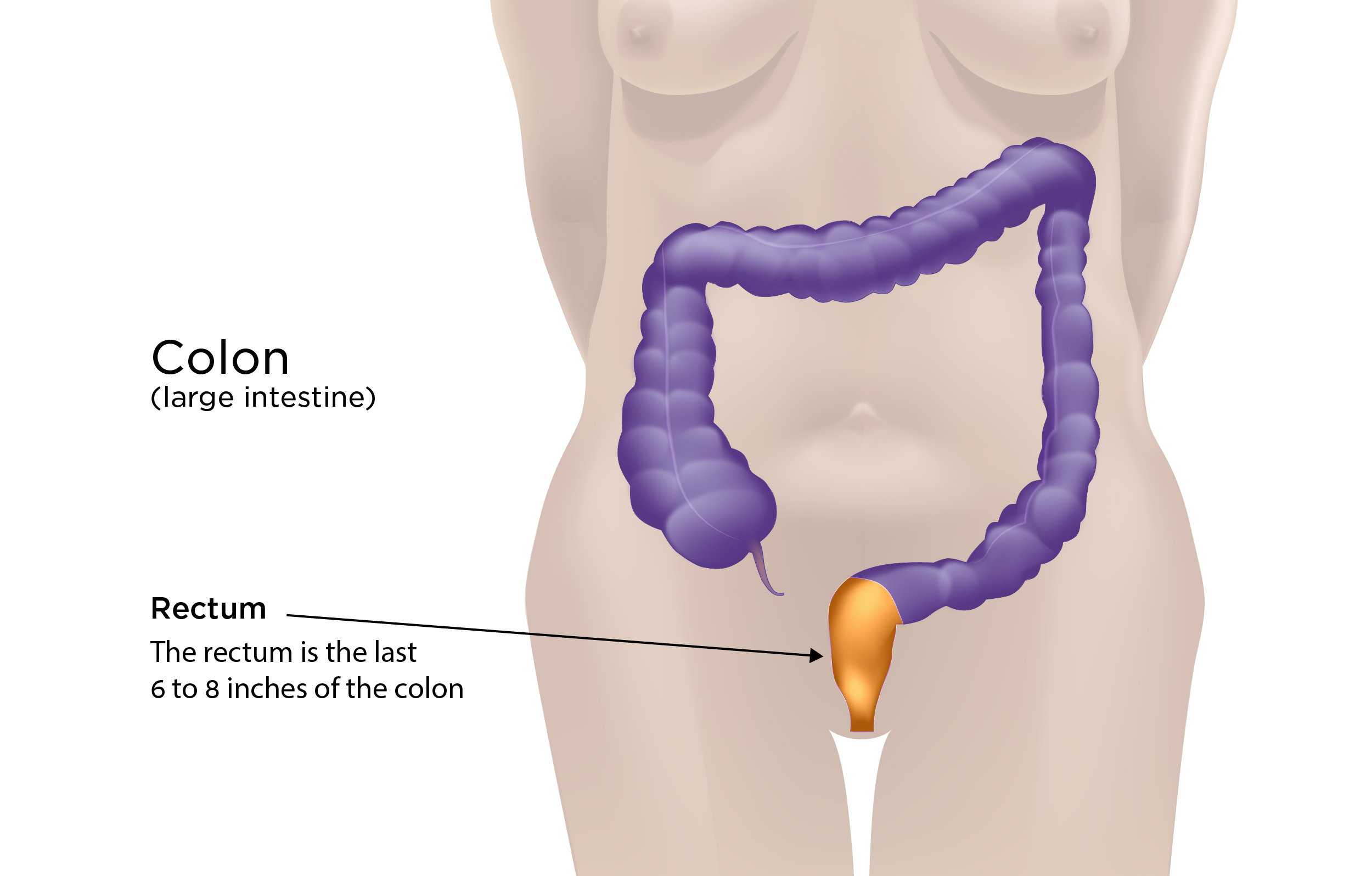
Ulcerative colitis (UC) is a type of inflammatory bowel disease (IBD) commonly causing symptoms such as abdominal cramps, diarrhea, and irregular bowel habits.
It impacts roughly 600,000 to 900,000 people in the United States.
An enema is a procedure that delivers fluid into the rectum to ease constipation and other UC-related complaints. The solution can contain various medicinal components.
Below, learn about the different enema varieties and how they can assist with UC, along with other drugs and natural ingredients that may offer benefits.
Do enemas help with ulcerative colitis?
Enemas can be a useful treatment option for UC because they target inflammation locally.
They can also be used to prepare the colon for imaging tests, enabling physicians to better visualize areas of inflammation on X-rays.
Types of enemas for ulcerative colitis
Enema preparations that may be helpful for UC include:
- Mesalamine enema: This anti-inflammatory agent can decrease swelling and support recovery.
- Budesonide rectal foam enema: A corticosteroid formulation that can lessen intestinal inflammation.
- Barium enema: Employed as a diagnostic contrast study to reveal bowel inflammation on radiographs.
If enemas aren’t suitable, mesalamine and budesonide are also available in other delivery methods.
Is prednisolone effective for ulcerative colitis?
Prednisolone is a glucocorticoid steroid.
These medications can help reduce colonic inflammation when agents like mesalamine don’t provide enough control. They may be given by mouth or as an enema.
Keep in mind that corticosteroids are intended for short-term use only. Prolonged therapy raises the likelihood of side effects such as infections, bone loss, and cataracts.
There is currently no cure for UC except surgical removal of the colon. How well prednisolone works depends on disease severity and other individual health factors.
Your physician can advise whether prednisolone should be part of your UC management.
Are there natural enema types for ulcerative colitis?
For those inclined to try more natural approaches, some enema options that have been discussed include:
- Coconut oil:Studies suggest coconut oil may ease colitis symptoms, but consult a clinician before using coconut oil rectally to ensure safety.
- Apple cider vinegar: Its purported restorative qualities might help alleviate UC symptoms, though stronger evidence is needed.
- Cannabidiol (CBD): CBD oil shows potential anti-inflammatory effects, yet further research is necessary.
- Fish oil:Older reports indicate that omega-3 fatty acids in fish oil may improve UC-related symptoms.
A physician might also prescribe a hydrocortisone enema to stimulate natural skin-derived factors that reduce itching, discoloration, and inflammation. This drug can be given as a rectal suppository as well.
Some people also explore a coffee enema as an alternative remedy; discuss this with your clinician before trying it.
Read more about complementary options for UC.
Can an enema cause ulcerative colitis?
There is no evidence that enemas cause UC.
Although adverse events from enemas are uncommon, they can occur. A 2020 study reported rare complications such as bowel perforation and ischemic colitis (IC).
Note that ischemic colitis differs from UC; the precise trigger for UC remains largely unknown.
How long should you retain a mesalamine enema?
Always consult your doctor or pharmacist for the correct dosing and timing instructions for medications. Follow any directions they provide for enemas.
It’s generally advised to use a mesalamine enema before bed so the medication remains in place longer.
Common guidance is to retain a mesalamine enema for at least 20 to 40 minutes to allow it to disperse through the lower intestines.
Afterwards, settle into a position that helps keep the medication inside while you rest.
Frequently asked questions
Is enema contraindicated in ulcerative colitis?
Physicians may prescribe enemas for UC treatment because they can reduce inflammation and aid in diagnostic preparation.
Do mesalamine enemas work?
Yes. Mesalamine enemas can reduce inflammation and UC symptoms and support mucosal healing.
How long should you hold a mesalamine enema?
The Crohn’s & Colitis Foundation advises retaining a mesalamine enema for at least 20 to 40 minutes to enable the medicine to spread along the intestines.
Is it safe to take a laxative with ulcerative colitis?
For constipation related to UC, a clinician may suggest osmotic laxatives, according to Crohn’s and Colitis UK.
Takeaway
Enemas can be useful for managing UC flares or for diagnostic purposes.
Always consult a clinician before attempting an enema. They can recommend which enema types are appropriate and advise on minimizing potential dangers.
If enemas are unsuitable or undesirable, many of the medications used in enemas are also accessible in alternate forms, such as oral tablets, injections, or rectal suppositories.






















Leave a Reply
You must be logged in to post a comment.