
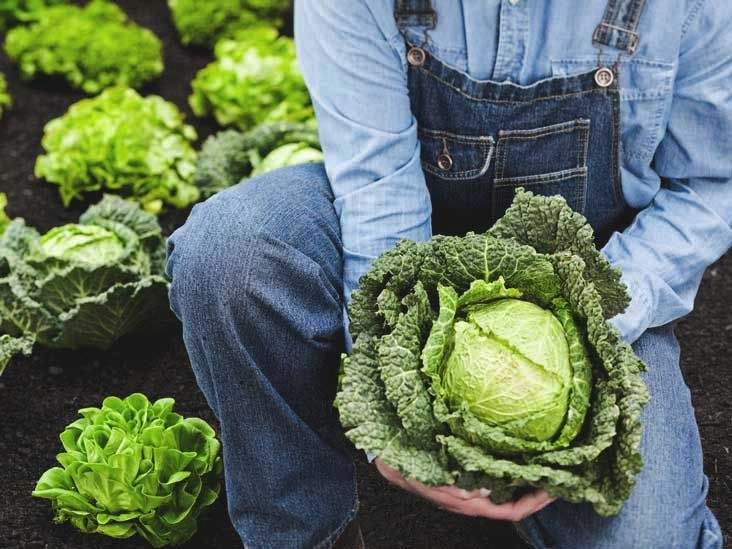
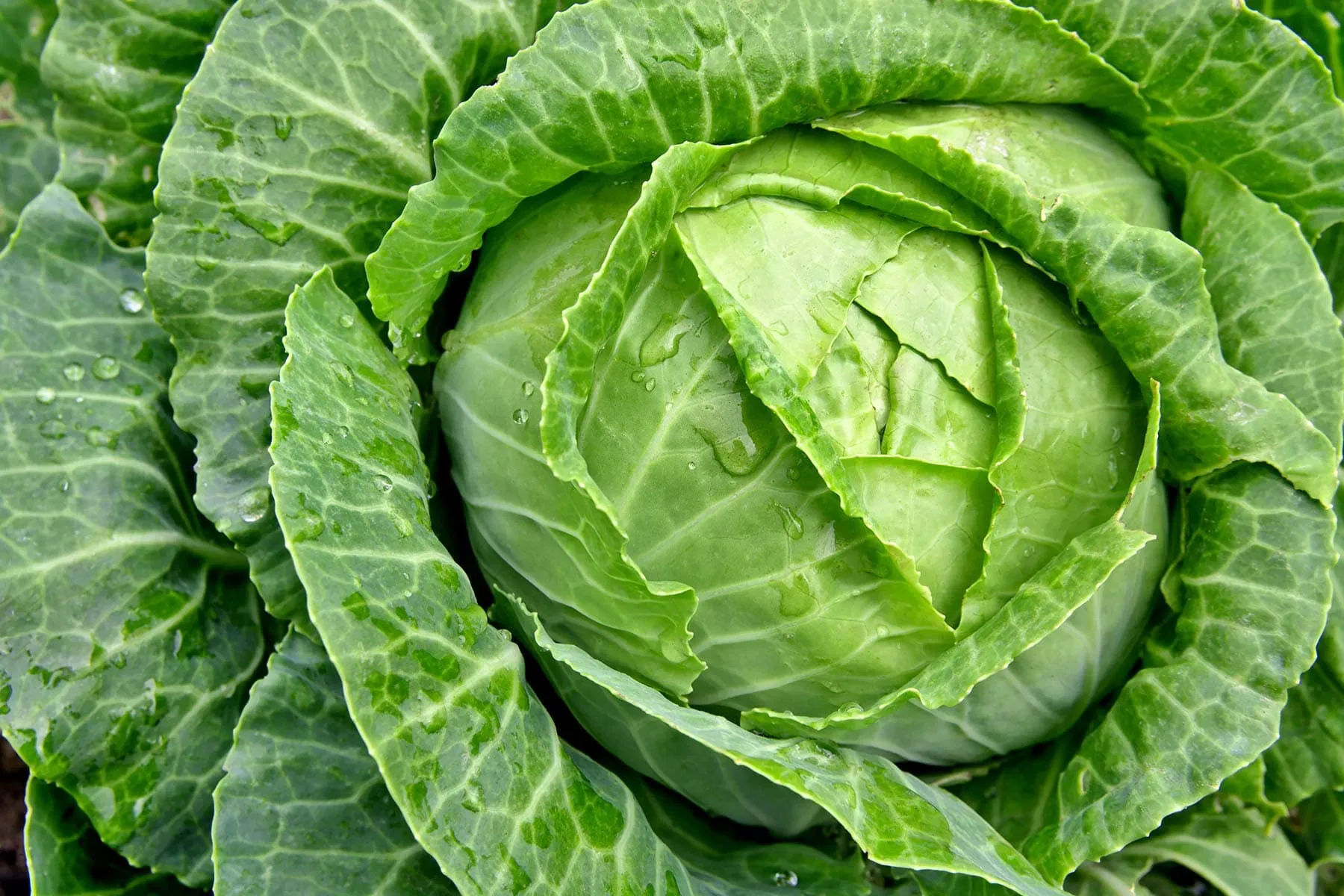
Cabbage is a highly nutritious vegetable, abundant in vitamin C, dietary fiber, and vitamin K. Research indicates it may offer several health advantages, including supporting digestion and cardiovascular health, among other benefits.
Despite its strong nutrient profile, cabbage frequently gets overlooked.
Although it may resemble lettuce, cabbage belongs to the Brassica family, which also includes broccoli, radishes, and Brussels sprouts (1).
It appears in many shapes and hues—red, purple, white, and green—and its leaves can be either smooth or crinkly.
This vegetable has been cultivated globally for millennia and features in many dishes like sauerkraut, kimchi, and coleslaw.
Moreover, cabbage is full of vitamins and minerals.
This article explores nine unexpected health benefits of cabbage, each supported by scientific evidence.

1. Cabbage is loaded with nutrients
Although very low in calories, cabbage boasts an impressive array of nutrients.
For example, just 1 cup (89 grams) of raw green cabbage provides (2):
- Calories: 22
- Protein: 1 g
- Fiber: 2 g
- Vitamin K: 56% of the Daily Value (DV)
- Vitamin C: 36% of the DV
- Folate: 10% of the DV
- Manganese: 6% of the DV
- Vitamin B6: 6% of the DV
- Calcium: 3% of the DV
- Potassium: 3% of the DV
- Magnesium: 3% of the DV
Cabbage also supplies modest quantities of other micronutrients such as vitamin A, iron, and riboflavin (2).
As shown above, it’s a notable source of vitamin B6 and folate, nutrients that support vital processes including energy metabolism and healthy nervous system function (3, 4).
Additionally, cabbage is high in fiber and rich in powerful antioxidants, including polyphenols and sulfur-containing compounds (5).
Antioxidants help shield the body from damage caused by free radicals—unstable molecules with unpaired electrons that can harm cells when their levels get too high (6).
Cabbage is particularly rich in vitamin C, a potent antioxidant that may provide protection against heart disease, some cancers, and loss of vision (7, 8, 9).
2. It may help control inflammation
Inflammation is not always harmful.
The inflammatory response is essential for defending against infection and aiding recovery. Acute inflammation is a normal reaction to injury or illness.
However, chronic inflammation—ongoing low-level inflammation—has been linked to numerous conditions, such as heart disease, rheumatoid arthritis, and inflammatory bowel disease (10).
Cruciferous vegetables like cabbage are rich in various antioxidants that have been shown to decrease chronic inflammation (11).
For instance, a 2014 study of adults aged 20–40 found that greater intake of cruciferous vegetables reduced certain inflammatory markers in the blood (12).
An earlier study of over 1,000 women observed substantially lower inflammation among those consuming the most cruciferous vegetables compared with those consuming the least (13).
Compounds like sulforaphane and kaempferol, along with other antioxidants present in these vegetables, likely drive their anti-inflammatory benefits (14, 15, 16).
3. Cabbage is an excellent source of vitamin C
Vitamin C (ascorbic acid) is a water-soluble vitamin with many vital roles in the body.
It’s necessary for collagen production—the most abundant protein in the body—which provides structure and elasticity to the skin and supports bones, muscles, and blood vessels (17).
Vitamin C also enhances absorption of non-heme iron, the form of iron in plant-based foods.
Furthermore, it functions as a powerful antioxidant and has been extensively studied for potential anticancer effects (18).
By protecting cells from free radical damage, vitamin C may reduce risk factors associated with chronic diseases, including cancer (19).
Observational studies suggest diets rich in vitamin C are linked to lower risk of certain cancers, although results from controlled trials are mixed (18, 20, 21).
While more investigation is needed to define vitamin C’s role in cancer prevention, it clearly supports numerous essential bodily functions.
Both green and red cabbage supply good amounts of vitamin C, but red cabbage contains notably higher levels (2, 22).
One cup (89 g) of chopped red cabbage provides about 56% of the recommended intake of vitamin C—comparable to a small orange (22, 23).
4. It supports healthy digestion
If you want to boost digestive health, fiber-rich cabbage is an excellent choice.
This crunchy vegetable is packed with insoluble fiber, a carbohydrate that resists digestion in the gut. Insoluble fiber adds bulk to stool and promotes regular bowel movements (24).
Cabbage also contains soluble fiber, which can help increase populations of beneficial gut bacteria because fiber serves as a food source for friendly microbes like Bifidobacteria and Lactobacilli (25).
These beneficial microbes contribute to immune health and produce important nutrients, including forms of vitamin K and B vitamins (26, 27, 28, 29).
Adding more cabbage to your meals is a tasty way to support a healthy gut.
5. May support heart health
Red cabbage contains anthocyanins—potent compounds that give it the striking purple color (30).
Anthocyanins are pigments in the flavonoid family (30).
Numerous studies have linked higher consumption of anthocyanin-rich foods with reduced risk of cardiovascular disease (31).
For example, a 2013 study of 93,600 women found those consuming more anthocyanin-heavy foods had a lower incidence of heart attacks (32).
A meta-analysis of 15 observational studies reported that greater flavonoid intake was linked to significantly lower risk of death from heart disease (33).
Raising dietary anthocyanin intake has also been shown to reduce blood pressure and LDL (“bad”) cholesterol (34, 35).
Because inflammation contributes to heart disease, anthocyanins’ anti-inflammatory actions likely play a role in their cardioprotective effects.
Cabbage contains over 36 different anthocyanins, making it a heart-healthy choice (36).
6. May help reduce blood pressure
High blood pressure affects over a billion people worldwide and is a leading risk factor for stroke and heart disease (37).
While reducing sodium intake is commonly advised, increasing dietary potassium is equally important for lowering blood pressure (38).
Potassium is a key mineral and electrolyte that helps regulate blood pressure by countering sodium’s effects (39).
It promotes the excretion of excess sodium in urine and relaxes blood vessel walls, contributing to lower blood pressure.
Modern diets often contain too much sodium and insufficient potassium (40).
Red cabbage is a good potassium source, providing about 9% of the DV in a 2-cup (178 g) serving (22).
Including potassium-rich cabbage in your diet is a flavorful way to help manage high blood pressure and maintain healthy levels (38).
7. Could reduce cholesterol
Cholesterol is a waxy substance present in every cell of the body.
Not all cholesterol is harmful—it’s vital for functions like digestion and the production of hormones and vitamin D (41).
However, elevated cholesterol—particularly high LDL—raises the risk of cardiovascular disease (42).
Cabbage contains two types of compounds that may lower LDL cholesterol.
Soluble fiber
Soluble fiber helps lower LDL cholesterol by binding cholesterol in the intestines and preventing its absorption into the bloodstream.
A 2023 systematic review and meta-analysis found soluble fiber supplementation significantly reduced LDL and total cholesterol (43).
Cabbage provides a good quantity of soluble fiber—about 40% of its fiber is of the soluble type (44).
Plant sterols
Cabbage also supplies phytosterols—plant compounds structurally similar to cholesterol that can lower LDL by blocking cholesterol absorption in the gut (45).
A 2020 American Heart Association review showed that 2–3 grams daily of plant stanol esters lowered LDL cholesterol by 9–12% (46).
8. Cabbage is a great source of vitamin K
Vitamin K refers to a group of fat-soluble vitamins that play several crucial roles.
They are mainly categorized into two forms (47):
- Vitamin K1 (phylloquinone): Predominantly found in plant foods.
- Vitamin K2 (menaquinone): Found in animal products and some fermented foods and produced by gut bacteria.
Cabbage is an excellent source of vitamin K1, providing about 56% of the DV in one cup (89 g) (2).
Vitamin K1 functions as a cofactor for enzymes involved in blood clotting.
Without adequate vitamin K, blood clotting would be impaired, increasing the risk of excessive bleeding.
9. It’s simple to include in your meals
Beyond its health advantages, cabbage is delicious and versatile.
It can be eaten raw or cooked and incorporated into salads, soups, stews, and slaws.
This adaptable vegetable is also commonly fermented into sauerkraut.
In addition to its culinary flexibility, cabbage is very budget-friendly.
No matter how you prepare it, adding this cruciferous vegetable to your diet is an easy way to reap its health perks. For recipes and ideas, you might explore uses of cabbage juice as well.
The bottom line
Cabbage is an extremely healthy choice.
It delivers a strong nutrient profile, particularly rich in vitamins C and K.
Eating cabbage may help lower the risk of certain illnesses, support digestion, and reduce inflammation.
Plus, cabbage is tasty, inexpensive, and fits well into many dishes.
Given its many potential benefits, cabbage merits more attention—and a place on your plate.




















Leave a Reply
You must be logged in to post a comment.