
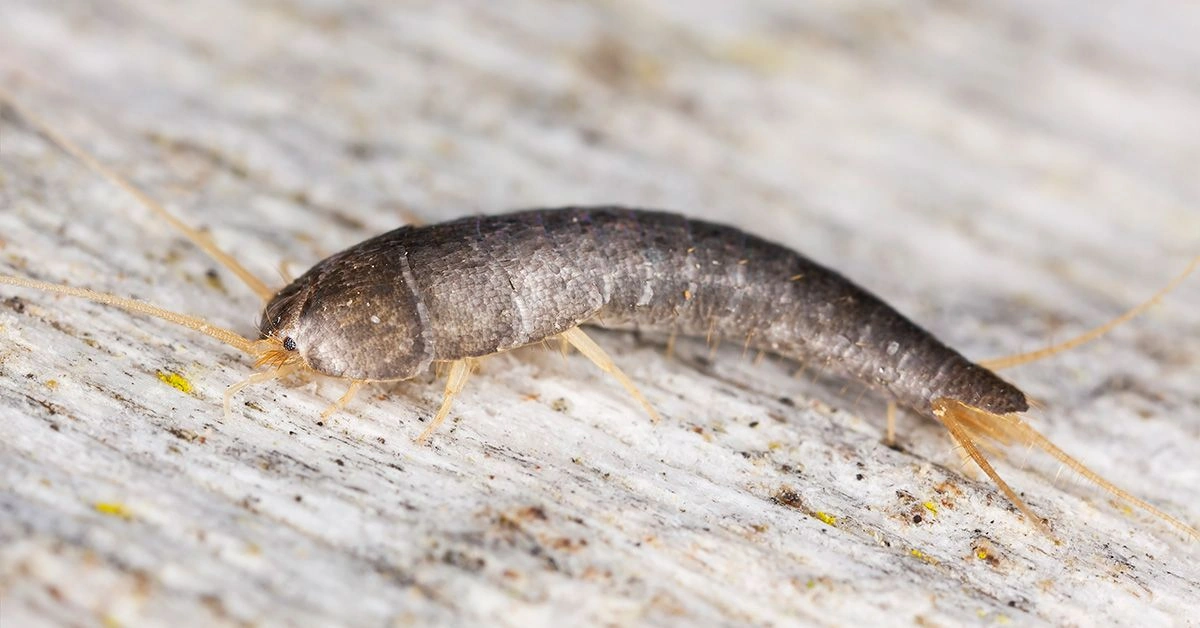
Although silverfish don’t normally harm or bite people, they can still be an annoying presence in your house. Below are some practical suggestions for handling these pests.
:max_bytes(150000):strip_icc()/GettyImages-2185525968-756e30bb454e45f7964d4607b8ccc4ed.jpg)
Silverfish are translucent, many-legged insects that can give you quite a start when discovered indoors. Fortunately they won’t bite you — but they can inflict notable damage to items like wallpaper, books, clothing, and food.
Here’s what to understand about these silvery, fishlike critters and how to remove them from your living space.
Are silverfish dangerous?
Silverfish are members of the species Lepisma saccharina. Entomologists think silverfish descend from insects that existed millions of years ago. They’re also called fish moths or bristletails because of the three long filaments at their rear.
Other important facts about silverfish include:
- They’re quite small, typically around 12 to 19 millimeters long.
- They have six legs.
- Their color ranges from white to silver to brown, or mixtures of these shades.
- They prefer humid environments and are mostly active at night.
Scientists do not believe silverfish bite humans; their jaws are very weak and aren’t strong enough to penetrate human skin. People sometimes confuse earwigs with silverfish — earwigs are capable of pinching your skin.
Silverfish do graze on their food sources. Because their mouthparts are feeble, their feeding looks more like scraping or dragging. That feeding behavior is what damages household items: they scrape surfaces such as wallpaper, textiles, books, and other paper goods, often leaving behind a yellowish residue (fecal matter).
Since silverfish are nocturnal and relatively secretive, you’ll often first notice their presence from yellow stains or damage to paper or fabric in your home.
Silverfish shed their exoskeletons as they grow — a process called molting. These discarded skins can gather dust and potentially trigger allergies in some people.
An earlier 2008 lab study suggested silverfish might contribute to breathing issues in individuals already allergic to common indoor allergens, but more research is needed to confirm those findings.
Silverfish are not known to transmit pathogens or serious diseases.
Do silverfish crawl in ears?
This arises from a disturbing myth that silverfish invade ears to consume brains or lay eggs in the ear canal.
Good news: that’s not true. Silverfish are extremely timid around people and generally avoid contact. They don’t feed on blood and are far more interested in paper and related materials than any part of your body.
Are silverfish harmful to pets?
Just like with humans, silverfish don’t bite pets and aren’t poisonous if consumed. However, if a dog or cat eats several of them, it could upset their stomach.
What attracts silverfish?
Silverfish feed on cellulose — the starchy component found in paper products and in dead skin cells like dandruff. They’re drawn to damp, dark locations where cellulose is plentiful.
Although they enjoy eating, silverfish can endure long stretches without food. They reproduce rapidly and can live for multiple years. That means a small number can quickly grow into an infestation capable of harming your possessions.
How to get rid of silverfish
If you’ve seen one or many silverfish, it’s time to take action. Start by sealing entry points and areas where air, moisture, and pests can penetrate your home.
Using dehumidifiers in places like basements can reduce the moisture levels that silverfish favor.
Insecticides
For substantial infestations, insecticides or a professional exterminator might be necessary. Keep in mind insecticides are less effective if the underlying environmental issues (such as moisture) aren’t addressed first.
The following active ingredients in insecticides may help control silverfish:
- synergized pyrethrin
- bifenthrin
- cyfluthrin
- tetramethrin
- phenothrin
Because silverfish can survive long periods without food, relying solely on bait traps may not produce the results you expect.
Natural methods
If you’d rather use natural tactics to tackle a silverfish problem, you have several options.
- Eliminate dark, damp spots. This includes spaces like under bathroom sinks, basement storage areas, and similar locations.
- Apply diatomaceous earth (DE). Available at most home improvement stores, DE is made of ground fossilized diatoms with sharp edges. When silverfish travel through it, it can be lethal to them. Sprinkle DE under sinks, in cabinets, and along baseboards where walls meet floors. Leave it for 24 hours, then vacuum it up.
- Use sticky traps. Place adhesive traps along baseboards and in corners. Put something sweet or papery on the trap to attract silverfish.
Preventing silverfish
Keeping your home sealed and well-maintained will help keep silverfish and many other pests out. Consider these steps:
- Seal cracks in foundations or basement walls with liquid cement available at hardware stores.
- Use gravel or a chemical barrier between exterior soil and basement walls. Gravel, unlike mulch, helps keep moisture away — and since silverfish prefer damp environments, this can deter them.
- Maintain a tidy home. Store food in airtight containers and avoid leaving stacks of paper on the floor.
- Hire an exterminator or pest-control professional to eliminate insects and rodents that gnaw through walls, door frames, or other entry points that allow silverfish in.
If you’re unsure where to start, a pest management professional can offer recommendations to prevent pests like silverfish from entering your home.
Takeaway
Silverfish are small, silvery-scaled insects that move in a fishlike manner. They prefer dark, humid spots and are often found in bathrooms or basements.
They won’t bite you or crawl into your ears, but they can ruin wallpaper, food, and various paper goods. And where silverfish can get in, other pests might, too.
Keeping your home well-sealed and clean will help deter silverfish and other unwanted visitors.


















Leave a Reply
You must be logged in to post a comment.