
Gout happens when uric acid accumulates in the blood, leading to inflammation and aching in the joints, most commonly the feet. Attacks of gout can begin abruptly and persist for several days.
Standard approaches to managing gout pain typically involve anti-inflammatory medications such as aspirin, ibuprofen, or naproxen. Cannabidiol (CBD), a non-intoxicating natural compound, is also being explored as a potential option to help ease gout-related discomfort.
If you have gout, read on to learn whether CBD might alleviate your symptoms, how it’s administered, and other relevant information.
Does research back CBD for gout-like conditions?
CBD is a substance derived from cannabis plants that has reported therapeutic effects. It may reduce pain and inflammation by interacting with the body’s endocannabinoid system.
Unlike medical marijuana that contains THC (delta-9-tetrahydrocannabinol), CBD does not produce a high. It also tends to have a lower side-effect profile, which could make it an attractive alternative to certain prescription or over-the-counter drugs.
Animal research indicates CBD might be useful for ailments and symptoms related to gout.
For example, a 2015 animal study reported that a topical CBD gel reduced arthritis-associated pain in rats. The treated animals showed less swelling in joints and better posture compared with untreated controls.
Likewise, a 2017 animal study found CBD lowered inflammation and pain in male rats with osteoarthritis and appeared to help prevent further nerve damage.
Although these findings are encouraging, additional research—especially randomized controlled trials involving humans—is needed to draw firmer conclusions.
Can CBD reduce gout pain?
A 2017 review notes the endocannabinoid system is involved in modulating pain and inflammation. This suggests cannabinoids like CBD might influence the endocannabinoid system to help with gout-related pain and swelling.
However, clinical trials specifically testing CBD for gout in humans are lacking. Some research has evaluated other cannabinoids, such as THC, for similar complaints like pain and inflammation.
There is one human study examining CBD for pain: a 2021 randomized controlled trial from Australia.
That trial assessed oral CBD in people presenting to emergency departments with acute lower back pain and found CBD provided no greater pain relief than a placebo. Still, the study involved only 100 participants—a modest sample—and acute lower back pain differs from gout.
Another large 2021 survey examined CBD use in people with fibromyalgia. Sixty percent of respondents reported trying or using CBD, and among those, 30 to 40 percent said it gave “much” or “very much” symptom relief, especially for pain.
While surveys can’t establish causation like randomized trials, they can generate useful hypotheses. More rigorous studies are necessary to clarify whether and how CBD might help with pain, particularly given concerns about opioid use.
How do I determine the right CBD dose?
If you haven’t used CBD before, start with a low dose initially. Once you see how your body reacts, you can gradually increase the amount if required.
Remember that age, body weight, and metabolism influence how quickly CBD is processed. Potency also varies between products and brands, and manufacturers typically list a suggested dose on the label.
It’s wise to consult your doctor or another healthcare provider before using CBD for gout. They can advise on safe use and check for potential drug interactions, since CBD can affect other medications.
What are the ways to take CBD for gout?
CBD can be used in multiple forms, including:
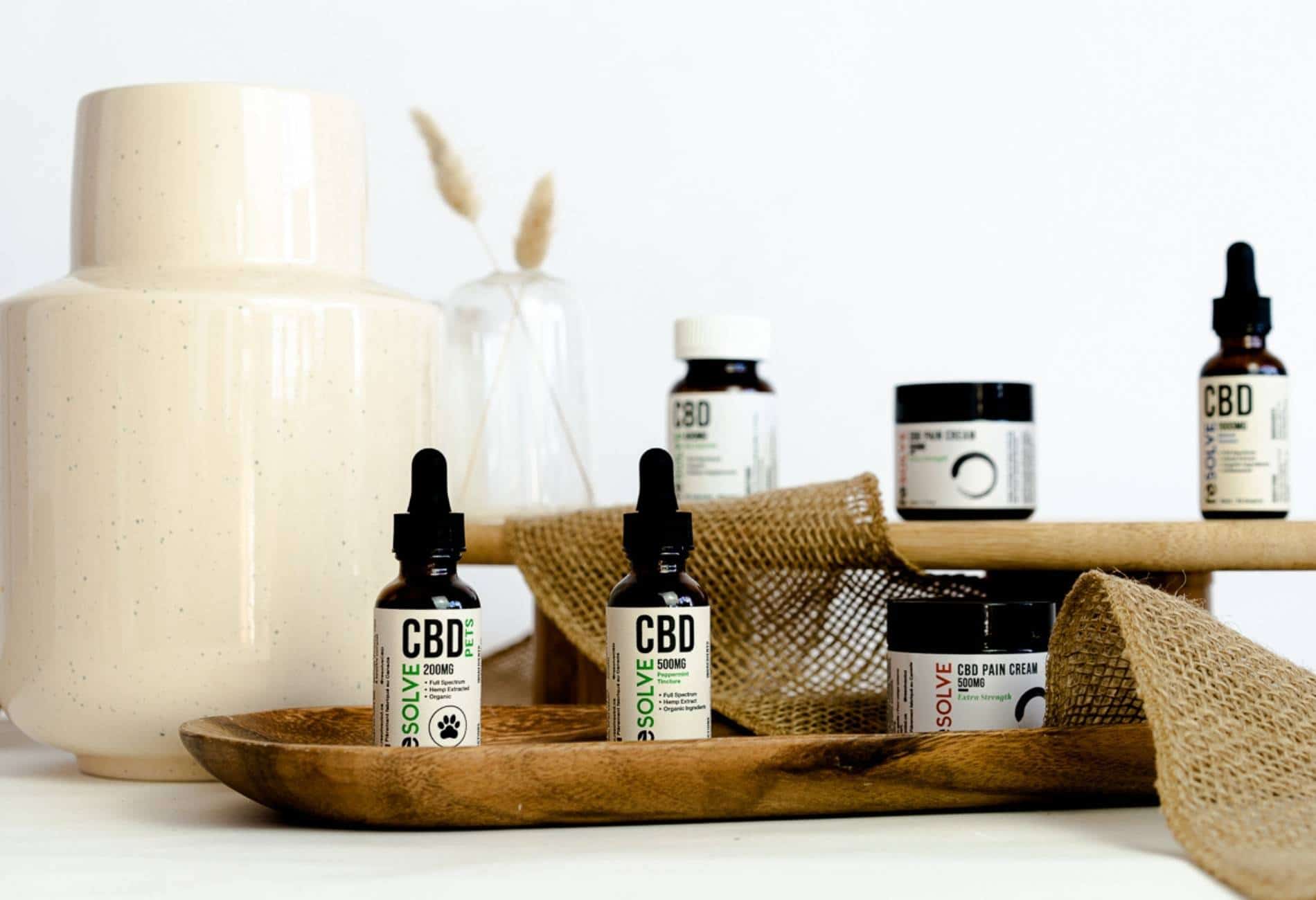
- Tinctures. Liquid extracts taken orally with a dropper that allow precise dose adjustments.
- Topicals. Creams, lotions, and massage oils applied directly to the skin—suitable for localized pain such as a gout flare.
- Pills. Capsules or tablets that can make dosing more consistent and convenient for some users.
- Edibles. Gummies are a common edible format; they avoid swallowing pills and often taste better than tinctures.
Other natural approaches for gout
If you’re seeking nonpharmaceutical ways to manage gout, the following natural options are frequently mentioned:
- apple cider vinegar
- apples
- bananas
- celery
- cherries
- dandelion
- hibiscus
- ginger
- lemongrass
- magnesium
- milk thistle
- nettle tea
- olive leaf oil
- yarrow oil
Discuss any supplements with a healthcare professional before starting them.
The takeaway
Gout is a form of arthritis marked by sudden, severe pain and swelling, most frequently affecting the feet and toes. During an attack, anti-inflammatory pain relievers like ibuprofen and aspirin are commonly used.
CBD may be a potential option for gout pain, but stronger evidence is needed to confirm its effectiveness. Although many people already use CBD for similar conditions, clinical data supporting its use for gout are limited.
Talk with your physician before trying CBD for gout to determine an appropriate dose and to avoid interactions with other medicines you may be taking.





















Leave a Reply
You must be logged in to post a comment.