
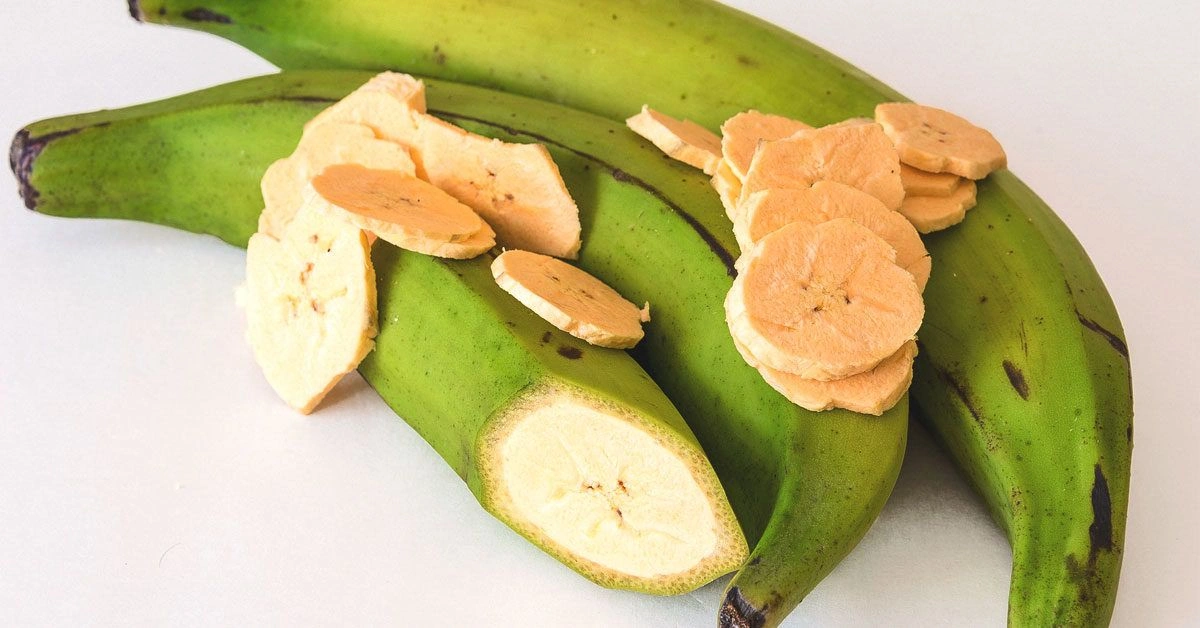
Plantains resemble bananas but are generally prepared cooked rather than eaten raw. They aren’t as sugary as dessert bananas, yet they may support heart health and are packed with antioxidants.
Think of plantains as the firmer, less sweet cousin of the banana. While sweet “dessert” bananas are common in the United States and Europe, plantains serve as an essential staple for people living in many tropical regions.
Unlike dessert bananas, plantains are almost always cooked before consumption. Raw plantains are not particularly palatable, so don’t be deceived by their banana-like appearance.
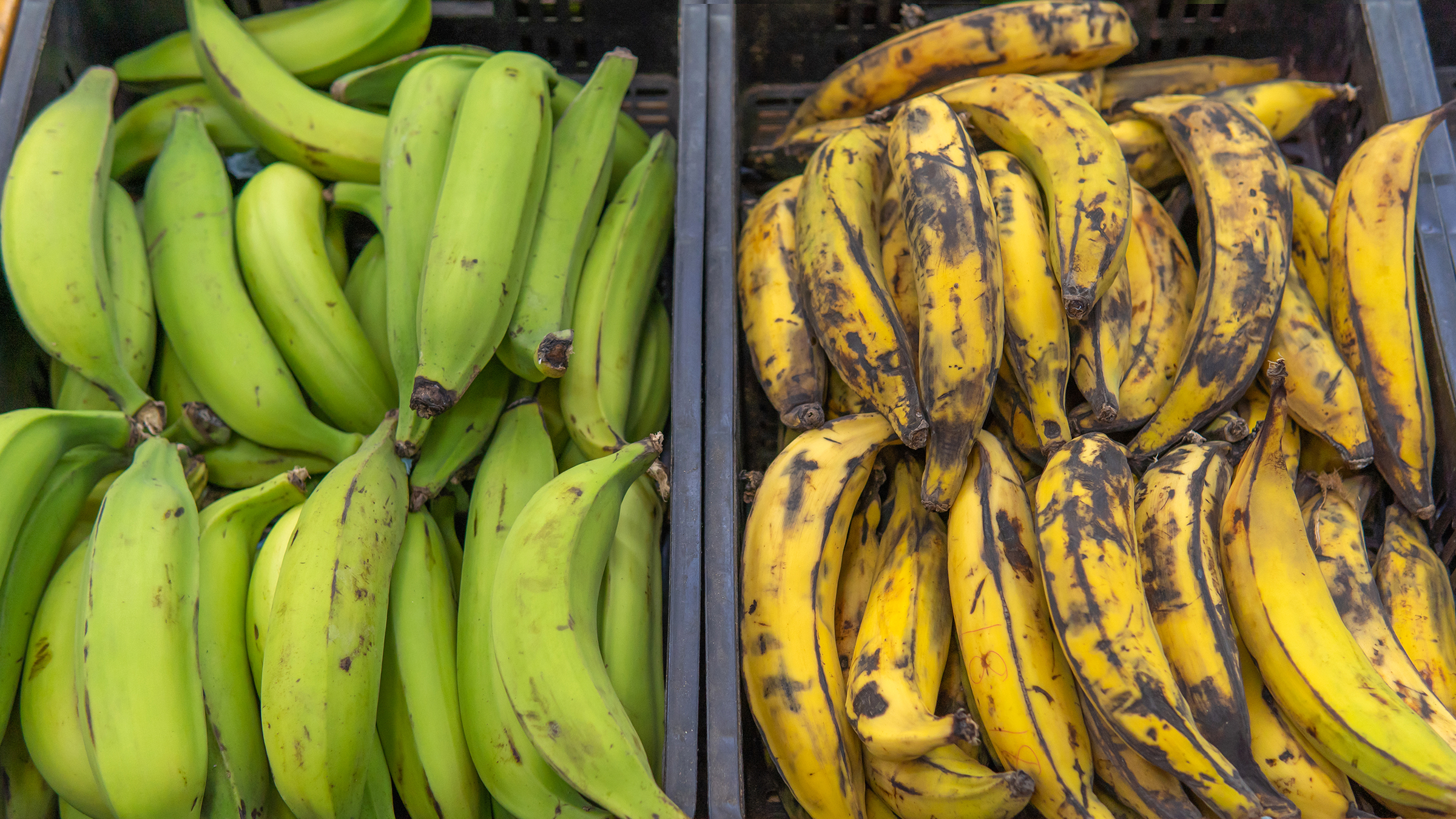
When cooked, plantains are similar to potatoes in calories, though they supply higher amounts of certain vitamins and minerals. They’re a good source of fiber, vitamins A, C, and B6, as well as magnesium and potassium.
This underrated nutritional powerhouse is worth adding to your shopping list. Continue reading to discover why.
1. Nutritious
Plantains provide complex carbohydrates, a range of vitamins and minerals, and are easy to digest. For centuries they’ve been a primary food source for millions.
Below are the basic nutrition details for one cup of baked yellow plantains (139 grams), based on U.S. Department of Agriculture (USDA) data. Values will change depending on how they’re prepared.
| Calories | 215 |
| Fat | 0.22 g |
| Protein | 2 g |
| Carbohydrates | 58 g |
| Fiber | 3 g |
| Potassium | 663 mg |
| Vitamin C | 23 mg |
| Vitamin A | 63 µg |
| Vitamin B-6 | 0.29 mg |
| Magnesium | 57 mg |
Plantains are low in protein and fat, so they should be one component of a varied, balanced diet — similar to many grain-based foods.
2. Digestive health
Fiber plays a key role in maintaining regular bowel movements. It softens stool and adds bulk, increasing both size and weight.
Larger, softer stools are easier to pass and reduce the chance of constipation.
A diet rich in fiber may also lower the risk of hemorrhoids and diverticular disease. Fiber can enhance feelings of fullness, slow digestion, and potentially help regulate cholesterol levels.
3. Weight management
Carbohydrates aren’t inherently harmful for managing weight, contrary to common belief. The starches and fiber in plantains are complex carbohydrates.
Complex carbs and fiber are less processed and digested more slowly than the simple sugars in many processed foods. They tend to keep you feeling full longer after meals, which can reduce unhealthy snacking.
4. High in antioxidants
A single cup of plantains supplies a substantial portion of the daily recommended intake of vitamin C. This nutrient functions as an antioxidant that may help strengthen the immune system.
As an antioxidant, vitamin C may shield the body from free radical damage linked to aging, cardiovascular disease, and certain cancers.
Research has shown an inverse association between vitamin C consumption and cancers of the lung, breast, colon, stomach, esophagus, and other sites.
Lower blood plasma vitamin C concentrations have also been observed in people with cancer.
5. Good for your heart
The substantial potassium content of plantains helps regulate cells and body fluids that influence heart rhythm and blood pressure.
Their fiber content also contributes to lowering cholesterol, which supports overall heart health.
6. Versatile (like a potato!)
In restaurants you’ll often find plantains fried and drenched in oil as a side dish, sometimes served with sour cream. While they’re delicious, fried plantains aren’t the healthiest option when prepared in poor-quality oils.
It’s helpful to think of plantains as a starchy vegetable or a potato substitute. Their texture and subtle taste stand out when baked or grilled.
Plantains can be incorporated into meat- or vegetable-based stews or grilled to accompany fish.
They’re a great choice for gluten-free or paleo-style dishes, such as paleo pancakes. For a culinary adventure, try ripe plantain arepas or boronía (mashed plantain mixed with eggplant).
Where to find them
Plantains are cultivated in tropical regions worldwide—from Central and South America to the Caribbean, Africa, and Southeast Asia. They’re available year-round because they’re not seasonal.
As a staple in many parts of the world, plantains provide a major source of calories for people living in tropical climates.
Luckily, plantains are commonly available in supermarkets and grocery stores. If your neighborhood grocery doesn’t carry them, try a Latin or Asian market.
Another advantage: plantains are inexpensive. Like bananas, you can often purchase several plantains for under a dollar.























Leave a Reply
You must be logged in to post a comment.