
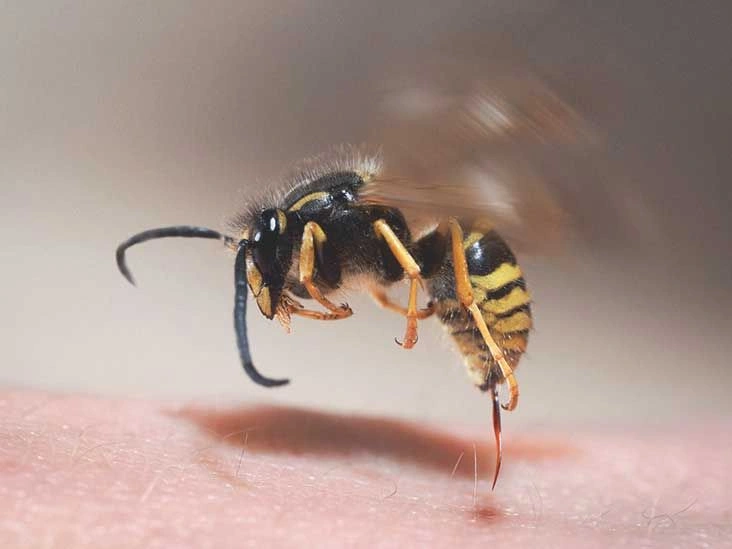
You can manage yellow jacket stings with antihistamines and home treatments. However, any allergic reaction demands immediate medical care. If you have known allergies, always carry an epinephrine auto-injector.
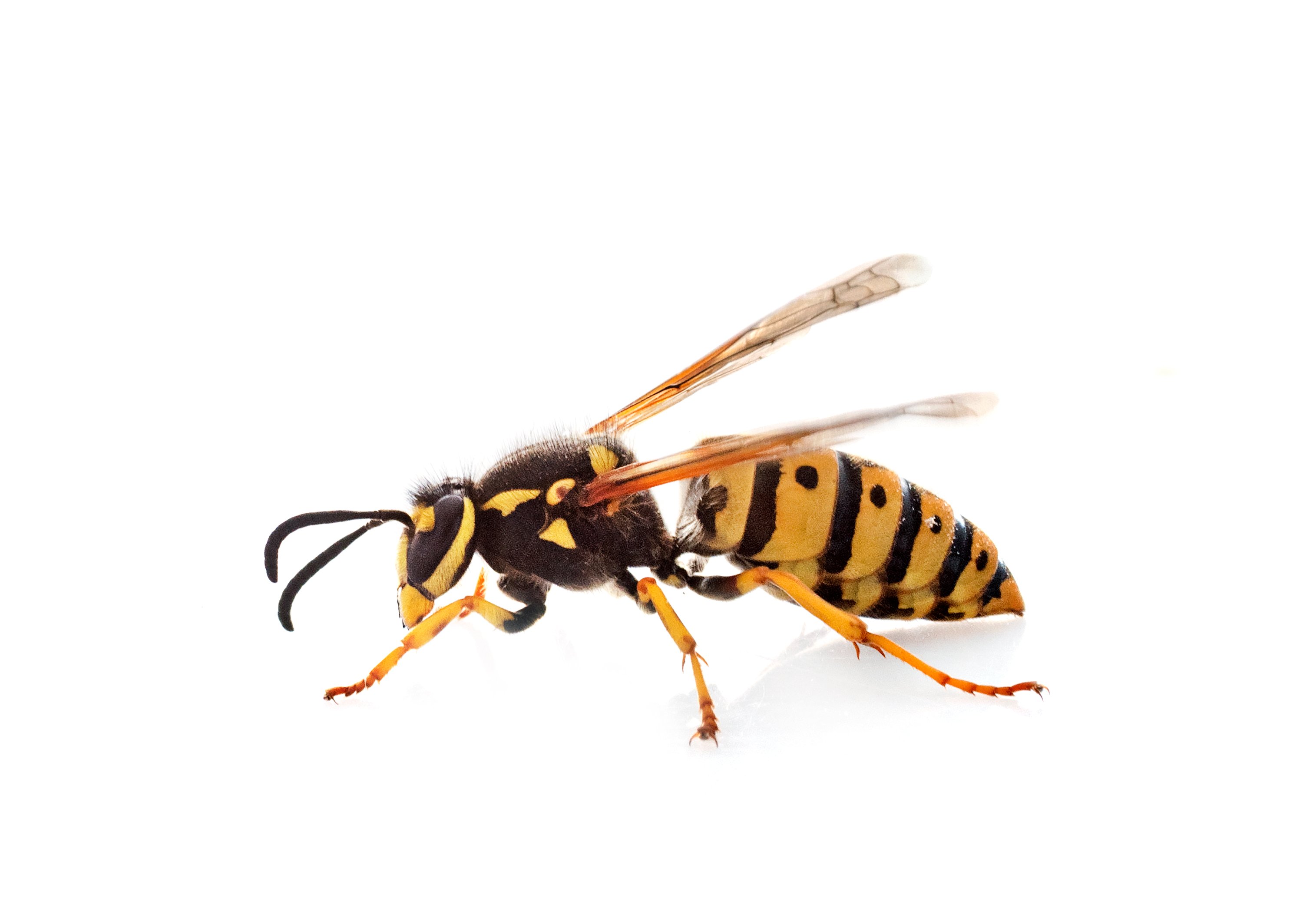
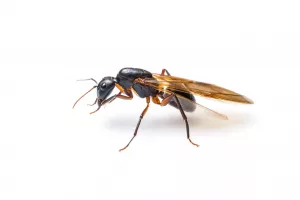
Yellow jackets — scientifically classified as Vespula, Dolichovespula, or Paravespula — are slender wasps with black-and-yellow markings and elongated dark wings. Below you’ll find guidance on treating their stings and steps to avoid them.
What are yellow jackets?
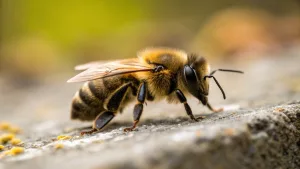
Yellow jackets display banding that often leads people to mistake them for honey bees, though bees are generally rounder in shape. Unlike honey bees that build hives and produce honey, yellow jackets nest in sheltered spots or in the ground.
Bee stingers have barbs that become lodged in skin, causing the insect to lose its stinger and die. Yellow jackets have smooth stingers, so they can sting repeatedly and do not leave a stinger behind.
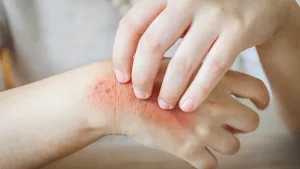
Several hours after a sting, you might notice swelling or redness around the site. Tiredness, itching, and warmth near the injection point are also common reactions for many people.
Yellow jacket sting symptoms
After being stung, swelling, tenderness, or redness around the wound are typical. Some signs require urgent medical attention. These may include:
- coughing or wheezing
- difficulty breathing or swallowing, or tightness in the throat
- skin changes such as hives
- feeling faint, dizzy, or losing consciousness
- vomiting or diarrhea
These symptoms can indicate an allergic reaction or anaphylaxis. Anaphylaxis is a serious, potentially life-threatening allergic response.
If you or someone nearby is having an allergic reaction or anaphylaxis, you should:
- Call 911 right away.
- Check for an epinephrine (adrenaline) auto-injector (EpiPen) and use it if indicated.
- Attempt to keep the person as calm as possible.
- Help them lie flat on their back.
- Elevate their legs about 12 inches and cover them with a blanket.
- Turn them onto their side if they’re vomiting or bleeding.
- Loosen tight clothing so they can breathe more easily.
- Do not give oral medications or fluids, and avoid lifting their head if they’re struggling to breathe.
If they stop breathing or lose consciousness, CPR may be necessary.
Yellow jacket sting treatment
- Apply an ice pack or cold compress for pain relief.Using ice or a cold pack on the affected area can quickly reduce swelling and the painful inflammation from a yellow jacket sting. Wrap the ice or pack in a towel or cloth before placing it on the skin to prevent frostbite. Keep it on the sting for at least 10 minutes for optimal effect.
- Take an antihistamine.The body releases histamine as part of its response to foreign substances, which contributes to swelling and itchiness. Taking an over-the-counter antihistamine such as diphenhydramine (Benadryl) soon after a sting can reduce these reactions.
- Make a baking soda paste.Yellow jacket venom is acidic. Baking soda can help neutralize the toxin. Combine a spoonful of baking soda with water and apply the paste to the sting with a cotton swab or ball to help counteract the venom.
- Use vinegar to ease itching.Plain vinegar can act as an astringent and discourage scratching, which might otherwise cause further irritation or infection. Dab a small amount of vinegar onto a cotton ball and apply it to the site.
- Sprinkle meat tenderizer on the area.There is some evidence behind this folk remedy. Meat tenderizer often contains the enzyme papain, found in papaya, which breaks down proteins in meat and might help degrade venom proteins. Lightly rub a bit of meat tenderizer into the sting to test whether it eases pain and swelling. Note that the scientific support for this approach is limited and not conclusive.
- Use an epinephrine auto-injector.If you or a household member has an allergy to yellow jacket stings, keep an EpiPen accessible. Discuss with your doctor when and how to use this critical prescription treatment.
Optum Now is operated by RVO Health. By clicking on this link, we may receive a commission. Learn more.
How to prevent a yellow jacket sting
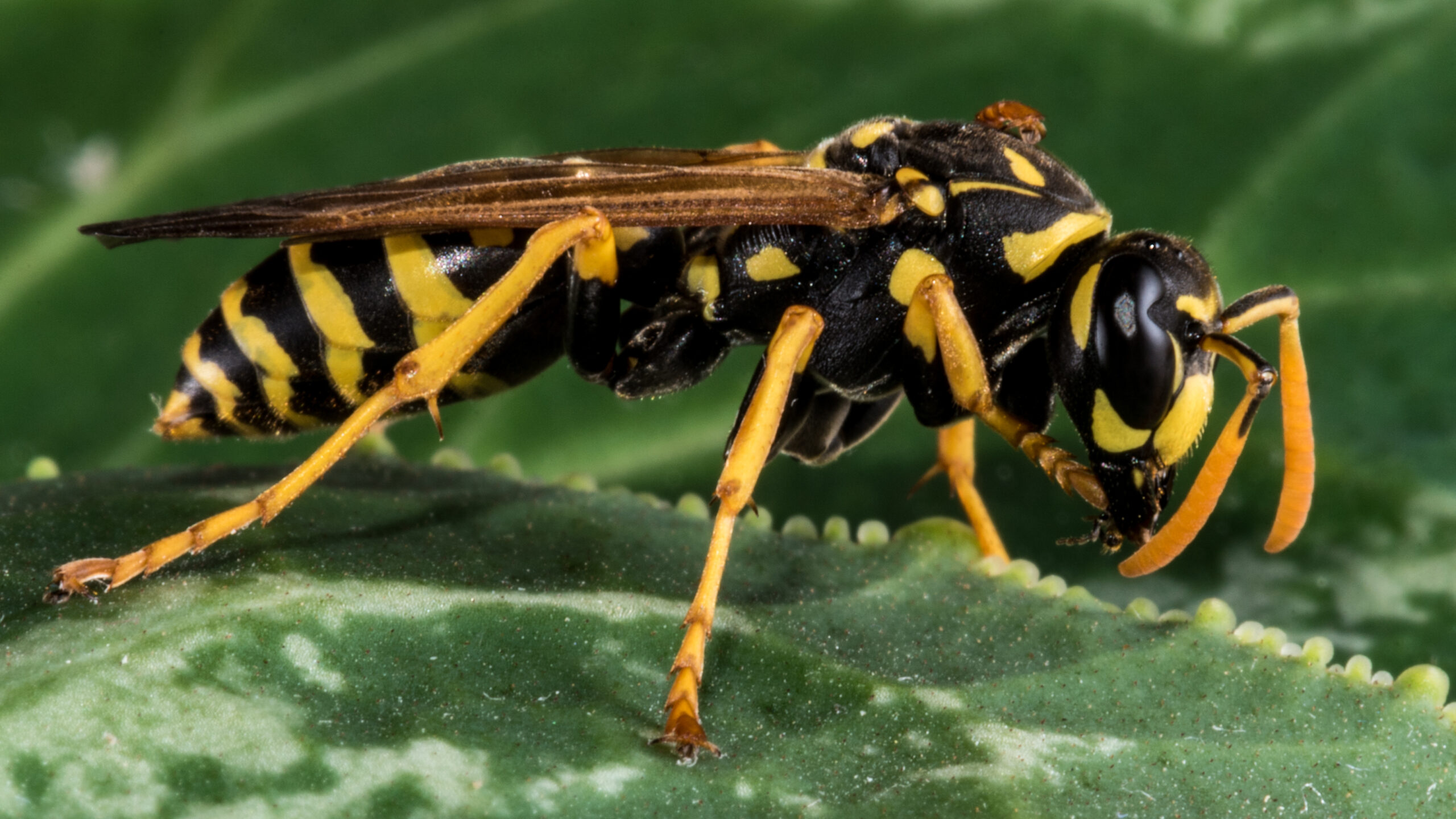
In the warmer spring and summer months, yellow jackets are very active, visiting flowers to feed themselves and their colonies.
They can be more aggressive than honey bees or bumblebees, increasing the likelihood of being stung. Follow these tips to lower your risk:
They can be more aggressive than honey bees or bumblebees, increasing the likelihood of being stung. Follow these tips to lower your risk:
- When eating outdoors, remove trash promptly or cover food to deter yellow jackets.
- Wear clothing that shields areas vulnerable to stings.
- Avoid carrying exposed sweets or sugary drinks and refrain from wearing strong perfumes that attract insects.
- If you encounter a swarm of yellow jackets while hiking, it may indicate a nearby nest—choose a different path.
- Avoid swatting at yellow jackets; aggressive movements can provoke them, so remain still and minimize sudden actions if one lands on you.
Frequently asked questions
Below are answers to common questions about yellow jacket stings.
How do I remove a yellow jacket stinger?
Yellow jacket stingers are smooth and typically do not remain in the skin. If you can see a stinger lodged in the skin, the insect might not have been a yellow jacket.
What should I do if I get stung by a yellow jacket?
If you are stung and do not have severe allergic symptoms, treat the area as described in this article. If someone is experiencing an allergic reaction or anaphylaxis, call 911 and administer an EpiPen if available. Perform CPR if the person isn’t breathing.
How long does a yellow jacket sting last?
Usually, the swelling is confined to the sting location and improves within a few days. In roughly 10% of instances, people may have a larger, more painful localized reaction that is not an allergy but can take longer to subside.












Leave a Reply
You must be logged in to post a comment.