

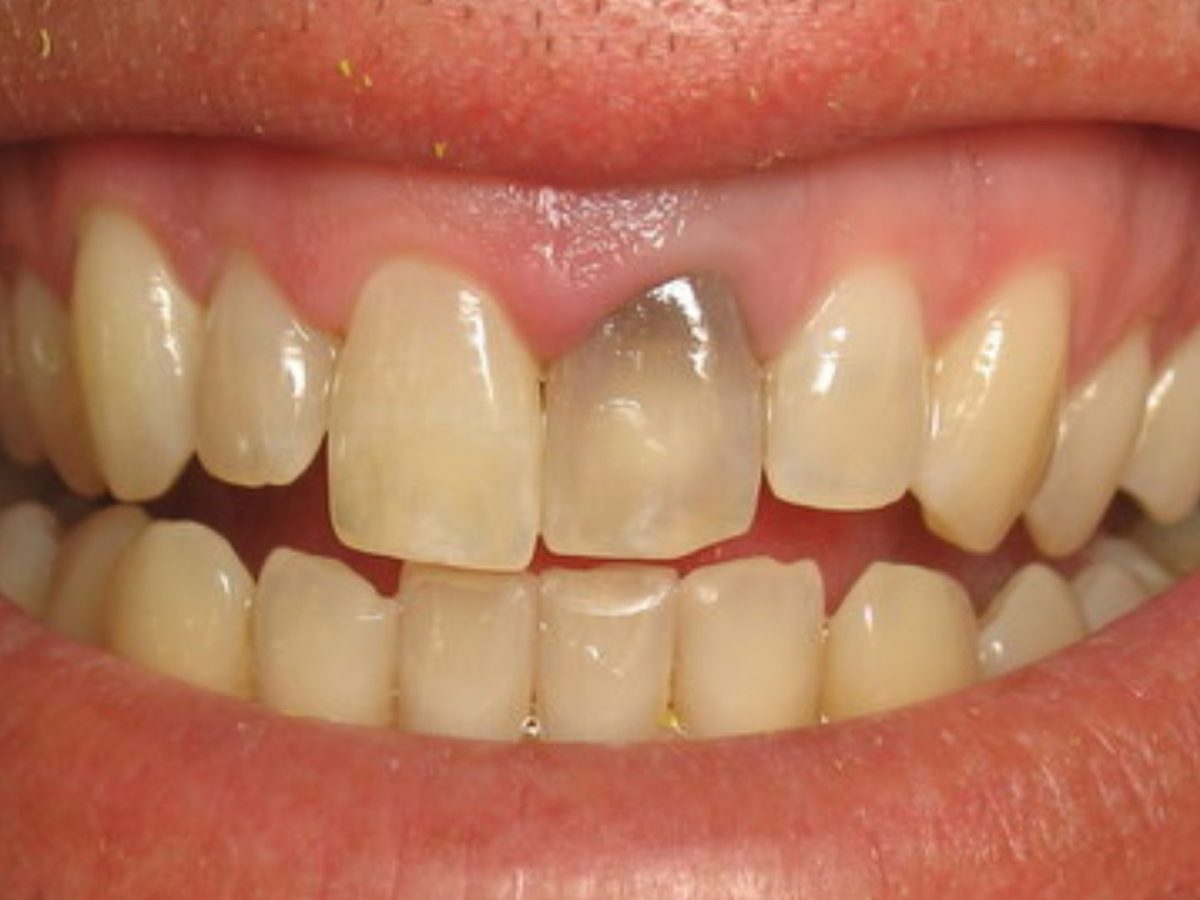
Some individuals are born with naturally gray teeth. Others notice their teeth gradually taking on a gray hue. This can occur at any age and for several reasons.
Sometimes all of the teeth slowly acquire a grayish tint. In other cases, only a single tooth changes color.
Below we’ll review the reasons teeth can turn gray and outline possible remedies.
What makes teeth turn gray?
Potential reasons for gray teeth include:
- Tetracycline. This antibiotic can discolor teeth in children whose teeth are still forming. It most commonly affects children younger than 8. A fetus can also develop gray teeth if the mother took tetracycline during pregnancy. For more information on antibiotic-related tooth discoloration, see tetracycline teeth.
- Dental restorations. Materials used to fill cavities or restore teeth may sometimes cause discoloration. Examples include metal crowns and amalgam (silver) fillings.
- Root canal medications. Ledermix is a paste used in some root canal procedures; it contains demeclocycline hydrochloride and triamcinolone acetonide, which can produce a grayish-brown tint. Another product, Ultracal XS, contains calcium hydroxide and can have a similar, though milder, effect.
- Tooth trauma. Any injury that disrupts blood flow to a tooth can cause the tooth to die and darken to gray. Trauma-related staining may not appear until months or even years after the injury, so the cause isn’t always obvious.
- Tooth decay. Extensive decay can interrupt a tooth’s blood supply, leading to death of the tooth and a gray appearance.
- Dentinogenesis imperfecta. This rare inherited disorder of tooth formation can make baby and permanent teeth look blue-gray. It also weakens teeth, increasing the risk of fractures.
- Aging. Teeth may naturally shift in color and take on a gray-blue cast as part of the aging process.
Optum Now is operated by RVO Health. By clicking on this link, we may receive a commission. Learn more.
How are the conditions that cause gray teeth diagnosed?
Your dentist will evaluate your teeth to identify why they appear gray. This typically includes a visual exam of teeth and gums plus dental X-rays. In some cases your dentist may perform a pulp test to check for pulp necrosis (death of the tooth’s internal tissue).
It’s important to see a dentist for gray teeth because a color change can be a sign the tooth is dying.
A dying tooth can harbor bacteria that may spread and threaten neighboring teeth. A root canal is often the recommended treatment for a nonvital (dead) tooth.
When to see your dentistSee your dentist for graying teeth if: one or more teeth change color or appear stained; you experience pain or sensitivity in any teeth; your gums are swollen, tender, or bleed.
What treatments are available for gray teeth?
Whitening approaches tend to be more effective on yellow stains than gray ones, but they can still improve gray teeth in many cases. How well whitening works depends on the depth of discoloration and its underlying cause.
If the discoloration stems from tetracycline exposure, whitening may not produce uniform results across all teeth.
Discuss options with your dentist. Possible treatments include:
- using whitening toothpaste
- brushing with natural abrasives like baking soda
- over-the-counter whitening strips for home use
- custom take-home bleaching kits prepared by your dentist, which include a bleaching gel and fitted tray
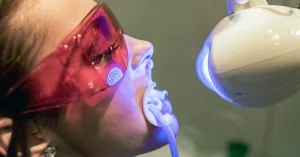
- in-office professional whitening, which uses stronger concentrations of bleaching agents and sometimes adjunctive light therapy
- dental veneers — thin, custom-made porcelain or composite shells that cover the front surface of teeth and provide a semi-permanent cosmetic solution
What to expect if a tooth becomes gray
Gray teeth often won’t return to their original shade without intervention from whitening agents or restorative procedures.
If home remedies don’t deliver the outcome you want, your dentist may suggest in-office bleaching or veneers as alternatives.
Key takeaways
Any tooth that turns gray should be checked by a dentist. They can determine whether the tooth is dying and recommend the appropriate treatment.
Gray teeth that are not the result of pulp death can frequently be lightened with at-home or professional dental treatments. The final result depends on the severity of the discoloration and its cause.



















Leave a Reply
You must be logged in to post a comment.