

The crown of your head refers to the very top portion of your skull. Common problems that can involve this region include hair thinning, sunburn, dandruff, and psoriasis, among others.
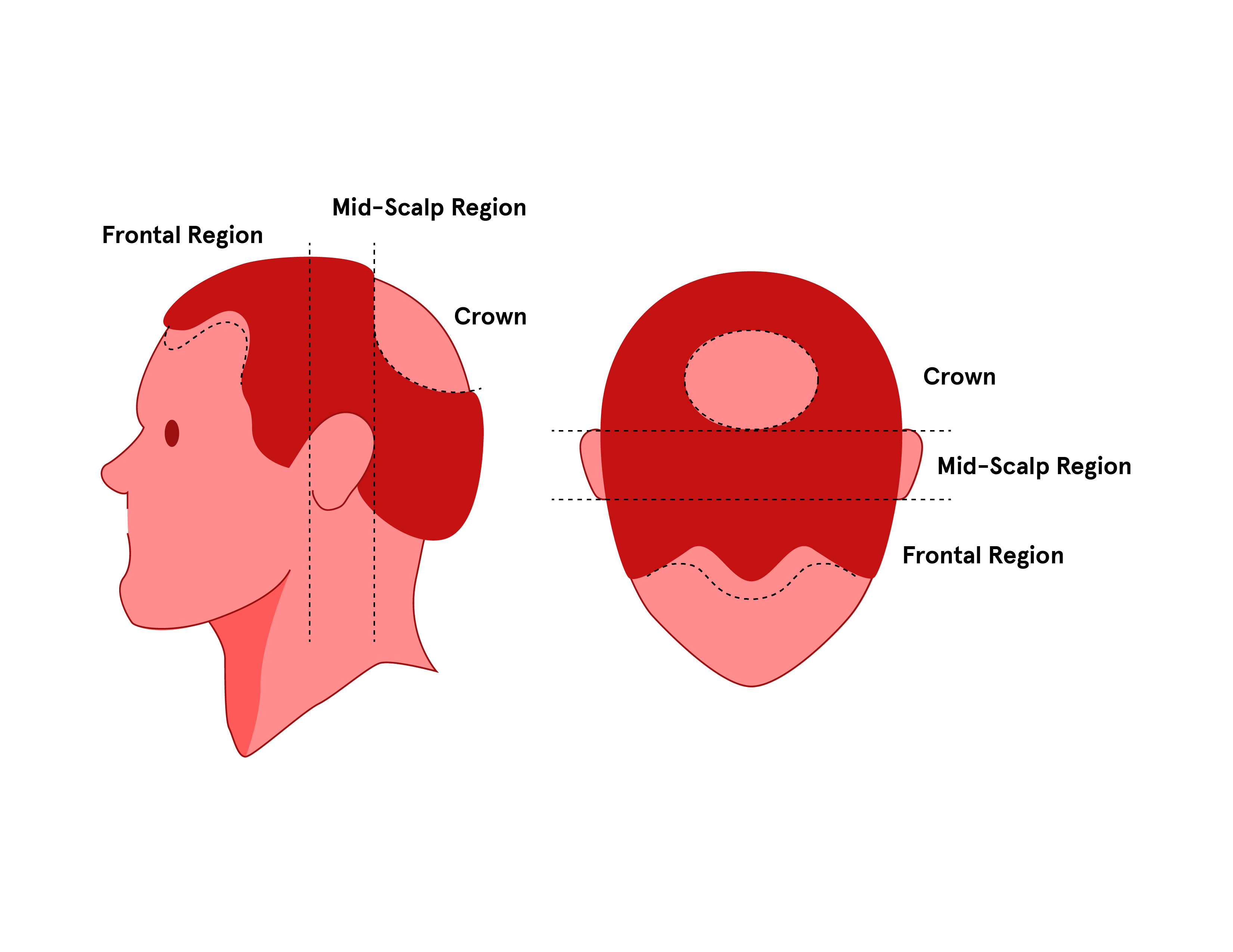
Your head consists of several distinct regions. Each region can be affected by different medical issues. Some problems originate in the scalp itself, while others arise from nerves, blood vessels, or deeper structures in the area.
One part you may be particularly aware of is the crown — the topmost point of your head. Below, we review a variety of conditions that can involve this region, their common signs, and when you should seek medical advice.
Where is the crown of your head?
The crown is situated at the highest point of your skull. It’s also referred to as the vertex.
Like other skull regions, the crown helps shield and support the tissues of the head, including the brain. Anatomically, it sits along the sagittal suture, one of the joints that link the skull bones.
The sagittal suture extends along the midline of the skull from front to back. The crown is positioned on this line at the skull’s peak.
To locate the crown on yourself, place your hand along the midline of your skull and slide your fingers backward. When you reach the highest point, you’ve found the crown.
What health problems commonly affect this area?
Below are several conditions that commonly involve the crown of the head.
Hair loss
Hair loss, or alopecia, occurs when hair diminishes from the scalp or other body areas. Two forms that frequently affect the crown are androgenic alopecia and alopecia areata.
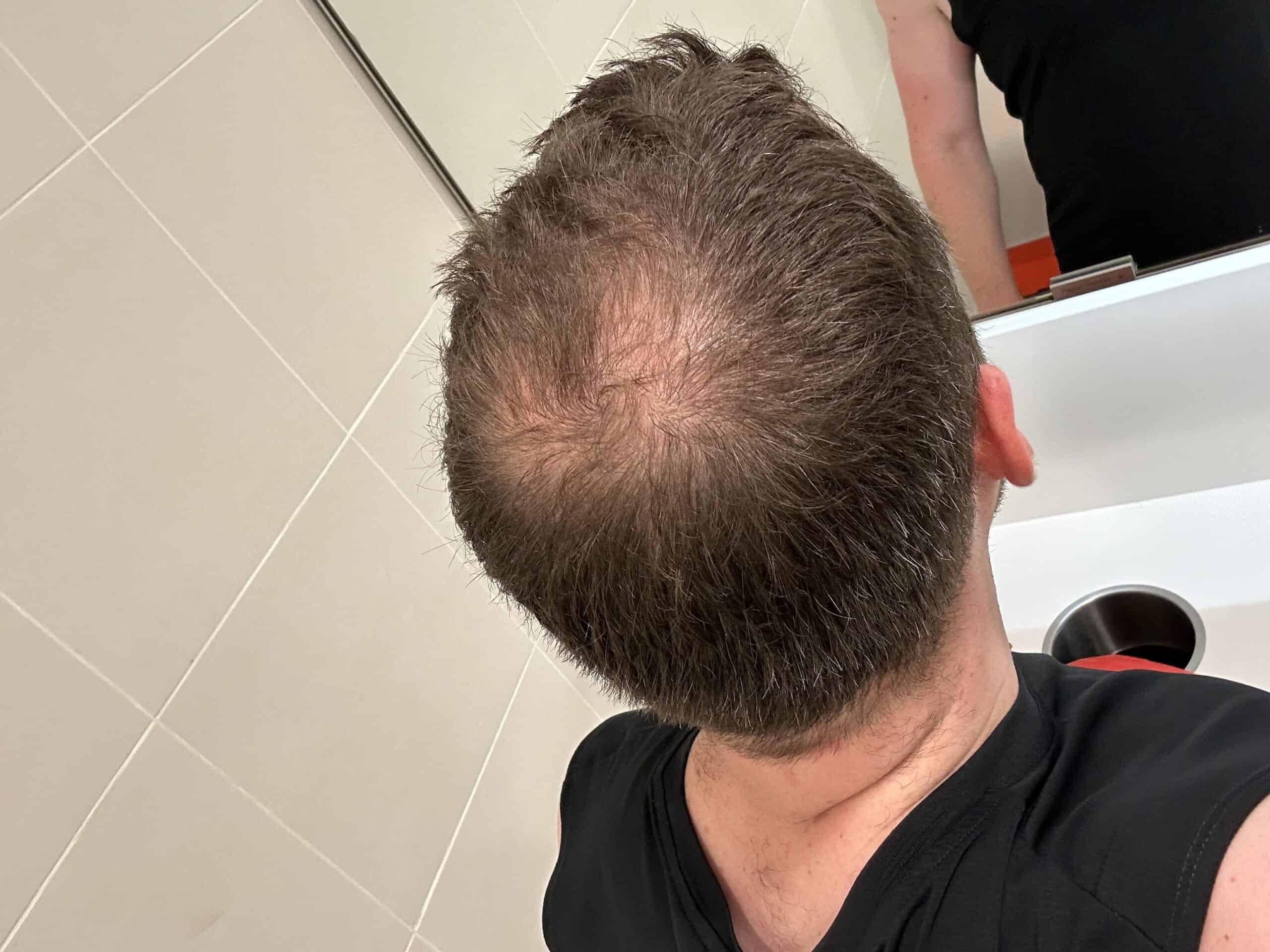
Androgenic alopecia is the most prevalent type of hair loss in both men and women. Many people with this condition have family members who experienced similar hair thinning.
Although the specific pattern differs between men (male pattern baldness) and women (female pattern baldness), androgenic alopecia typically causes thinning at the crown for both sexes.
Androgenic alopecia at the crown may also be linked to increased risks for certain health issues, for example:
- A 2013 meta-analysis of six studies including more than 36,990 men reported a modest connection between crown-involved androgenic alopecia and a higher risk of coronary heart disease.
- A 2014 cohort study of 39,070 men found that male pattern baldness was moderately associated with elevated risk of aggressive prostate cancer.
Alopecia areata is thought to result from the immune system attacking hair follicles. It can produce patchy hair loss on the scalp, including the crown, and may affect the whole scalp or other body regions.
Sunburn
Sunburn results from excessive exposure to ultraviolet (UV) radiation, typically from sunlight but also from artificial sources like tanning beds.
Key signs to watch for include skin that:
- appears pink or red
- is painful or tender
- feels warm when touched
- has blisters
If you have thinning hair at the crown, that area is more vulnerable to sunburn. When spending time outdoors, apply sunscreen and wear a hat or other head covering to protect the scalp.
Dandruff and seborrheic dermatitis
Dandruff and seborrheic dermatitis are related; dandruff is generally a milder form of seborrheic dermatitis. Both can sometimes be confined to a single area like the crown, though they frequently involve multiple scalp regions.
Dandruff causes flaky, scaly skin on the scalp with white or gray flakes that may fall onto clothing—especially dark garments. It may be mildly itchy.
Seborrheic dermatitis also leads to flaking and scaling, but the flakes are often yellowish and greasy. It can feature redness and itching. In infants, seborrheic dermatitis on the scalp is commonly called cradle cap.
Psoriasis
Psoriasis is a chronic autoimmune skin disorder. Approximately half of people with psoriasis experience scalp involvement.
Scalp psoriasis can appear as patches anywhere on the scalp or may spread across the entire scalp.
Psoriasis tends to flare and remit. Triggers for flare-ups can include stress, cold weather, and dry air.
Possible signs of scalp psoriasis include:
- red, inflamed patches on the scalp
- skin scaling that looks silver or gray
- itching, ranging from mild to severe
- dry, cracked skin that may bleed
- a sore or burning feeling on the scalp
- temporary hair loss in affected zones
Ringworm (tinea capitis)
Ringworm is a fungal infection that may affect various body parts, including the scalp. When it involves the scalp, it’s called tinea capitis and is more common in children than adults.
Tinea capitis spreads through direct contact with an infected person or animal, or via shared items like brushes, combs, and hats.
The infection usually starts at the site of contact and can spread over the scalp. Symptoms include:
- circular patches with red, inflamed edges that expand slowly
- scaly skin
- itching
- hair loss
- brittle hair that breaks easily
Headaches
You might experience head pain localized to the crown. Several headache types can produce pain at the top of the head, such as:
- Tension-type headache: The most common headache, usually from muscle contraction in the head or neck due to stress or poor sleep. It can feel like a tightening band around the head.
- Chronic headaches: Defined as having headaches on at least 15 days per month over a 3-month period. Individuals often report a constant mild to moderate ache at the top or sides of the head.
- Migraine: Recurrent attacks of moderate to severe throbbing or pulsing pain. While migraines often affect one side, the pain can spread to the top of the head.
- Occipital neuralgia: Characterized by throbbing or electric shock–like pain in the neck and back of the head that radiates upward. Scalp pain can also occur.
Injury
The crown of your head can be injured through falls, car crashes, assaults, and similar trauma.
Signs of a head injury may include:
- headache
- swelling, bruising, or bleeding at or near the site
- confusion
- difficulty speaking, walking, or recalling events
- changes in vision or hearing
- seizures
- clear fluid draining from the nose or ears (possible CSF leak)
- loss of consciousness
Skin cancer
Various skin cancers can develop anywhere on the body but frequently appear in sun-exposed areas such as the head, neck, and back.
People with hair thinning on the crown may have higher exposure to UV radiation and therefore potentially greater risk for skin cancer. A 2016 cohort study observed an association between male pattern baldness and increased skin cancer risk.
Common features of different skin cancers include:
- Basal cell carcinoma: flat, pale scar-like patches; raised red areas that may itch; pearly nodules with mixed colors; or sores that crust or ooze.
- Squamous cell carcinoma: wart-like growths; raised lumps with central dimpling; rough red areas that may bleed; or sores that crust or ooze.
- Melanoma: changes in a mole or birthmark—such as asymmetry, irregular borders, varied color, large size, evolving shape or color, itching, or bleeding—may signal melanoma.
Brain tumors
Brain tumors can cause symptoms felt at the crown, notably headache. Headaches from brain tumors commonly:
- occur more frequently over time
- worsen progressively
- become constant
- have irregular patterns of onset
- are worse in the morning
- intensify with coughing, position changes, or straining
Other possible signs of a brain tumor include:
- nausea and vomiting
- seizures
- vision or hearing difficulties
- weakness or poor coordination
- changes in personality, behavior, or memory
Conditions affecting infants
Some conditions can alter the shape of an infant’s crown. It’s common for infants to have uneven head shapes, such as one area appearing flatter than the rest.
This may result from the birth process or from spending prolonged time lying in one position (positional plagiocephaly). Many cases improve with repositioning during sleep or by using a custom-molded helmet.
You might also notice a bulging fontanel (soft spot) near the crown. Fontanels are gaps between skull bones that allow the infant’s brain to grow.
The anterior fontanel, the largest, lies near the crown. If it bulges or feels tense, possible causes include:
- encephalitis
- meningitis
- hydrocephalus
- head trauma
- oxygen deprivation to the brain (hypoxic-ischemic injury)
- intracranial bleeding
When to see a doctor
Consider scheduling a medical visit if you notice any of the following:
- itching at the crown that: persists, is severe, or disrupts sleep or daily life
- hair loss that: begins suddenly, is unexplained, or causes significant distress
- an unexplained rash at or around the crown
- a sunburn that: covers much of the body, is extremely painful, is accompanied by dehydration, or occurs with a high fever
- moles or spots that: look abnormal, are red/swollen/bleeding, or have changed in appearance
- a headache that: doesn’t improve with home care or worsens, recurs often, starts suddenly and is severe, follows head trauma, accompanies stroke warning signs (numbness, vision issues, confusion), or occurs with meningitis symptoms like fever, stiff neck, nausea, or vomiting
If a severe head injury occurs, call emergency services immediately. Rapid evaluation is essential to prevent serious outcomes such as brain damage.
Takeaway
The crown is the highest point of your skull and can be involved in a variety of conditions.
Many of these issues affect the skin—examples include dandruff, sunburn, and psoriasis—while others involve pain (headaches), injury, or more serious concerns like tumors. People with thinning hair at the crown may face increased sun exposure and related risks, and if a dental restoration such as a crown fell out this is unrelated but worth addressing by a dentist.
Some conditions can be managed at home, but others require medical evaluation. If you have worrying symptoms at or around the crown of your head, contact a healthcare professional for an assessment.






















Leave a Reply
You must be logged in to post a comment.