
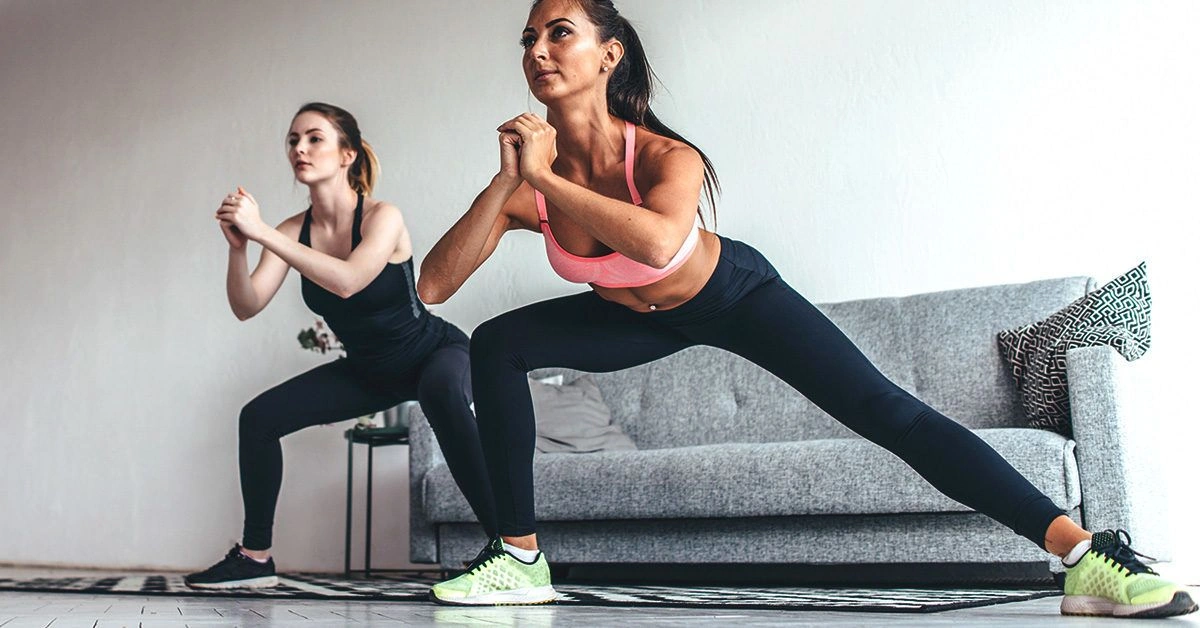
Regular exercise and a wholesome diet can help diminish the visible signs of cellulite. Less invasive procedures, medications, and topical treatments might also offer improvement.
Cellulite may become more noticeable with age or weight gain.
There are several approaches to lessen its visibility, including creams and cosmetic treatments.

What is cellulite?
Cellulite appears as a dimpled texture of the skin, most often seen on the thighs or other regions where fat tends to collect.
It develops when fat deposits beneath the skin press upward against bands of connective tissue. Its development may be influenced by estrogen production.
As many as 90% of post-pubertal women have cellulite. Despite its prevalence, cellulite is associated with negative psychosocial impacts.
Treating cellulite on the thighs
The American Academy of Dermatology Association (AAD) indicates that certain cosmetic interventions can help address cellulite. No method eliminates it entirely, but some noninvasive and minimally invasive procedures may lessen its appearance.
Some treatments require multiple sessions for visible change, while others might need repeating every few years to maintain results.
Evidence-supported therapies for cellulite include:
- Acoustic wave therapy, also called extracorporeal shock wave therapy (ESWT), is a noninvasive approach that can reduce cellulite and firm the skin.
- Laser therapy can improve cellulite and produce effects that last 6 months to a year or longer.
- Subcision is a minimally invasive technique where a trained practitioner uses a needle to sever the fibrous bands that cause cellulite. Results may persist for 2 years or more.
- Vacuum-assisted precise tissue release employs a device with tiny blades to cut the fibrous bands responsible for cellulite, with outcomes that can last 3 years or longer.
- Carboxytherapy, which introduces carbon dioxide beneath the skin, may reduce cellulite appearance, though additional research is needed.
- QWO, or collagenase clostridium histolyticum-aaes (CCH), is an injectable approved for treating cellulite on the buttocks. A 2020 trial involving 259 participants found CCH to be safe and effective for moderate to severe buttock and thigh cellulite.
Topical products for cellulite
Some topical formulations can help minimize cellulite’s look. These include:
- Creams with caffeine may dehydrate skin cells slightly, which can temporarily lessen the look of cellulite. Continuous daily use is necessary to preserve the effect.
- Topicals containing 0.3% retinol may also improve cellulite by thickening the skin. Consistent use for at least 6 months is typically required to see results.
Before applying a product broadly, test it on a small area of skin for 24 to 48 hours to check for irritation or allergic reactions.
The AAD warns that lotions with aminophylline may be unsafe for people with asthma, as aminophylline can affect breathing.
Weight loss and cellulite
If you are overweight or have obesity, shedding extra pounds may tone your thighs and reduce the visibility of cellulite. However, if weight loss leaves behind loose skin, it might accentuate cellulite instead.
Remember that people at any weight can have cellulite, including athletes who train regularly. Losing weight won’t necessarily diminish cellulite for everyone.
If you opt for weight loss, aim for a safe, long-term approach.
Weight reduction usually involves burning more calories through physical activity, consuming fewer calories through diet, or combining both strategies.
Other helpful weight-loss measures, such as replacing processed foods with more nutritious choices, can also assist.
Exercises for cellulite on thighs
Exercise isn’t a guaranteed cure for thigh cellulite, but building stronger muscles and tightening skin may help reduce its visibility.
Certain leg and glute movements can firm the skin around the thighs, including:
Squats
To do a squat:
- Stand with your feet about shoulder-width apart. Point your toes forward.
- Lower your hips as if sitting back into a chair, keeping knees behind the toes.
- Contract your glutes to rise to the starting position, then repeat.
Jump squats
This is a more intense version of the squat with an explosive jump at the top:
- Perform a standard squat.
- As you return to standing, add a quick jump.
- Land gently on your feet. Repeat.
Step-ups
- Stand in front of a sturdy bench or exercise box.
- Step up onto the box one foot at a time.
- Step back down in the same sequence.
- Repeat.
Glute/leg kickbacks
- Start on all fours on the floor.
- Extend one leg backward, engaging glutes and upper thighs.
- Perform 12 to 15 repetitions.
- Lower and switch to the other leg.
Side lunges
- Stand tall with feet hip-width apart.
- Take a wide step to the right. Bend your right knee and push your hips back while keeping the left leg straight.
- Keep both feet flat during the movement.
- Push off with the right leg to return to the starting stance.
- Repeat on the opposite side, bending the left knee and straightening the right.
Add progressions
The exercises above can be done using just your body weight. You can also incorporate dumbbells or barbells as you progress.
Perform 12 to 15 reps per set. As strength increases, raise the weight or the number of repetitions.
Always warm up before exercising to lower the risk of muscle strain.
Try to exercise 2 to 3 times weekly for about 30 minutes each session.
Rather than relying on a single movement, follow a consistent routine that blends aerobic activities and resistance training. Cardio helps burn fat while strength training builds muscle and enhances skin firmness.
Combined, these elements can help improve the appearance of thigh cellulite.
Examples of aerobic activities that assist with fat burning include:
- cycling
- dancing
- hiking
- running
- swimming
- walking
If you’re new to exercise, consult your doctor to confirm it’s safe for you before beginning.
Frequently asked questions
Why does cellulite develop on the thighs?
Cellulite commonly forms on the thighs because this area contains more adipose tissue. Other contributing factors include:
- age
- estrogen
- genetics
- tissue inflammation
- increased fat from weight gain
- loss of collagen
- thinning of the epidermis (outer skin layer)
What are the stages of cellulite?
Several grading scales exist for cellulite, mainly used by researchers to measure treatment effects in clinical studies.
The Cellulite Severity Scale includes:
- Grade 0: No depressions, raised areas, or draped appearance.
- Grade 1 (mild): Superficial dimpling with an “orange peel” texture and one to four slight depressions.
- Grade 2 (moderate): Deeper rippling resembling “cottage cheese” with five to nine moderate depressions.
- Grade 3 (severe): Pronounced rippling like a “mattress” with 10 or more deep depressions.
The bottom line
There’s no guaranteed way to prevent cellulite. The likelihood of developing it increases with age and certain lifestyle influences.
While aging itself isn’t controllable, lifestyle measures may reduce how noticeable thigh cellulite is. These include regular physical activity and a balanced diet.
See a dermatologist if you’re considering professional procedures to lessen cellulite’s appearance. Treatments like laser therapy may offer benefits.
If you need a dermatologist, the Healthline FindCare tool can help you locate one nearby.
Keep in mind that results from any treatment are not permanent. You’ll likely need follow-up sessions to maintain reduced visibility of thigh cellulite.



















Leave a Reply
You must be logged in to post a comment.