
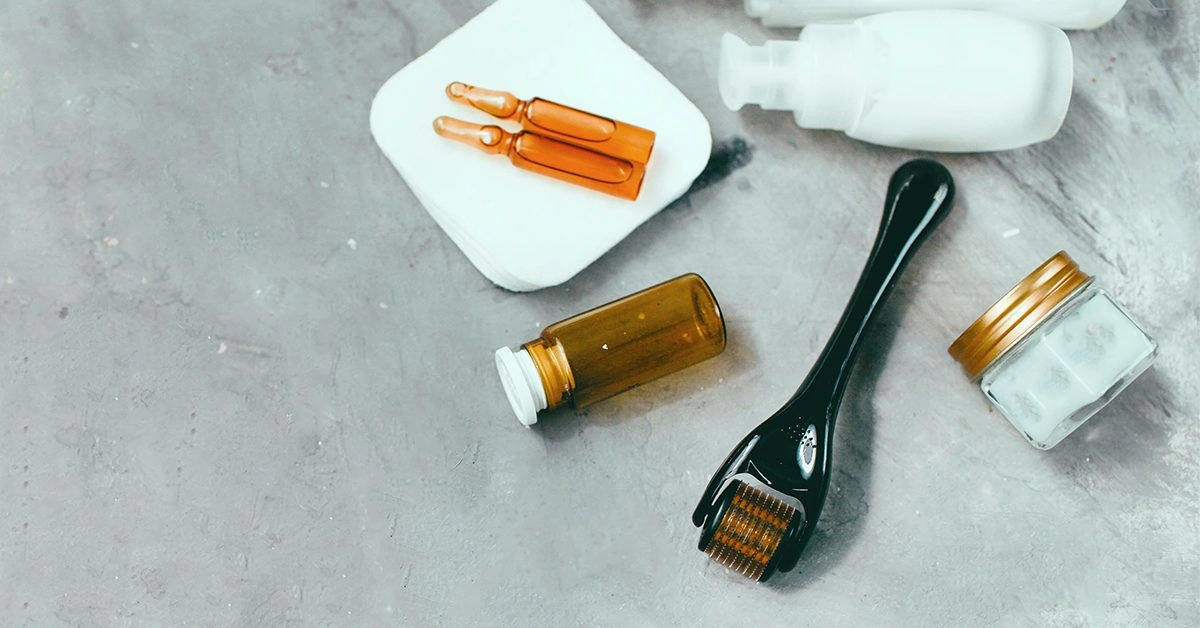
Maintaining basic cleanliness to prevent infection and applying sunscreen daily can support your skin’s recovery after microneedling.

Microneedling is a minimally invasive cosmetic treatment that encourages blood flow. It’s commonly used to enhance the appearance of scars and boost collagen production.
When performed in a clinical setting, microneedling involves preparation and the procedure itself, which can take several hours.
One aspect that’s often overlooked is the aftercare required following the treatment. Because microneedling creates tiny punctures in the skin, you must take measures to protect your skin barrier while it repairs.
Even if you perform microneedling at home, you’ll still need to be extra cautious with your skin care in the days after treatment.
Continue reading to learn what to anticipate after microneedling and how to care for your skin during recovery.
Advantages of microneedling
The primary advantage of microneedling is that it refines skin texture. It does this by triggering collagen production, which helps refresh the skin. Consequently, it can address several common skin concerns.
Microneedling can help:
- soften fine wrinkles
- diminish acne scarring
- address sun-induced damage such as hyperpigmentation and age spots
- reduce pore size
- brighten the complexion
- lessen the visibility of stretch marks
Stages of healing after microneedling: What to expect
After microneedling, certain side effects are normal.
When you leave your session, your skin may appear flushed or vivid red, similar to having a mild to moderate sunburn after prolonged sun exposure.
The redness from microneedling typically subsides within 48 hours. Other signs, like peeling or breakouts, may require a bit more time to resolve.
Most of the visible recovery happens during the first day or two, but deeper healing continues beneath the surface for up to two months following the procedure.
Even with careful aftercare, there’s little you can do to eliminate redness immediately after microneedling.
Swelling commonly persists for up to 48 hours post-treatment. Flaking or peeling is also a relatively frequent occurrence.
Other effects, such as bumps, breakouts, and dry skin, can happen as well — though not everyone will experience them.
Using moisturizers and gentle cleansers can help reduce these side effects.
Fortunately, the expected downtime after microneedling is relatively brief compared with many other cosmetic treatments.
Aftercare recommendations
Your clinician should give you specific guidance on post-microneedling care. Those directions may be tailored to your medical history or skin type, so adhere to them closely.
Sun protection
In general, you should consistently use sunscreen for the first two weeks after microneedling. Apply sunscreen whenever you head outdoors during the days following your treatment.
Avoid extended sun exposure for the first week after the procedure, since your skin will be more vulnerable to sun damage than usual.
Preventing infection
If your clinician prescribes a topical antibiotic, use it to help prevent infection.
Wash your hands before touching your face.
Avoid applying makeup—especially with previously used brushes—for at least 24 hours after microneedling.
To safeguard your skin, also avoid swimming pools, saunas, and situations that may cause heavy sweating, including vigorous gym workouts.
After about 72 hours, you may be able to resume these activities, depending on your recovery and your provider’s advice.
Products to use or steer clear of
In the first few days after microneedling, there are several product-related precautions to keep in mind.
Avoid exfoliants, retinoids, and vitamin C
Steer clear of skincare items that contain harsh exfoliating agents. Avoid scented products, and refrain from glycolic acid or other alpha hydroxy acids (AHAs).
Retinol and vitamin C serums should be withheld for at least the initial 48 hours after microneedling.
Once two full days have passed, you can slowly reintroduce products into your routine rather than immediately returning to your full regimen, especially if you use strong anti-aging formulations.
Cleansers and moisturizers
Run any cleansers, toners, or scrubs you plan to use during the 2–3 days after microneedling by your dermatologist to ensure the ingredients won’t aggravate side effects.
Hyaluronic acid can be applied following microneedling and is even suggested in some cases to help support collagen stimulation post-procedure.
If your skin feels dry, applying coconut oil as an emollient is typically safe to help seal in moisture and hydrate your face after microneedling.
Diluted, alcohol-free witch hazel can also be used to cleanse dry skin.
It’s best to stick with mild, familiar natural ingredients you know your skin tolerates.
When can you wear makeup again?
Trying to cover up redness with makeup right away is ill-advised, as cosmetics can clog pores on your newly exposed skin and potentially trigger breakouts.
Exercise patience while the redness fades, and in the meantime, use gentle, unscented, naturally based products for some relief. Ideally, wait at least 48 hours after microneedling before applying makeup to allow the skin a chance to heal.
When to contact a clinician
Microneedling is generally regarded as a low-risk procedure. Occasionally, complications can arise that need medical evaluation.
Watch for symptoms such as:
- fever over 100.4°F (38°C)
- nausea
- hives
- yellow or green discharge
- bleeding
- severe headache
Infections after microneedling can occur, often when non-sterile tools are used. Allergic reactions to the needles themselves are also possible.

Conclusion
Caring for your skin following microneedling greatly influences the success of your treatment. Proper aftercare not only relieves symptoms but also protects your skin from further harm while it repairs.
Follow your healthcare provider’s directions closely, and don’t hesitate to ask questions both before and after your appointment.




















Leave a Reply
You must be logged in to post a comment.