

Discomfort beneath your left breast can stem from a wide range of issues — from benign problems like acid reflux to urgent conditions such as a heart attack. A clinician can determine the cause from your symptoms and exam. If you develop sudden, intense pain, get emergency medical help.

Several important organs reside on the left side of the torso. Directly under and around the left chest are the heart, spleen, stomach, pancreas, and part of the large intestine.
The left lung, left breast, and left kidney are also present, though they sit higher in the body compared with some right-side structures.
Pain beneath the left breast can arise from many different sources — some minor, some serious.
What causes pain beneath the left breast?
Pain felt under your left breast can relate to various organs and systems. Frequently it’s linked to structures in the upper-left portion of the abdomen and chest, including the stomach, heart, lungs, pancreas, and spleen.
Common categories include cardiac, gastrointestinal, or breast-related causes.
Keep in mind that the site where you feel pain does not always correspond to the exact origin. Some reasons don’t neatly fit these groups.
Learn more: 16 causes of left chest pain and when to seek help.
Heart-related causes
- Heart attack: A myocardial infarction can produce left-sided discomfort under the breast because the heart lies left of center in the chest.
- Pericarditis: Inflammation of the pericardium, the thin two-layer sac surrounding the heart, can cause pain when the irritated membrane rubs against the heart.
- Precordial catch syndrome: This occurs when nerves in the chest wall become irritated or pinched. It can create sudden, sharp pain near the left breast that mimics a heart attack but typically resolves on its own.
- Angina: Reduced blood flow and oxygen to heart muscle from the coronary arteries can cause discomfort beneath the left breast.
Digestive causes
- Gastritis: Inflammation of the stomach lining, which lies in the upper-left portion of the abdomen, can produce pain in this area.
- Pancreatitis: Inflammation of the pancreas often develops on the left side of the abdomen and may be perceived higher up near the breast.
- Heartburn: Acid reflux irritating the esophagus can create a burning sensation in the chest or throat; some people feel it behind the left breastbone and mistake it for cardiac pain.
Breast-related causes
- Issues with a left milk duct: Conditions such as a plugged duct, mastitis, or a breast abscess can lead to localized pain.
- Breast cancer: In addition to a lump, persistent chest or breast pain on the affected side can be a sign of malignancy.
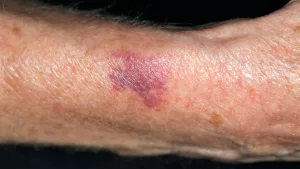
- Breast injury: Trauma to the left chest may cause pain and other findings like bruising.
Other causes
- Pleurisy: Inflammation of the pleura, the lining around the lungs and chest cavity, causes chest pain with breathing that can be felt near the breast.
- Costochondritis: Inflammation of the cartilage that connects the ribs to the sternum can affect either side of the chest near the breasts and produce localized pain.
- Spleen injury: The spleen, located left of the stomach and involved in blood filtration, can cause upper-left pain if injured or ruptured due to bleeding and irritation in the abdomen.
- Hiatal hernia: When part of the stomach pushes through the diaphragm into the chest, reflux of stomach acid into the esophagus can produce upper-left discomfort that may radiate toward the breast area.
- Pregnancy: As the fetus grows, pressure on the lungs and chest can create a feeling of fullness or pressure near the breast and may be accompanied by heartburn.

Occasionally, pain felt under the left breast can also overlap with symptoms that might appear as pain under left armpit, depending on the source and how the pain radiates.
When to see a doctor
Any sudden, severe, or unusual pain — on the left side or elsewhere — warrants urgent medical evaluation. While the list below is not exhaustive, seek emergency care if you experience:
- tightness or pressure in the chest, particularly if you have known heart disease or the pain is accompanied by sweating, nausea, or shortness of breath
- difficulty breathing
- trauma to the chest
- changes in bowel movements — inability to pass stool, or stools that are bloody, greasy, or tar-like
- pain that doesn’t improve with rest or begins to spread to other areas
Frequently asked questions
Which organs lie beneath the left breast?
The heart, spleen, stomach, pancreas, and portions of the large intestine occupy space beneath the left breast.
Why am I experiencing pain under my left rib cage?
Many conditions that cause left-sided chest pain can also produce pain under the ribs. Other potential causes include a fractured rib, irritable bowel syndrome (IBS), inflammatory bowel disease (IBD), and kidney stones.
Learn more: What’s causing pain under my left ribs?
How can I tell if my breast pain is from the heart?
Signs of a heart attack include chest discomfort, abdominal pain, an irregular heartbeat, sweating, shortness of breath, and lightheadedness. Some people, especially those assigned female at birth, may experience nontraditional symptoms such as extreme fatigue, anxiety, or pain in the shoulder, throat, or jaw. Mild symptoms like heartburn can also mask a cardiac event, which is why heart attacks may be difficult to recognize.
WHEN TO CALL 911
Any chest pain or pressure lasting longer than a few minutes or differing from previous pain should prompt immediate medical attention. This is particularly critical if you have any of the associated warning signs.
Learn more: What does a heart attack feel like? and warning signs of a heart attack.
Outlook
Because several vital organs are packed into the left chest and upper abdomen, pain beneath the left breast is relatively common.
Most of the time it is not caused by a heart attack. However, given how severe the pain can be and how concerning the symptoms may feel, it’s important to have them evaluated. Many underlying causes improve with treatment and changes in lifestyle.



















Leave a Reply
You must be logged in to post a comment.