

There are several ways to test for Adderall in the body. Depending on the testing method, Adderall may be detectable for just under 2 days or for as long as about 3 months after use.
Adderall is a stimulant medication most often prescribed to ease symptoms of ADHD, such as poor attention, impulsivity, and hyperactivity. It’s also sometimes used to treat sleep disorders like narcolepsy and may be prescribed off-label for severe depression.
When used appropriately, Adderall helps roughly 70% to 80% of children and about 70% of adults manage ADHD symptoms. Nevertheless, Adderall carries a significant risk for misuse; some people without prescriptions take it to boost concentration and alertness.
Below we explain how long Adderall commonly remains in the body, how it works, and possible adverse effects.
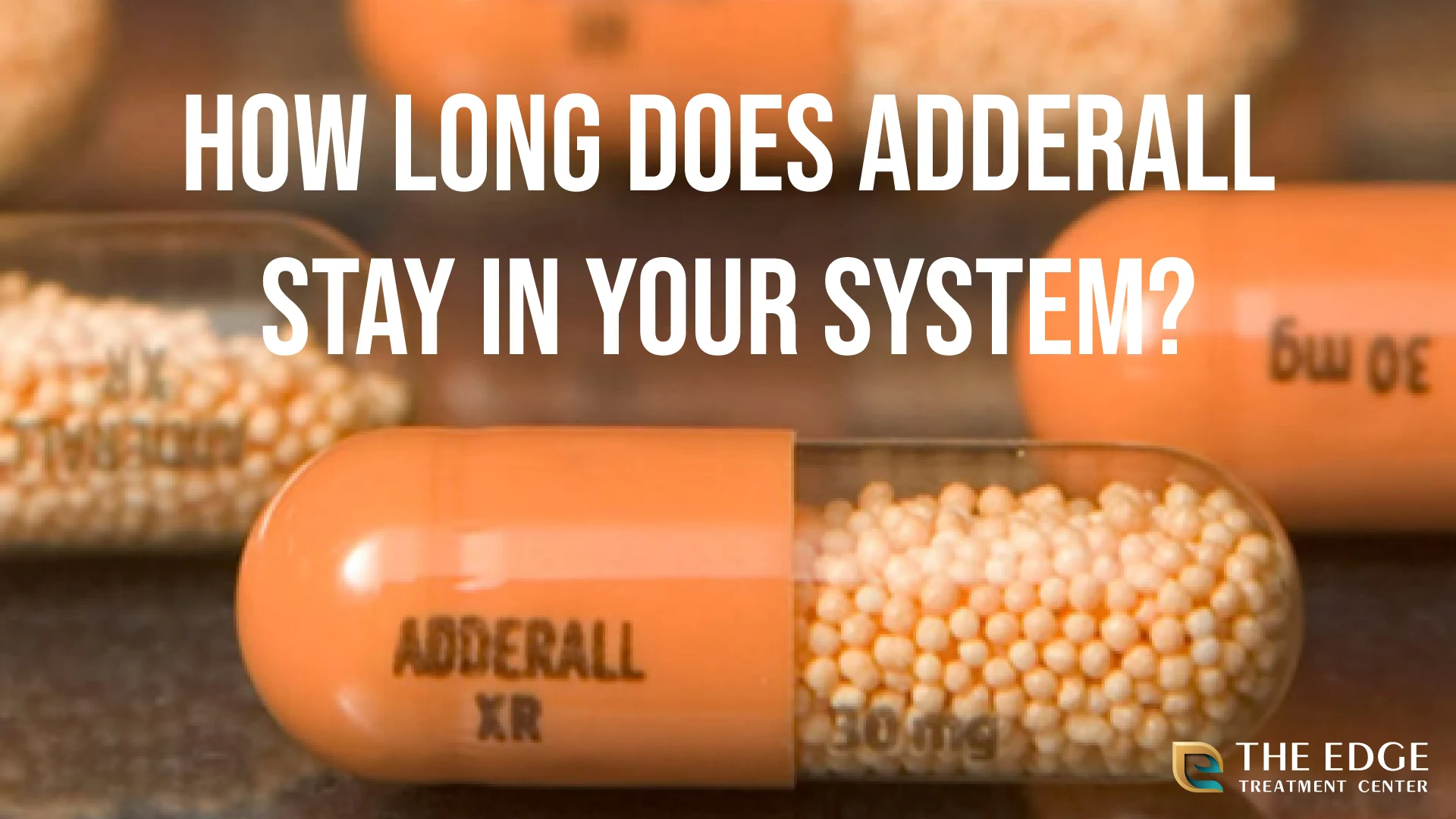
How quickly does Adderall leave your body?
Adderall is absorbed through the digestive tract, metabolized by the liver, and eliminated primarily in the urine.
Although urine is the main route of elimination, Adderall circulates throughout the body, so various tests can detect it as described next.
Blood
Adderall can be found in blood tests for up to about 46 hours after the last dose. Blood testing is most useful shortly after ingestion.
Urine
Urine tests can detect Adderall for around 72 to 96 hours after the last use. Because the drug is excreted in urine, concentrations tend to be higher in this type of test than in others.
Saliva
Adderall may be detectable in saliva for approximately 20 to 50 hours after use.
Hair
Hair testing is less commonly used but can reveal Adderall use for up to about 3 months following consumption.
Summary
- Blood: detectable up to 46 hours after use
- Urine: detectable for 72 to 96 hours after use
- Saliva: detectable for 20 to 50 hours after use
- Hair: may be detected up to 3 months after use
What influences how long it remains in your system?
Individuals differ in how quickly they metabolize — break down and clear — Adderall. Multiple factors can influence how long the drug stays detectable in the body.
Body composition
Your body makeup — including overall weight, percentage of body fat, and height — can change how long Adderall persists. Larger people often require larger doses, which can extend the time needed for the medication to be eliminated.
Still, some research suggests that, after adjusting dose for body weight, drugs metabolized by certain liver pathways may actually clear faster in individuals with greater weight or body fat.
Metabolism
Liver enzymes that process medications vary between people and are influenced by factors such as physical activity, biological sex, and other drugs you may be taking.
A faster metabolism generally means the drug will be processed and cleared more quickly.
Dosage
Adderall is sold in strengths from 5 mg to 30 mg in tablet or capsule form. Higher doses typically take longer for the body to metabolize, so larger doses tend to remain detectable for a longer period.
The drug is available in immediate- and extended-release formulations, which release active ingredients at different rates and can affect how long Adderall stays in the system.
How long does 10 mg Adderall stay in your system?
An immediate-release Adderall dose generally lasts about 4 to 6 hours. Extended-release formulations are usually taken in the morning and provide effects that persist throughout the day.
In general, lower doses may be eliminated faster than higher ones.
Age
Medications often take longer to clear as people age, for several reasons:
- The liver tends to shrink with age, potentially slowing drug metabolism.
- Urine production and kidney function can decline, sometimes due to age-related conditions like heart disease, which can prolong elimination.
- Changes in body composition with aging can alter how quickly medications are broken down and excreted.
Organ function
Because Adderall is absorbed via the gut, metabolized by the liver, and excreted by the kidneys, impaired function of any of these organs can delay clearance of the medication.
How does Adderall act in the brain?
Although it may seem paradoxical, Adderall improves focus by stimulating the central nervous system.
It’s thought that individuals with ADHD have reduced dopamine activity in the frontal lobe, the brain region tied to reward and motivation. This deficiency can make them seek stimulation and pleasure, contributing to distractibility and impulsive choices.
Adderall increases the amount of dopamine available in the frontal lobe by stimulating the central nervous system, which helps people with ADHD reduce their need to seek stimulation and improve their ability to focus.
Treatment for ADHD commonly includes medication plus behavioral therapy, education and organizational supports, and lifestyle strategies.
Does Adderall accumulate in the body?
Using Adderall at high doses over a long period can lead to tolerance. If you’re on Adderall for ADHD, you may notice the medication seems less effective over time and your doctor might adjust the dose.
However, developing tolerance can also indicate a substance use disorder, especially among people who take Adderall recreationally.
Side effects
Excessive Adderall intake can cause both mild and severe side effects, such as:
| Mild side effects | Serious side effects |
|---|---|
| headache | rapid, irregular, or pounding heartbeat |
| dry mouth | hyperventilation |
| loss of appetite | difficulty breathing |
| stomach upset | numbness in limbs |
| insomnia | seizures |
| restlessness | aggressive behavior |
| dizziness | mania |
| changes in libido | paranoia |
| anxiety or panic attacks | |
| frequent urination |
Prolonged or excessive use can also cause physical dependence. When someone stops taking Adderall after heavy use, they may experience withdrawal. In addition to cravings, withdrawal symptoms can include:
- extreme tiredness
- irritability
- depressed mood
- sleep disturbances, such as insomnia or hypersomnia, sometimes with vivid dreams
- increased appetite
- slowed movements
- reduced heart rate
These withdrawal effects can persist for about 2 to 3 weeks.
Misuse of Adderall
Amphetamines, including Adderall, are prone to misuse. Some people without prescriptions take Adderall to try to sharpen focus or to stay awake for long stretches.
Estimates suggest up to 20% of college students misuse stimulant medications like Adderall.
A review found that around 17% of college students reported misusing stimulants, including Adderall.
When used as prescribed, Adderall can be beneficial. But for people without ADHD who take it without medical oversight, the drug can produce harmful effects.
Even with a prescription, misuse can occur if someone takes larger doses than prescribed or uses the medication in an unintended manner.
What will Adderall show up as on drug tests?
Adderall is a prescription stimulant that contains a mix of amphetamine and dextroamphetamine. On some drug screens, these components can produce positive results for certain illicit substances, including:
- methamphetamine (meth)
- MDMA (ecstasy)
In certain situations, taking Adderall may cause a false positive on a drug test. That said, it doesn’t always trigger a positive result for these other substances.
The bottom line
How long Adderall remains detectable depends on factors such as dose, metabolic rate, age, and organ function. If you have questions or concerns about Adderall, discuss them with your doctor or pharmacist.






















Leave a Reply
You must be logged in to post a comment.